
When I first started learning about GLP-1 receptor agonists and how they help with weight management and diabetes, I was struck by how quickly these medicines became popular. Many people, maybe even people close to you, now use injectable GLP-1s—not just for diabetes but as a tool for significant weight loss. With this wave of interest has come a surge in questions. Most are about safety and, of course, side effects.
GLP-1 medications do work—but they also come with a set of possible unpleasant effects. If you are thinking about using these treatments, or have just begun your journey, it’s only natural to wonder: What are the risks? What kind of symptoms might pop up—both right away and in the long run? And perhaps just as urgent: What can you actually do about them if they show up? I’ll walk through all of these. I’ll talk simply, sharing what I’ve learned from both research and the real stories of those who use these therapies every day, sometimes using Mingo to track their ups and downs, spot patterns, and regain control.
Understanding GLP-1 medications and their effects
Before diving deep, I think it helps to pause for clarity. GLP-1 receptor agonists are a type of medication that mimics the effects of a natural hormone in your body called glucagon-like peptide-1. This hormone helps regulate blood sugar, makes you feel less hungry, and slows your stomach’s emptying. Drugs like semaglutide, liraglutide, dulaglutide, and tirzepatide belong to this group, and each can be prescribed either for diabetes or for weight loss (sometimes both). The science is solid—they make it much easier for many people to lose unwanted weight, often with a marked decrease in appetite.
But every medicine acts differently on each body, and new symptoms can show up where you least expect them. My own experience and the research show a surprisingly wide range of possible reactions, from very minor to a handful that are worth keeping a close eye on.
The most common GLP-1 side effects—what shows up first?
I have seen that most people start noticing changes within the first week or two of treatment. In fact, that is when most side effects, especially the gastrointestinal ones, will hit their peak. Studies repeatedly document that:
- Nausea is the most frequent complaint, with roughly 50% of adults reporting it in some form;
- Diarrhea affects about one third of users;
- Vomiting, constipation, bloating, and abdominal pain pop up regularly as well.
This is well documented in studies from the National Institutes of Health and reflected in the global guidelines. Thankfully, most of these symptoms are mild and are not dangerous. But they can be disorienting when you’re new to the journey.

Gastrointestinal reactions are the hallmark of these therapies. This means your stomach and intestines are the first and most common locations affected. Typically, you’ll sense:
- General stomach unease or mild pain;
- Feeling full quickly or lacking appetite altogether;
- Changes in bowel habits (either constipation or diarrhea);
- Occasional burping, bloating, or excessive gas.
I know that sounds like a lot, but not every user gets all symptoms. For many, symptoms fade as the body gets used to the medication—often after a few weeks.
Why do GLP-1 medicines cause these symptoms?
It’s a fair question—why should a medicine that helps you lose weight or manage diabetes disturb your stomach? The answer is rooted in how GLP-1 works. By mimicking your natural GLP-1 hormone, the drug makes your stomach empty more slowly, telling your brain you’re full longer and helping avoid overeating. That delay in gastric emptying is what can cause you to feel queasy, overly full, or gassy. It is also why some people end up with constipation or diarrhea.
According to research compiled in the most recent guideline recommendations, these symptoms are most noticeably present in the first weeks and tend to decline over time. In some individuals, the effect can linger or return, especially when the dosage is increased or a dose is missed and restarted at a higher level. I can’t stress enough: this doesn’t mean you must endure all symptoms forever. Most symptoms get better with time, tweaking the dose, or simple household solutions.
When nausea is near constant, it can help to review general strategies recommended by clinicians and those I’ve seen work firsthand:
- Eat very slowly;
- Stick to small, frequent meals rather than large ones;
- Prioritize protein (like eggs or lean chicken) since it is more likely to keep you feeling satisfied without spiking discomfort;
- Stay well hydrated—sipping water or electrolyte drinks often, but avoiding very cold or very hot beverages;
- Avoid greasy or spicy foods, which can exacerbate nausea.
Diarrhea and constipation—two sides of the same coin
I find it fascinating that GLP-1s can cause both diarrhea and constipation, sometimes back to back in the same person. Diarrhea usually emerges in the first month and then often resolves. Constipation, on the other hand, might develop a few weeks in—especially if your food volume is a lot lower than before.

To ease these changes, I usually point out these simple tricks from research and shared patient experiences:
- Add fiber gradually if you are getting constipated (chia seeds, berries, or whole grains);
- Drink plenty of water throughout the day—fiber only works if you have enough fluid;
- Move your body daily, even just a little. Physical activity not only helps weight loss, but also digestion;
- If you get loose stools, stick to bland, easy-to-digest foods (bananas, rice, applesauce, toast) and avoid excess caffeine or dairy for a bit.
Many of these tips are echoed in broader discussions on common medication side effects, as found in resources such as the overview at Mingo’s guide to common medication side effects.
Other symptoms: Less common, but worth knowing
Let’s move past the stomach. What else should you watch for?
- Headache: Some people mention a mild headache when starting or increasing their dose. It tends to resolve quickly.
- Dizziness or fatigue: Because you may be eating less or losing weight quickly, energy dips can happen, especially if you’re not eating balanced meals.
- Minor upper respiratory symptoms: Like a sore throat or mild congestion, possibly due to immune system shifts, but these are rare.
Injection site reactions
I often get asked about local reactions, since GLP-1s are typically given through a subcutaneous injection. These might look like a small, red or itchy patch where you gave your shot. A cross-sectional study from the NIH found that administration-related reactions were relatively common, though most are mild and do not interfere with continued treatment.

If this happens to you, usually you can rotate your injection site each time, keep the skin clean, and avoid rubbing immediately after injecting. Symptoms such as significant pain, swelling, or pus are very rare and should prompt a call to your healthcare provider.
Cosmetic effects: Rapid weight loss and ‘Ozempic face’
You might have heard people talk about the so-called “Ozempic face”: a term coined for the change in facial structure seen in some people after fast, dramatic weight loss with these medications. The cheeks may look more sunken, with looser skin or more pronounced lines. While this is not a medical danger, it can be distressing if you’re not expecting it.
Losing weight changes the face first—and sometimes fastest.
This is not unique to GLP-1 therapy—it’s a universal result of shedding pounds quickly. Fat loss, especially in the cheeks and jawline, happens before other areas and can make people look older or tired.
In my experience, for those concerned with this cosmetic transformation, these strategies can help:
- Focus on slower, more gradual weight loss whenever possible—even with medication;
- Prioritize hydration—a plump, well-hydrated face shows fewer lines;
- Ensure enough protein and healthy fats in your diet to support skin structure;
- Consider gentle resistance training to maintain underlying muscle, which helps support the skin from beneath;
- Moisturizers and, in some cases, skin tightening treatments under a dermatologist’s guidance may provide a little improvement as well.

While this effect is largely a matter of appearance, not a medical emergency, I believe in acknowledging that it can be emotionally significant for some users. I suggest including mood and self-image among the factors you track on your journey—tools like Mingo make that easy by letting you record not only your meals and doses, but also your feelings and self-confidence over time. Sometimes, just seeing progress laid out, including positive changes in health and fitness, helps put these cosmetic shifts in perspective.
Rare or serious risks—when to see a doctor fast
Most side effects are mild and transitory. But, as with any medication, it’s smart to know which symptoms should prompt a call to your healthcare professional right away. Some issues are rare but potentially serious. These include:
- Severe vomiting or diarrhea, which can lead to dehydration (especially if you can’t keep fluids down);
- Severe or persistent abdominal pain, especially if accompanied by vomiting or fever—it could be a sign of pancreatitis;
- Unexplained vision changes (recent studies reference a very rare risk of a kind of optic nerve issue, though the risk is low and under continued investigation);
- Yellowing of the skin or eyes (sign of liver issues);
- Difficulty breathing or severe allergic reactions (like swelling of the lips, tongue, or throat);
- A lump in the neck, hoarseness, or other signs of possible thyroid concern.
If any of these happen, pause your medication and contact your provider right away. The odds of experiencing these complications are low, but being informed—and acting quickly—is your best protection.
Managing and tracking side effects—practical approaches that work
Here’s where I think the right tools really shine. The most effective strategy is to track your symptoms, hydration, food intake, and mood from the start. A detailed record, which you can do digitally with Mingo or on paper, helps spot patterns. Was nausea bad after a certain food? Does diarrhea show up after missing a meal? Did a new side effect appear when the dose increased?
I also encourage these best practices when starting or adjusting GLP-1s:
- Work with your healthcare provider to start at the lowest possible dose, then go up very slowly. Gradual titration is proven to result in fewer symptoms and less severe reactions;
- Take your shot at the same day and time every week to keep things consistent;
- Review your food and liquid choices with a professional when possible. Adequate protein, fiber, and hydration are central;
- Consider logging your injections, symptoms, and diet for at least the first three months. Mingo, for instance, simplifies this by allowing voice or photo input, which takes the pain out of tedious data entry;
- Tell your clinician quickly about anything unexpected—especially symptoms that are new, severe, or persistent.
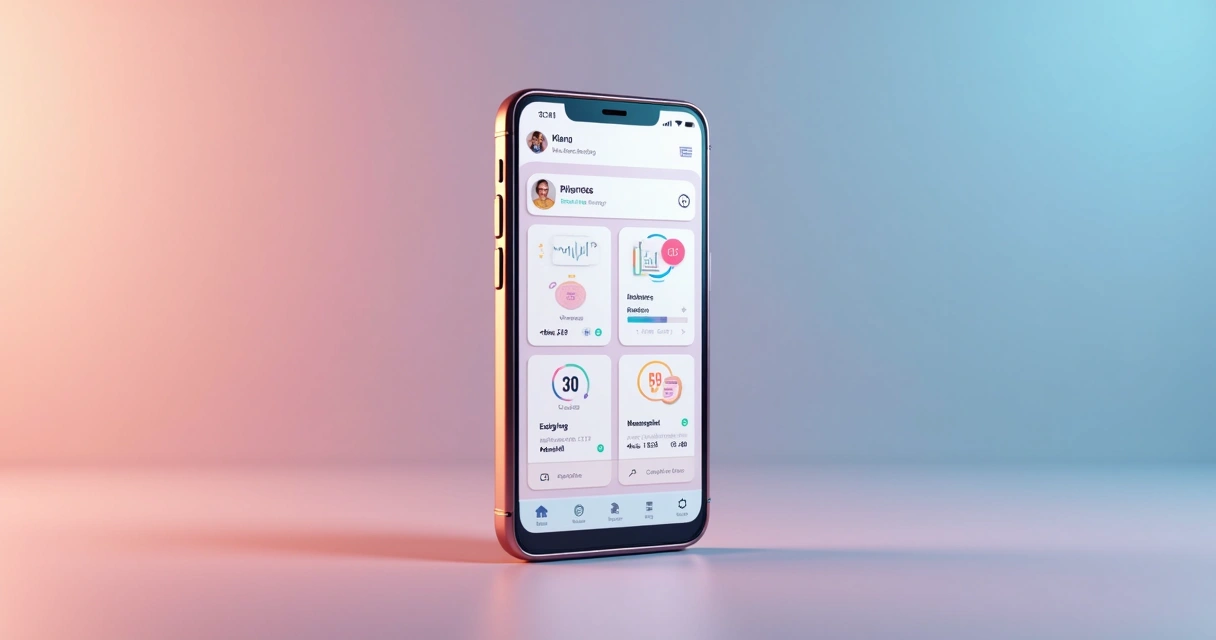
Having a record not only helps your provider help you—it also gives you visible proof: these symptoms aren’t forever, and many will vanish as your body adjusts or once the medication is paused.
The bigger picture: Healthy habits matter, every single day
Medical guidelines and my own experience highlight a simple truth: GLP-1 medicines alone can’t provide lasting health and weight results if they are not paired with everyday healthy habits. Physical activity, balanced meals, and hydration aren’t just nice extras—they can dramatically reduce the likelihood and severity of side effects. They also are your best ally in keeping the weight off for good, for those prescribed these medicines for weight loss.
I especially liked the summary in the latest guidelines suggesting that counseling on nutrition and lifestyle changes should go hand in hand with prescription of GLP-1 agonists or their dual agonist relatives. This is a foundation, and in my view, a minimum standard of care.
To learn more specifically about how diet and these new treatments work together, I suggest reading this discussion on the many benefits and uses of GLP-1 treatments. It’s a helpful summary, even for those who are focused primarily on the side effects side of the story.

Adjusting for the long term: What if symptoms keep coming back?
Some users worry about long-term safety and the pattern of symptoms. Here’s what I see in the medical literature:
- In most people, symptoms taper off after a few weeks or months;
- A small percentage do have persistent issues, especially if the dose is increased too quickly or other medical conditions exist;
- About 12% of patients might interrupt their treatment at some point, and 1.6% to 6% decide to stop for good due to intolerable symptoms according to a major review.
GLP-1 receptor agonists have a safe track record, especially for short and medium durations, but limited data is available for very long-term (years and years) use. Guidelines and ongoing studies indicate that, so far, they remain a good option for many, with continuous monitoring and open communication with your doctor.
Anyone looking for more detail about comparing GLP-1 treatments and the pros, cons, or risks versus traditional diabetes care can find a balanced review in the Mingo comparison of GLP-1 and other diabetes management strategies.
Taking charge of your health: Communication and collaboration
I have seen—and believe—that the biggest difference between a smooth journey and a tough one often comes down to communication. Honest, regular collaboration with your healthcare provider stops most worries before they grow. If you’re using an app like Mingo, sharing your trend data at each visit can make appointments more productive for everyone.
For many people, embracing new treatments is less daunting when every question or concern is tracked and addressed. I believe that prioritizing empowerment and self-monitoring changes not just your results, but your entire experience.
Conclusion: Facing GLP-1 side effects with confidence and support
Side effects are a part of almost every medical journey, and GLP-1 medicines—while incredibly effective for many—do come with their own set of possible hurdles. Most, in my experience and the research, are mild, short-lived, and respond well to simple management strategies. A few are serious, but rare; knowing what to look for, and acting quickly, is key.
Pair your medication with strong daily habits, track your experience deeply, and keep your support system in close reach. If you are embarking on this journey, remember that using tools like Mingo to track your path, and keeping close contact with your care team, can make all the difference—not just in minimizing side effects, but in maximizing long-term success.
I encourage you: Take the next step in your health journey by downloading Mingo. Not only will you track your progress and patterns, you’ll join a community using the latest evidence-based strategies to make your path easier and more effective, every day.
Frequently asked questions
What are common GLP-1 side effects?
The most frequent reactions I have seen with GLP-1 medications include nausea, vomiting, diarrhea, constipation, reduced appetite, and stomach discomfort. There can also be mild headaches, dizziness, or local reactions at the injection site. Most symptoms are short-lived and tend to improve within a few weeks as your body adjusts to treatment. For a more in-depth look at typical medication reactions, the National Institutes of Health data and articles like Mingo’s guide to side effects are helpful resources.
How to reduce nausea from GLP-1?
The approaches I recommend and have seen work well are: eating slowly, keeping meals small and frequent, staying hydrated, avoiding overly greasy or spicy foods, and allowing your medication dose to increase very gradually (a process known as titration). Many find that prioritizing high-protein, easily digested foods—like eggs, yogurt, or plain chicken—can help greatly with queasiness. If nausea persists or is severe, speak to your provider.
Is GLP-1 safe for long-term use?
Most research supports the safety of GLP-1 agonists for periods of six months to two years, with continued monitoring. Rare but serious side effects are possible, so regular check-ups are needed. There is still limited evidence regarding very long-term (many years) use for weight management, but the consensus is that these are safe and effective for many people—assuming good medical oversight and proper use.
When do GLP-1 side effects go away?
For most, the worst of the stomach-related symptoms like nausea, vomiting, or diarrhea will fade after a few weeks, especially if you start at a low dose and increase slowly. Persistent symptoms may require dosage adjustment or a medication review by your provider. If you experience severe or lasting symptoms, get a professional opinion as soon as possible.
Can I prevent stomach issues on GLP-1?
Prevention is about preparation—slow dose increases (gradual titration), eating smaller meals, choosing gentle foods, keeping hydrated, and logging symptoms all make a real difference. Most importantly, stay connected to your provider, and if you have advance notice of sensitive stomach or digestive history, talk about it before you begin. Prevention strategies work best when individually tailored—track your body’s response for the smoothest results.