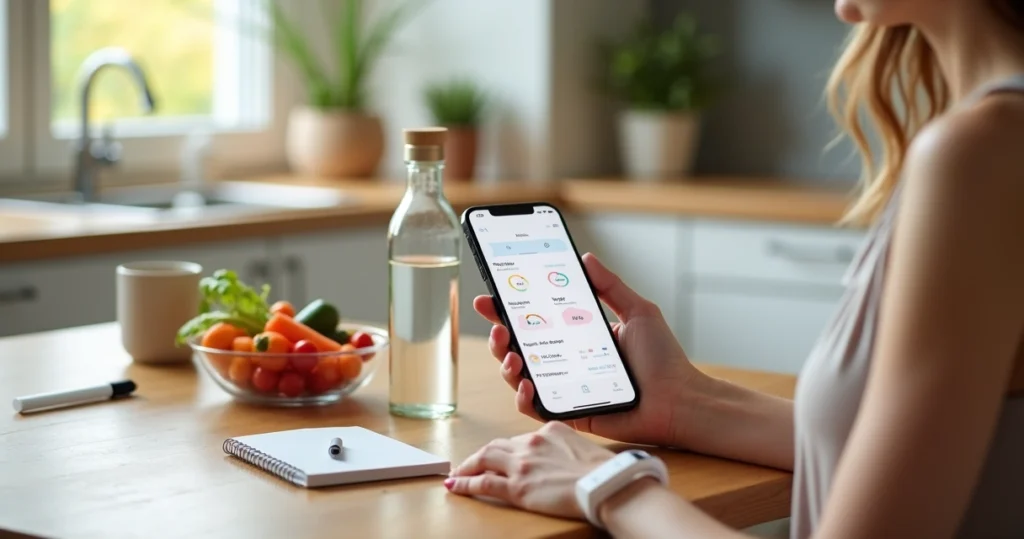
As someone who has spent years studying obesity and the latest scientific advances, I have seen firsthand the deep frustration that can come with trying to lose weight in a world full of obstacles. The arrival of GLP-1 medications—like Ozempic, Wegovy, Mounjaro, and Saxenda—marked a turning point for many. Suddenly, there was hope not just for short-term drops on the scale, but for sustainable, health-changing loss. Still, these injections are no magic solution. The true transformation comes when you know how to track, manage, and get the most from your journey. That’s where my experience, careful research, and practical tools like Mingo come in.
Stay organized. Stay motivated. Stay private.
In this article, I’ll walk step by step through the science behind GLP-1-based weight reduction, why consistent tracking is so powerful, how digital tools can simplify every day, and the real-world challenges to expect. I’ll connect all this to the ways Mingo can make this journey easier and more private, always respecting your data. Along the way, I’ll answer common questions and give examples grounded in research, not hype. Here’s what I’ve seen, learned, and wish more people knew about weight loss fueled by GLP-1 medications.
What are GLP-1 medications and how do they work?
I often get asked: what exactly is a GLP-1 medication? The answer starts in the gut. GLP-1 stands for glucagon-like peptide-1, a hormone our bodies release after eating. It tells the pancreas to release insulin, helps slow down how quickly the stomach empties, and makes us feel full faster.
Medications that mimic or enhance GLP-1, such as semaglutide (brand names include Ozempic and Wegovy), liraglutide (Saxenda, Victoza), and dual agonists like tirzepatide (Mounjaro), were first developed to treat diabetes. But researchers quickly saw that people given these drugs not only controlled blood sugar better—they also lost a meaningful amount of weight.
GLP-1 drugs don’t just help your body use insulin better; they help most people eat less by increasing satiety and reducing cravings. This makes them a uniquely effective tool for people struggling with obesity, regardless of whether diabetes is present.
- Ozempic and Wegovy: Both use semaglutide, but Wegovy is designed for weight loss, with dosing and labeling to match.
- Mounjaro: A dual action injectable (tirzepatide) that targets GLP-1 and GIP, another hormone impacting hunger.
- Saxenda and Victoza: Contain liraglutide, with Saxenda specifically approved for weight management.
When used alongside healthy dietary habits, physical activity, and medical supervision, these medications are shown to support substantial, sustained weight loss for many adults suffering from obesity.
For context, one large study showed that GLP-1 receptor agonists produced an average weight loss of 4–5 kg, a BMI reduction of around 2 units, and a decrease in waist size by 4–5 cm compared to placebo. In those without diabetes but with overweight or obesity, the effect was even greater—average weight reductions of over 5 kg. You can see these results reflected in major reviews and analyses published in the last year (systematic review and meta‑analysis of 47 randomized controlled trials, systematic review and meta‑analysis of 41 trials).
Why is tracking so vital for weight loss with GLP-1 medications?
From my research and practical experience, the people who see the best long-term outcomes with GLP-1 medication are those who consistently track their habits and health markers. Tracking doesn’t mean obsessing, but it means being aware—enough to notice patterns, respond to problems early, and stay motivated by real progress.
Key things I recommend tracking:
- Injection applications: date, time, and dose
- Meals and snacks: ideally recorded in real-time, with an eye on protein and fiber
- Hydration: water and other drinks, aiming for consistency
- Physical activities: steps, workouts, even household tasks
- Mood and side effects: to recognize triggers and celebrate victories
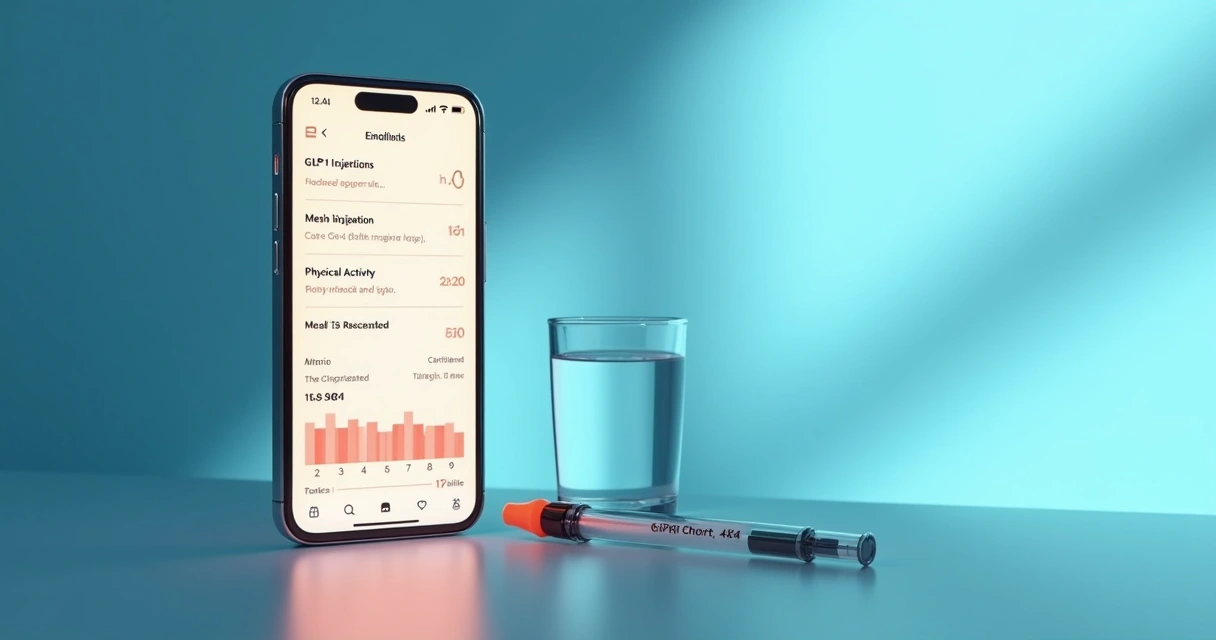
Apps like Mingo make all this easier, letting you log everything with your voice or just a tap, and even connecting with Apple Health so you aren’t starting from scratch. One thing I love about Mingo is the focus on privacy—your data is stored on your device, not sent to servers or shared with others, which is rare these days.
Awareness is the real key to change.
The act of simply writing things down or recording them in an app makes you more mindful. If you notice your water intake drops on stressful days, or you tend to skip injections after a busy weekend, you can spot early warning signs and build stronger routines.
Benefits of tracking applications and routines with tools like Mingo
A big part of my approach is to help people make tracking effortless. That means:
- Automating reminders for injections—critical for long-acting medications.
- Logging side effects as they come up, finding patterns to discuss with your healthcare provider.
- Capturing meals with your voice or a quick photo, so nothing gets forgotten.
- Linking up with Apple Health for a full, objective view of your physical activity and trends over time.
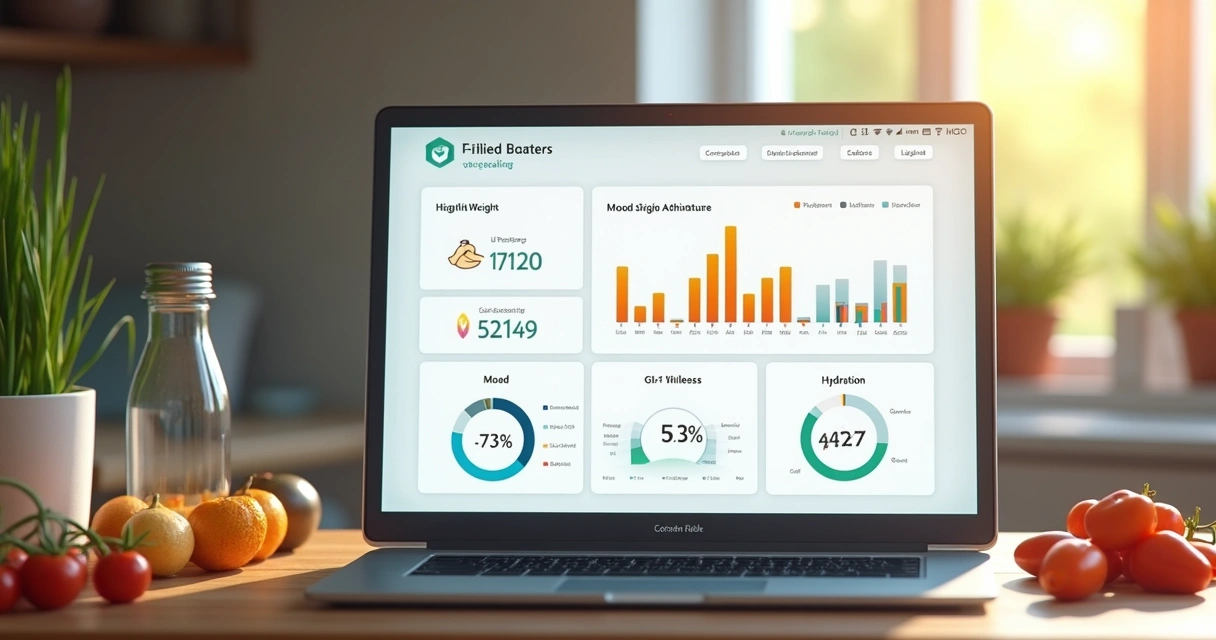
What I see again and again, in clinics and in feedback from users of Mingo, is that consistent tracking reduces confusion, keeps people engaged, and makes every step of the weight loss process less mysterious. When you have all your important data in one place, it’s easier to share it during medical appointments, spot small wins, and get back on track if you stumble.
Comparison of leading GLP-1 medications: what does the research say?
While the GLP-1 class shares a mechanism—boosting satiety, delaying stomach emptying, and controlling appetite—each major drug comes with its own nuances.
Semaglutide (Ozempic, Wegovy)
- High efficacy for weight reduction in clinical trials.
- Moderate to high certainty evidence of benefit over placebo for weight loss.
- May result in greater average weight lost compared to liraglutide.
- Dosed weekly, with gradual increases to a target dose.
Liraglutide (Saxenda, Victoza)
- Approved for both type 2 diabetes and weight management.
- Daily injection, increasing over a month to the full dose for obesity treatment.
- Moderate evidence for sustained weight loss but tends to have a slightly lower average reduction than semaglutide.
Tirzepatide (Mounjaro)
- Dual action on GLP-1 and GIP receptors.
- Promising in head-to-head trials for both diabetes management and weight loss.
- Low to moderate certainty of evidence—but often higher results than GLP-1 only agents.
For an in-depth breakdown of these medications and their unique effects, I recommend reviewing the benefits of GLP-1 for weight loss as highlighted in Mingo’s resources.
Find the right tool for your needs and your story.
Which option works best often comes down to access, cost, and your life circumstances. For some, once-weekly dosing feels easier to stick with than daily. For others, past experience or insurance coverage points them toward a longer-available drug. In my opinion, the most relevant question is: what can you maintain in the long run?
Typical side effects and how to manage them
As much as the benefits are real, so are the side effects. Most people using these medications experience mild to moderate digestive symptoms at some point, especially as they ramp up the dose.
- Nausea
- Vomiting
- Constipation
- Diarrhea
Almost 50% of people report at least one of these symptoms, but for most, they are manageable and fade with time or dosage adjustments.

- Eat smaller, slower meals—large meals can trigger worse symptoms.
- Prioritize hydration and include fiber, as constipation is common.
- Avoid new foods or very fatty meals in the first weeks.
- If side effects are severe or prolonged, consult your prescriber—sometimes a break or dose adjustment is needed.
Some people experience less common effects, like delayed stomach emptying or very rare concerns that are still under study. While questions remain about the long-term effects—as with any new treatment—the evidence is encouraging, and monitoring remains central. I’ve written about recognizing and managing these side effects in depth in my complete guide to side effect management.
Real success is about managing both the wins and the hurdles.
How digital tools simplify tracking, routines, and healthy habits
Technology is part of my everyday workflow, and I’ve seen it transform the lives of those working to lose weight. With the fast pace of daily life, relying on memory alone for medication times, protein grams, fiber targets, and more is a recipe for stress and error. That’s why digital solutions like Mingo are, in my opinion, so valuable in the real world.
Here’s what sets them apart:
- Simplicity: Log a meal with a sentence, a voice note, or a photo. No calorie databases to slog through.
- Reminders: Set personalized injection alerts. Never worry about a missed dose again.
- Sync with Apple Health: Let step counts and activity minutes flow in automatically.
- Privacy first: Mingo keeps your information on your device, not in the cloud, ensuring confidence and safety.
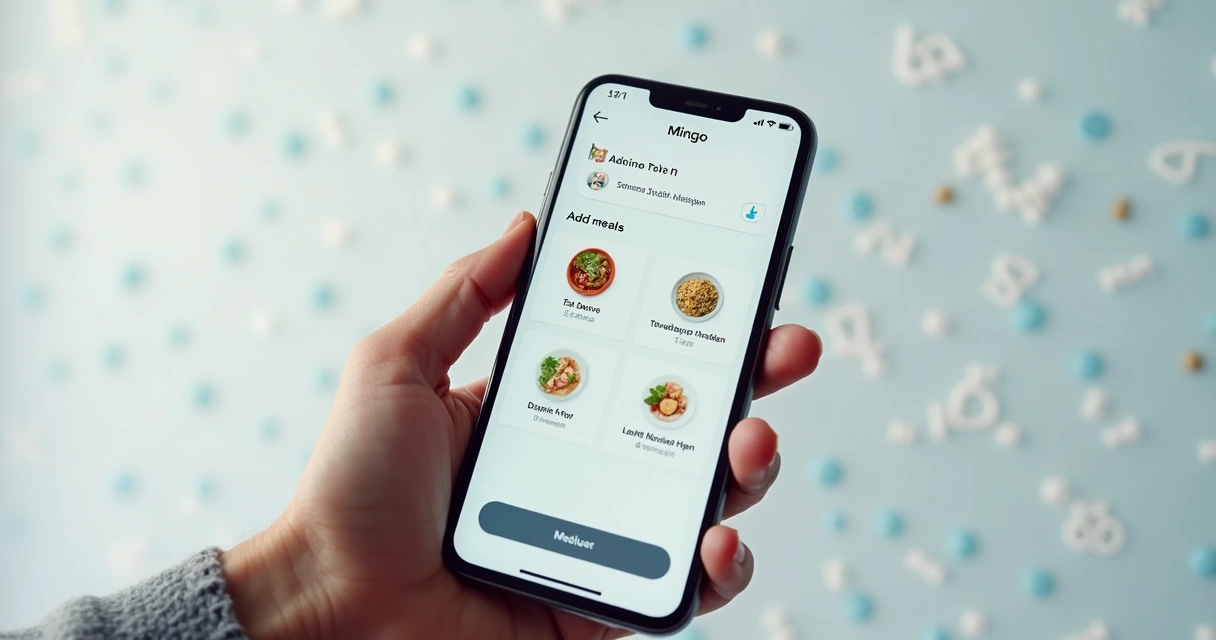
When users tell me about their journeys, the consistent feedback is how much less confusing the process feels with an app like this. No more sticky notes or Excel files. And because it’s always with you, you’re more likely to note small details—like feeling more tired after a busy day or drinking less water—while they still matter.
Effective strategies for maximizing benefits: beyond the medication
I can’t emphasize this enough: GLP-1 medications are a tool, not a cure-all. Some people see dramatic losses early, but the long-term outcome is about what you build around the medication. Here’s where tracking becomes your superpower.
- Work with a health professional for medical guidance and to support habit change.
- Set realistic, sustainable goals for both weight and overall well-being.
- Use digital tracking to monitor not just weight, but protein/fiber intake, hydration, and mood.
- Add structured routines: regular meal times, sleep schedules, stress management.
- Prioritize physical activity you enjoy—walking, biking, gardening can all count.
Recent studies and summary guidelines echo what I see in real life: pairing GLP-1 therapy with cognitive or behavioral counseling helps maintain results, especially as medications are adjusted or discontinued. The World Health Organization supports integrating professional support and digital tools for best outcomes, too.

For more practical advice on uniting medication, eating, activity, and routines, my favorite summary is the guide to maximizing GLP-1 results provided by the Mingo team.
Change lasts longer when anchored by small, daily actions you can track and adjust.
Understanding weight regain, plateaus, and long-term maintenance
If you’ve tried to lose weight before, you know there are no guarantees against plateaus or regaining pounds. It’s no different with GLP-1 medications. The most successful long-term users—those who keep the weight off for years—are the ones who use tracking not just for loss, but for maintenance.
Why does regain happen? There are several reasons, including:
- Stopping medication without adopting new habits.
- Body adaptations that fight to restore lost weight (hormonal changes, increased appetite).
- Life changes—stress, illness, new job, family events.
I’ve seen many clients worry after a few months of plateau. My advice is simple:
Plateau isn’t failure—it’s a normal part of long-term change.
- Focus on what you can control (meals, movement, hydration, sleep).
- Recognize small wins—body measurements, energy, clothes fitting differently, or improved labs.
- Update your logs and notice patterns. Each time you track, you set a foundation for pushing past setbacks—sometimes all you need is a small shift.

When withdrawal of GLP-1 therapy is necessary, the current science suggests a risk of weight regain unless new routines are well established. That’s why I stress: keep tracking meals, activity, hydration, and mood no matter what. Maintenance isn’t about perfection—it’s about never losing sight of what matters.
Privacy, ownership, and confidence: reassessing your data journey
Trust is fragile in our digital age. Many people are wary—rightfully so—of apps or programs that might sell their health data. With GLP-1 medications, your logs could reveal details about your health status, routines, mental wellness, or even emotional struggles.
It’s essential to keep control and privacy when you track sensitive health and lifestyle information.
That’s one of the reasons I have confidence recommending Mingo. By design, your data stays only on your phone. It is never sent to third-party servers, ensuring only you can view, export, or share it on your terms—not someone else’s. This has become an expectation I think everybody should have from their healthcare technology.
Daily tips: building habits with self-management apps
No matter the sophistication of your tools or medications, results come from day-by-day small wins. If you’re new to using self-management apps, I recommend:
- Start simple: just track your injection schedule and water intake for the first week.
- Add meal logging—one food or snack at a time. Use voice input for meals if you’re in a hurry.
- Set reminders for movement, mood check-ins, or medication times.
- Review your daily log at night. Notice trends, not just slips.
- Import data from smartwatches or connected devices if you have them, for a full view.
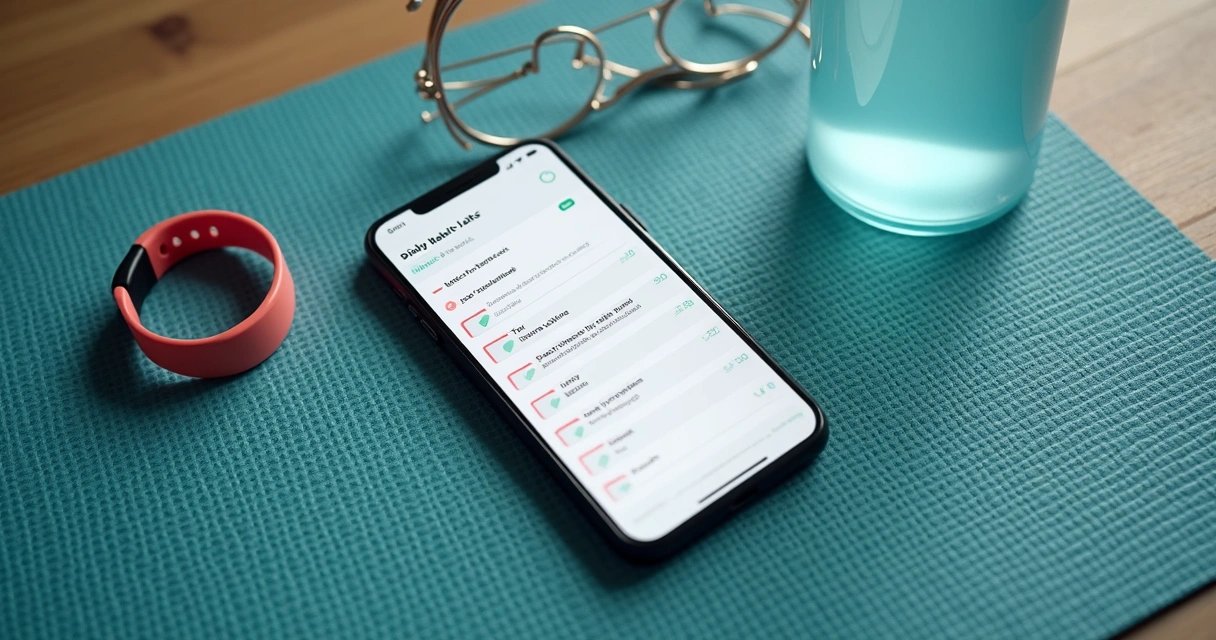 Mastery isn’t about perfection—it’s about always paying attention and always coming back.
Every routine you build, every log you keep, and every win (no matter the size) is a building block for lasting change. I’ve watched many feel empowered just by regaining this sense of control.
Who is using GLP-1 medications, and what does real-world data show?
For those who like numbers, the rise in real-world use is remarkable. A 2024 U.S. government report showed that about 26.5% of adults with a diabetes diagnosis have used injectable GLP-1 drugs for blood-sugar control or to lose weight. Prevalence is even higher among middle-aged adults and those with higher BMI (CDC report, 2024).
It’s not just about statistics—real people are seeing results validated in global studies: average weight loss of over 5 kg, marked reductions in BMI and waist circumference (systematic review, meta-analysis). But perhaps more important than numbers is quality of life—more energy, confidence, and the ability to do things you love.
Combining tracking, professional support, and healthy behaviors: making it stick
What I’ve learned, and what’s now echoed by their presence in official guidelines, is that medications alone can help—but lasting success with GLP-1 therapy relies on tracking, support from professionals, and the small, daily choices you make. This is where the Mingo project truly shines: it empowers you to do all of this at your pace, with your own priorities and data protected.
I see the biggest leaps forward when people use digital logs not just for accountability, but as a springboard. They try new routines, spot setbacks sooner, and celebrate all the changes—not just the number on the scale.
The journey is personal, but no one has to do it alone, and the right tools bring confidence and clarity to every step.
Looking for more detail on how to successfully monitor your weight loss? The Mingo Blog’s resource on tracking your progress is a practical summary you can return to often.
Conclusion: Ready for your own story of change?
If you’ve reached this point, you know that GLP-1 medications aren’t a shortcut—they’re a real opportunity made stronger by thoughtful, consistent tracking, sound daily habits, and privacy-first technology. In my experience, the right approach is about building self-knowledge and confidence, so setbacks don’t become roadblocks.
Mingo was developed for people just like you—seeking a simple, private, and empowering way to track everything that matters on this journey. The difference between stuck and unstoppable is often a single habit, logged and understood. Try Mingo for free and start building your personalized weight loss plan—on your terms, at your pace, with no pressure and no risk.
Frequently asked questions
What is GLP-1 weight loss therapy?
GLP-1 weight loss therapy involves using medications that mimic the effects of the hormone glucagon-like peptide-1 to promote satiety, slow stomach emptying, support insulin release, and reduce appetite. These medications—like semaglutide (Ozempic, Wegovy), liraglutide (Saxenda, Victoza), and tirzepatide (Mounjaro)—were originally meant to treat diabetes but also help many people lose weight. When paired with supportive lifestyle changes and professional care, they offer a proven way to address obesity for the long term. The science and international guidelines support GLP-1 therapy for adults struggling with obesity, emphasizing not just short-term, but sustained improvements in health.
How do I track my weight loss progress?
To track your progress effectively, I always recommend logging more than just weight. Track injection times and doses, meals (noting protein and fiber), daily water intake, exercise, and mood. Use a self-management app like Mingo that keeps things easy with voice or photo entry and offers privacy by storing records locally. Consistency matters more than detail—review trends weekly, and bring your logs to medical appointments for better, more informed advice. For practical tips and templates, check the in-depth how-to guide on tracking weight loss.
Are there side effects with GLP-1 medications?
Most people using GLP-1 medications experience some digestive side effects—such as nausea, vomiting, diarrhea, or constipation—especially in the early weeks or with dose increases. These symptoms are usually mild, manageable with smaller meals and attention to hydration and fiber. Rare effects, like delayed stomach emptying, can occur and may need medical attention. It’s wise to log any side effects and talk to your doctor for persistent or severe symptoms. For a full explanation and handling tips, visit the guide to managing medication side effects.
How can I maximize weight loss results?
Maximizing results starts with using GLP-1 medication as prescribed but goes further. Combine medication with a diet high in protein and fiber, regular physical activity that fits your ability, nightly reviews of logs, and structured routines for eating and sleep. Consistent, honest tracking helps spot problems early and lets you build a sustainable plan. Add in professional support—nutrition counseling, medical follow-up—and you increase your chances of maintaining weight loss for years to come. For more, read the complete guide to maximizing your GLP-1 journey.
Is GLP-1 treatment worth the cost?
The value of GLP-1 treatment varies by country, health coverage, and individual health status. Research suggests that although costs can be high, many people find the long-term benefits—weight reduction, improved metabolic health, increased well-being—justify the investment. Discuss with your doctor, weigh out-of-pocket costs, and factor in the broader health savings from reduced complications and higher quality of life. Apps like Mingo offer affordable, private tracking support, regardless of which medication you’re prescribed.