
If you’ve ever wondered, how long does it take for Ozempic to work?, welcome to a detailed exploration from my own experience and careful consultation of well-respected clinical guidelines. As someone who has spent decades helping people understand new therapies, I know firsthand that nobody likes waiting for results—especially when motivation is at its peak. This article brings together science, compassionate coaching, and practical tips for making the most of your journey with Ozempic and similar GLP-1 agonists.
Understanding the Ozempic journey: What to expect at each phase
From curiosity to actual changes on the scale, starting treatment can feel like stepping into the unknown. Yet, there’s a rhythm to the process. While each person’s biological clock ticks a little differently, the clinical community has outlined certain milestones and timelines.
First changes are subtle—a shift in appetite, a feeling of fullness that arrives sooner.
Let’s walk through every step, from day one to the significant drops many hope for.
Immediate effects: Appetite and satiety signals
From my observations, one of the earliest effects people notice isn’t on the scale, but at the dinner table. That’s because Ozempic, like other medicines from the GLP-1 family, starts influencing how full you feel, how quickly you become hungry again, and even your cravings—sometimes within just a few days to a couple of weeks. The Cleveland Clinic notes appetite reduction can be noticeable very early, sometimes as soon as a week into therapy (Cleveland Clinic on Ozempic weight loss).
This change isn’t always dramatic, but it can translate into smaller portions, skipped snacks, or the ability to turn down dessert without feeling deprived.
- Subtle satiety signals may emerge after several injections.
- Some people feel fuller with much less food—almost surprisingly so.
- Occasional mild queasiness can serve as a nudge to reduce intake.
Early weight stabilization: Facing the first month
The anticipation of rapid weight loss is common, but from reviewing the evidence and speaking with people using the app Mingo, most report the first four weeks are often a foundation-building phase. Blood sugar can start to stabilize noticeably in this period—often 4–12 weeks—especially for those with diabetes. That being said, significant weight reduction, as in enough for the scale to drop a whole belt loop’s worth, usually takes a bit longer.
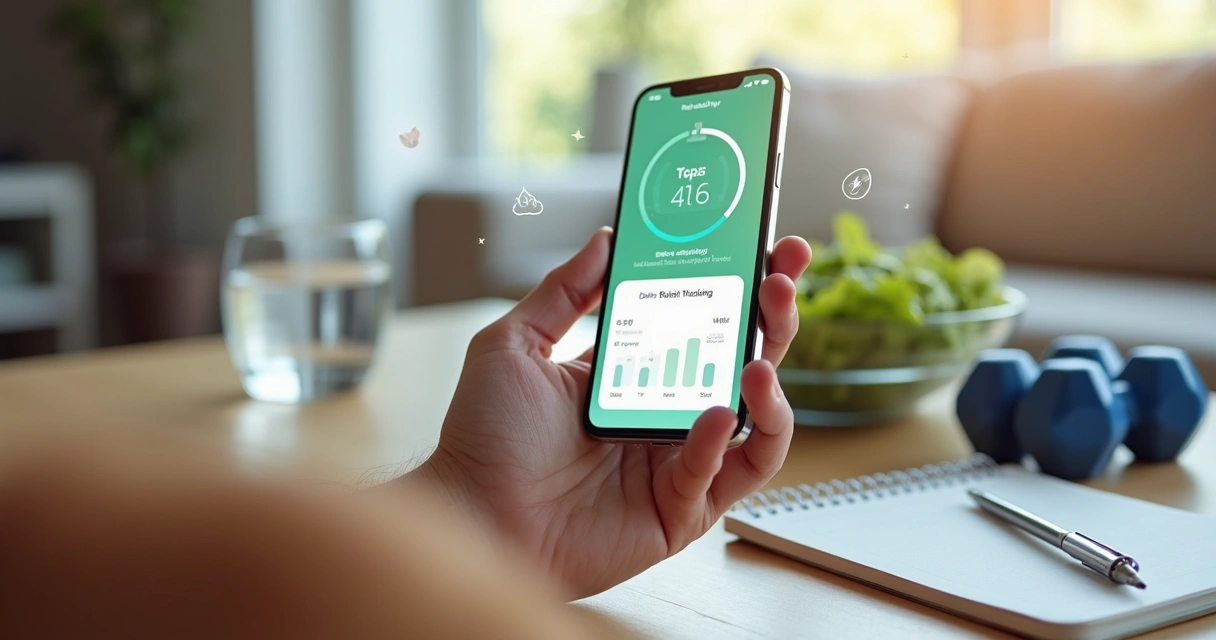
For many, the first month is filled with adjustment—physically, emotionally, and logistically. In fact, I’ve seen that using a tracking tool like Mingo to log food, hydration, and mood in those initial weeks can reveal hidden victories, even if the scale seems stubborn. For example, some notice a slight decrease in cravings before any visible weight change.
Gradual dose increases: Why starting low and going slow matters
It’s tempting to wish for instant results, but the prescribed dose of Ozempic is almost always started lower and bumped up gradually. This titration reduces the risk of side effects and helps your body adapt. In clinical practice, this means at first, doses are often lower than the “target” dose found to be most effective in studies for weight loss.
- Weekly increases or maintenance at a starting dose may last 4-8 weeks.
- Only when side effects are tolerable do healthcare providers increase to the next level.
- This helps prevent nausea and ensures most people reach their full potential on the medication.
It’s the classic slow-and-steady-wins-the-race approach—the real rewards emerge once you’re on a stable dose.

The first three months: Building momentum and achieving visible progress
So, how soon can you expect to see the needle shift on the scale? Research and personal accounts both point to the second and third month as a sweet spot for visible progress—not just in weight, but also in how your body feels day-to-day.
- Appetite reduction kicks in within 1-2 weeks, sometimes sooner for those sensitive to hormonal shifts.
- Blood sugar levels often improve within 4–12 weeks—especially important for those with type 2 diabetes.
- Clothing may begin to fit differently by the time you hit the 8- to 12-week mark.
- But meaningful weight loss—think several pounds—typically gets going after the first couple of months, ramping up as your dose stabilizes.
According to clinical trial data summarized by the Cleveland Clinic, participants using GLP-1 medications with supportive lifestyle changes lost about 15% of their body weight over 68 weeks, roughly 3 to 6 months in showing consistent reductions. This supports what I’ve seen with Mingo users: patience, paired with healthy habits, produces steady change.
Variability in results: Why everyone’s Ozempic timeline is unique
If you’ve spent any time in online forums, you know that person A’s story always sounds a bit faster (or slower) than person B’s. The clinical guidelines reviewed by the World Health Organization and experts emphasize a range of factors that influence results:
- Genetics and metabolic baseline
- Age, sex, and other personal health profiles
- Dietary patterns, especially protein and fiber intake
- Hydration and alcohol consumption
- Physical activity—both structured workouts and everyday movement
- Adherence to dose timing and instructions
- Presence of coexisting health issues like hypothyroidism or insulin resistance
In my research, the steadiest, most sustainable results come from combining medication with true lifestyle changes, not quick fixes. Tips for maximizing results play a vital role here, with digital tools like Mingo helping users set and reach realistic goals unique to their lives.
Some experience a burst of weight loss soon after their appetite drops. Others see a slow but steady decline that picks up speed months in. And some will plateau, needing an honest look at lifestyle, activity, and even medication adherence.

Milestones: What happens at 4 weeks, 3 months, 6 months, and one year?
4 weeks: Subtle shifts and new habits
Within the first month, people often report a different relationship with food. Less focus on eating, smaller portions, and sometimes, the first inklings of weight loss—perhaps 2 to 5 pounds, especially when using Mingo to reflect on food choices and tune-in to water and fiber intake.
This period is about tuning in, not dramatic transformation, and often coincides with lighter side effects as your body adapts.
3 months: Real momentum, visible results
Three months in, I consistently hear more enthusiastic conversations. Clothes may fit differently, and weight loss is more visible—usually ranging from 5–10% of starting body mass, especially in those sticking to medical and lifestyle guidance. These months seem pivotal for cementing new, healthier habits.
By now, blood sugar control is usually much better for people with diabetes, too. This can be a huge motivator, often increasing energy and well-being.
6 months: Body composition and well-being
The half-year mark often brings additional, steady progress. Some see a further 3–5% drop in total body weight between the third and sixth month. Those who use Mingo’s robust tracking find value in reflecting on trends, identifying triggers, and making concrete lifestyle adjustments. Some studies and clinical guidelines highlight that this phase is important for assessing overall success and planning for ongoing maintenance.
12 months: Long-term transformation, but not a finish line
Over one year, cumulative weight loss among those who remain on therapy and follow supporting recommendations often ranges from 10 to 15% of baseline weight. Studies from the Cleveland Clinic and large clinical trials confirm a typical outcome near 15% weight loss at about 68 weeks, with a strong link to adherence, medical management, and consistent lifestyle modification (Cleveland Clinic).
One year in, many people feel empowered—Ozempic is the tool, but their choices create the change.
Dosing schedules: How titration affects results
Let’s be clear: Ozempic is not a race—starting doses are intentionally conservative to avoid side effects like nausea. Only as your body adjusts does your provider increase the dose to maximize appetite suppression and, ultimately, weight reduction. This is standard for safety, not a sign of slow results.
- Week 1–4: Typically low, introductory dose. Body adapts, side effects monitored.
- Weeks 5–8: Gradual increase, typically every 4 weeks, under a physician’s guidance.
- After 8 weeks: Escalation to target dose if early side effects are minor and manageable.
- Ongoing: Dose may be fine-tuned depending on your progress, side effects, and goals.
Many patients using Ozempic for long-term weight management—even beyond 12 months—benefit from custom support and tracking, like what Mingo provides: alerts, data, and reminders focus on adherence, hydration, and other supportive habits. This ties in directly with optimal, personalized results and increased satisfaction with the journey.
Individual factors: What really influences the timeline?
In my experience, much of the variability boils down to personal circumstances and lifestyle. Here are some of the most common factors I see shaping the pace and quality of results:
- Diet quality: High-fiber, protein-rich meals paired with mindful eating speed up satiety and reduce overeating.
- Level of movement: Both total physical activity and purposeful exercise have been shown to amplify medication benefits. Even light, regular activity can make a major difference.
- Sleep and stress: Poor rest or chronic stress can blunt both weight loss and well-being. Good sleep hygiene and mindfulness, tracked through apps like Mingo, help a lot.
- Consistency with medical appointments: Regular medical follow-up helps identify needed tweaks or address side effects before they become barriers.
- Underlying medical conditions: Insulin resistance, PCOS, hypothyroidism, and other issues may lengthen the time needed to see results, but don’t rule out success.
- Emotional health: Patterns of emotional or stress eating need to be addressed for consistent progress; tracking mood and triggers can reveal helpful patterns.
The sooner you use available tools and support, like Mingo, to personalize these influences, the more satisfying the journey.
Side effects, monitoring, and the reality of patience
GLP-1 therapies, including Ozempic, are well established to cause digestive side effects in the initial weeks: nausea, occasional vomiting, mild diarrhea or constipation. In my long-term experience facilitating patient support groups, most users see these subside within the first weeks or months as the body adapts.
More serious adverse events—such as pancreatitis, gallbladder issues, or rare vision problems—are quite uncommon, but it’s important to stay in touch with your provider if you notice anything unusual, especially during dose increases. You can find a comprehensive review in the side effects guide I’ve published.
The bottom line: Most side effects are temporary and mild, but ongoing monitoring and patience are keys to unlocking safe, sustainable results.

Mental health and the emotional timeline of weight loss
This phase is too often overlooked. In my analysis and from stories shared via Mingo, I’ve seen weight loss efforts ignite a wave of emotional reactions. Excitement, anticipation, and sometimes frustration when results don’t line up with expectations right away.
It’s normal to hit plateaus after a few months, or to find old habits creeping back under stress. This is where support systems, continuous logging, and honest check-ins become vital. If you feel off track, take a week to review your data, chat with your provider, and adjust your goals. Using a tool that tracks both mood and objective measures, as Mingo does, can highlight hidden patterns and support resilience.
Success doesn’t follow a straight line. Mindset shifts are as necessary as medical adjustments for long-term transformation.
The non-scale victories: Celebrating wins beyond weight
While the main focus is often on pounds lost, I encourage everyone to notice these other triumphs:
- Increased energy and decreased daily fatigue
- Lower cholesterol and blood pressure numbers
- Reduced food noise and cravings
- Improved sleep quality
- Better glucose readings for those with diabetes or prediabetes
- Feeling more confident and comfortable in your body
I see many Mingo users realize they’re less focused on food and more engaged in life’s activities. These non-scale wins add up and can recharge motivation as much as dropping clothing sizes.
More energy. Less food worry. New confidence. These wins deserve a place on your chart.
Long-term treatment and why continuity matters
One important point highlighted by clinical guidelines is the “chronic care” nature of obesity. GLP-1 therapies like Ozempic are effective when used consistently for the long-term—think six months, a year, or longer. Interruption or stopping the therapy too soon can mean regaining lost weight and undoing hard-won progress.
Ongoing tracking of injections, side effects, meals, hydration, physical activity, and mood—precisely what Mingo offers—plays a central role in supporting this continuity by making it easier to stay on track each day.
If your dose has been stable and effective for several months, check out the in-depth resource about managing dosing long term. It contains practical advice for maximizing outcomes without unnecessary setbacks.
Key takeaways: Patience, persistence, and partnership
To wrap up, expect to see appetite reduction within days or the first couple of weeks, and first noticeable weight changes after a few weeks or a couple of months. Each milestone, from steady blood sugar over 4–12 weeks to major body changes at 3, 6, and 12 months, depends on personalized dosing, consistent habits, and active engagement with your health team.
Using digital tools like Mingo, guided by up-to-date clinical advice and regular check-ins, you’ll not only maximize the effectiveness of Ozempic but also learn about your own patterns, strengths, and resilience. Good care means treating weight as only one part of well-being.
When you’re ready to amplify your outcomes—or just want to track your unique journey in a worry-free, secure space—try Mingo. I’ve seen firsthand how it makes sense of complex journeys and helps create lasting change. You’re not just waiting for results; you’re building something better, starting today.
Frequently asked questions
How soon does Ozempic start working?
For most people, appetite suppression and changes in fullness begin in the first week or two after starting Ozempic. Visible weight loss may take longer, often emerging after several weeks of consistent use and dose escalation. Early metabolic improvements, such as lower blood sugar, also tend to appear in the first month.
When will I see weight loss results?
Many users report the first 2-5 pounds lost within the first 4–8 weeks, as long as they combine the medication with supportive behaviors and regular dosage increases. Significant and consistent weight reductions are most commonly observed between three and six months of ongoing treatment, especially when lifestyle and medical guidance are followed closely.
How long to notice effects of Ozempic?
Effects are commonly felt within days to a couple of weeks—most notably, feeling full sooner, less hunger, or even some mild digestive changes. It may take several weeks to see meaningful weight loss. Major milestones, such as 5–10% weight reduction, usually occur between 3 to 6 months.
Is Ozempic effective for quick weight loss?
Ozempic is best viewed as a steady and sustainable tool for weight loss rather than a rapid solution. Clinical research and real-world experience show the most lasting success is gradual, typically 10–15% total weight loss achieved over 6 to 12 months with ongoing lifestyle changes and treatment adherence (Cleveland Clinic on Ozempic timeline).
What to do if Ozempic isn’t working?
If you are not noticing results after a reasonable period (about 3 months at a therapeutic dose), talk to your healthcare provider. They may assess your medication regimen, current lifestyle factors, and other health issues that might be slowing your progress. Adjusting diet, physical activity, or even reviewing your dose could make a meaningful difference. Using digital tools like Mingo to track your progress provides helpful information to share with your provider and develop a plan of action.
If you’re ready to take control and make every milestone count, start your journey with Mingo. You’ll benefit not just from the science, but from a community and toolkit designed for your everyday success.