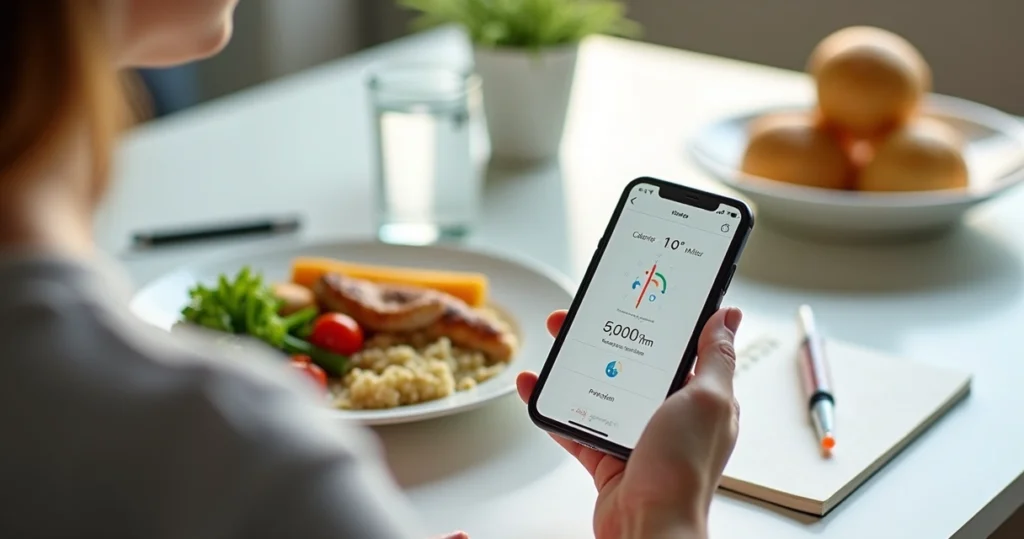
Not all journeys with healthy weight loss are the same. In my twenty years working with nutrition tracking, I’ve noticed one truth: people using GLP-1 medications like Ozempic, Wegovy, or Mounjaro face a unique set of hurdles and expectations, both physical and mental. Tracking calories or meals when using GLP-1 injectables isn’t just about numbers—it’s about supporting motivation, maintaining habits, and making daily life easier. That’s what I want to unpack here.
Understanding GLP-1 medications and weight management
GLP-1 receptor agonists—Ozempic, Wegovy, Mounjaro, and others—are prescribed for their ability to help with weight loss and manage chronic conditions like diabetes. By mimicking a hormone structure in the body, these medications decrease appetite, slow down stomach emptying, and enhance the feeling of fullness. It sounds promising, and it is, but the journey is much more than a prescription.
Just look at the numbers: in 2024, 26.5% of adults with diagnosed diabetes in the United States used GLP-1 injectables to manage their health, with even higher rates among those aged 50–64 and people with higher BMIs (CDC). Prescription rates have soared from 1.3 million in 2019 to 8.4 million in 2024 (Pew Research).
GLP-1s change the numbers, but your habits write the story.
Studies reveal that those using semaglutide can lose about 15% of their body weight, those using liraglutide lose between 5-10%, and some trials show losses up to 20% for tirzepatide (Stony Brook Medicine). But the results are not automatic, nor uniform: a Cleveland Clinic study highlighted that long-term progress hinges on medication type, treatment schedule, dosage, and how well a person follows their plan (Cleveland Clinic).
From this, it’s clear that methods to support daily habits, food choices, medication reminders, and emotional well-being can make a major difference in long-term success. That’s where a tailored calorie counting app, such as Mingo, becomes essential for this group of users.
The unique tracking needs of GLP-1 users
When I work with clients or colleagues who use GLP-1 injectables, I notice they need more than just a calorie log. Their relationship with food, side effects, and activity levels evolves alongside the medication. Here’s what sets their needs apart:
- Reduced appetite due to medication
- Greater risk of nutritional deficits (especially protein and fiber)
- Potential gastrointestinal side effects needing careful monitoring
- Strict schedules for medication (missing doses can lessen effectiveness)
- Emotional challenges tied to changing identity, expectations, or weight loss speed
- Desire for privacy around sensitive health data
It’s not just about “eating less” or “moving more.” Consistency, simplicity, and insightful tracking become the backbone for sustained results, especially as priorities—and even appetite—shift over time.
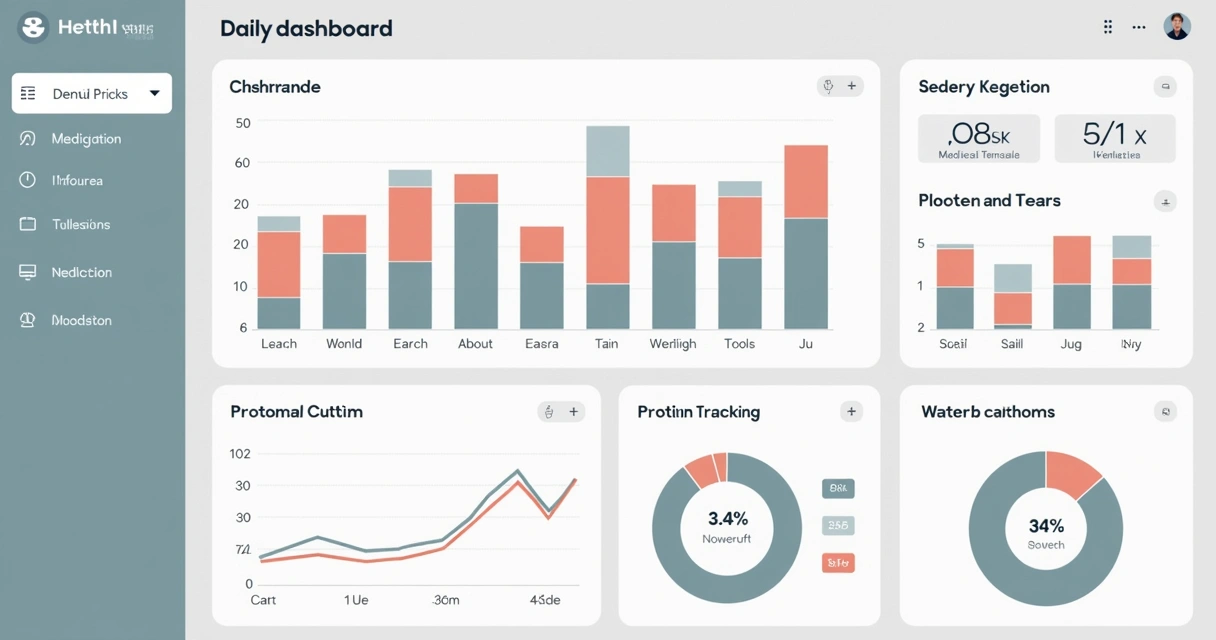
Why easy meal entry matters: Voice, photos, and beyond
Traditional calorie logbooks can be tedious, and I often heard from users that halfway through the week they simply gave up. For GLP-1 users, this is even more common. If your medication means you’re less hungry, spending half an hour logging a single meal just doesn’t make sense.
That’s where technology, like what I see in Mingo, really shines. When a calorie counting platform lets me dictate my meal, take a quick photo, or even scan barcodes, entering what I eat becomes a ten-second part of the routine. Suddenly, I’m free to focus on recovery and healthy activities, not data entry. The less friction you add to the logging process, the more likely someone is to keep up their tracking. Fast interactions translate directly into more reliable data for self-reflection.
For someone on Ozempic or Wegovy, this can mean the difference between knowing they’ve met their protein target—or finding out weeks later that their fatigue is due to low intake.
Evolving features: The power of smart entry
- Voice input for food records, ideal for mornings or when cooking
- Photo recognition that can log a meal visually (and appeal to those who don’t want to type)
- Barcode scanning for quick, accurate package food entry
- Simple portion size adjustments—to fit smaller, medication-influenced meals
- Automatic ‘favorite meals’ to save time each day
Many users, myself included, appreciate when the calorie logging app integrates features that cut out repetitive actions or guesswork. The more accessible these tools are, the more inclusive the app becomes for people managing busy lives—and busy treatments.
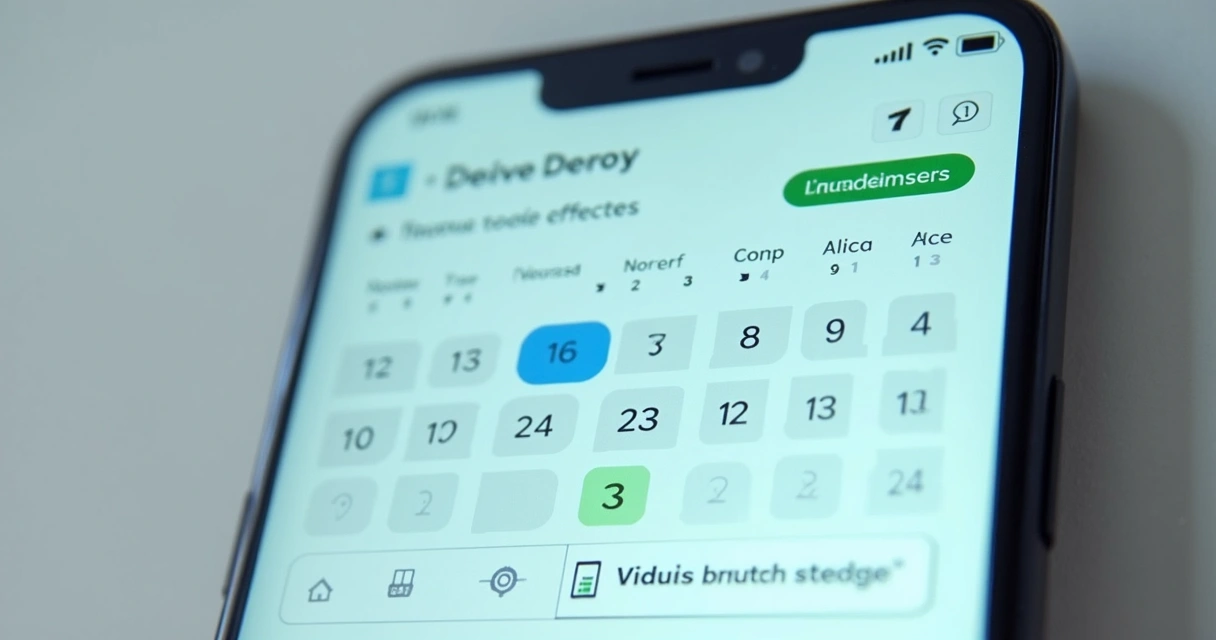
Scheduling medication and side effect trackers
For me, the genius of a comprehensive nutrition and health tracking app is that it mirrors real life. Tracking doesn’t just stop at meals. With GLP-1 medications, I see the growing need to track scheduled doses and monitor how the user feels, often in direct response to their injections.
- Injection reminders by day and time to support regular dosing
- Simple recording of any missed doses for accurate dialogue with healthcare providers
- Side effect logging, from nausea or cramps to mood fluctuations
- Links between side effects and foods or hydration tracked
The World Health Organization emphasizes that personalized and periodical monitoring is essential for sustained adherence and optimal health outcomes for people using GLP-1 receptor agonists. Apps that bring medication schedules and symptom logging into one dashboard empower users to identify trends, empower practitioners to personalize care, and reduce the risk of missing something important.
Beyond calories: Why protein, fiber, and hydration count more
With traditional calorie trackers, users tend to focus on reducing intake, mindful of “calories in, calories out.” GLP-1 injectables complicate this equation. Appetite suppression can accidentally lead to skipping meals, missing nutrients, and risking energy dips or muscle loss.
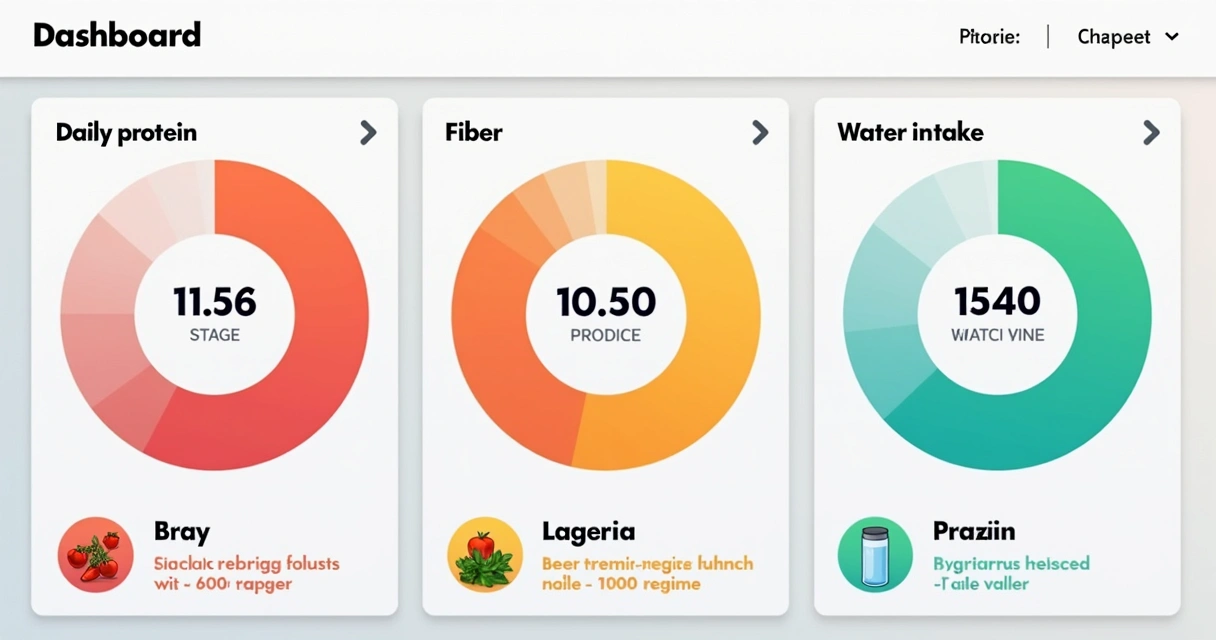
Protein and fiber are especially key for this group. Not just for building muscle and keeping hunger at bay, but also for promoting regular digestion and optimizing medication results. Similarly, hydration isn’t just “nice to have”—dehydration can worsen side effects and reduce concentration.
- Daily targets for protein and fiber intake, with reminders if intake falls short
- Hydration meters, set to personal activity level and medication regimen
- Charts for tracking progress over time, helping spot trends quickly
- Opportunity to link these nutrition features with progress in mood, activity, and wellbeing
Based on the World Health Organization’s guidelines, diversity and balance in the diet become even more significant for people using GLP-1 therapies. The guidance stresses not just calorie restriction, but adequacy, nutrient density, and a supportive environment for building and maintaining healthy habits.
Building sustainable habits: Activity, mood, and regular routines
In my research, success on a GLP-1 regimen isn’t just about initial weight change. People who see lasting benefit are those who build daily systems—routines for eating, moving, and monitoring how they feel.
This is where a comprehensive app, like Mingo, bridges the gap. Connecting steps, exercise, mood, and even notes about sleep or stress with nutrition and medication data gives a full picture of progress. I always recommend users start by looking for habit-building features, such as:
- Daily and weekly step targets
- Exercise logs, with notes on intensity and type
- Mood check-ins—reflections or emoji ratings linked to meals or days
- Reminders to check progress photos or journal entries
These details may seem secondary, but they’re what help me advise clients to “zoom out” and see patterns over weeks, not just days. Weight fluctuations, mood swings, and even changes in appetite can become less stressful when seen as part of wider trends.
Why local data storage and privacy are non-negotiable
GLP-1 users, more than most, face stigma and sensitivity around weight, medication use, and eating behaviors. In my experience, the decision to start tracking food or meds digitally is often blocked by fears around privacy or data misuse. The best digital solutions are clear: your information stays yours, on your device.
- No data shared with outside servers without active permission
- Option to store everything locally, with no cloud sync by default
- No ads or cross-marketing based on health logs
- Clear privacy policies and visible controls for data export or deletion
This privacy-first approach lets users feel in control, encouraging long-term commitment. Apps like Mingo are built around this core: users expect and deserve a digital space where their weight, mood, and medication history are safe from prying eyes.

Food tracking and mental health: A balanced approach
Not long ago, I worked with a client who said, “If I have to count every gram, I’ll never want to eat again.” That stuck with me. The emotional toll of tracking food—the shame, perfectionism, or frustration—can undermine even the best medical plan, especially for someone facing weight stigma or shifting body image after GLP-1 treatments.
Apps that support positive reflection, gently prompt without shaming, and make space for notes on feelings alongside calorie counts, support mental health as much as physical progress.
The best way I’ve found to foster motivation is flexibility. Encouraging users to look back not only at weight, but at how their energy and outlook changed through their journey. Linking progress with non-scale victories, mood charts, or daily gratitude notes gives depth beyond the numbers.
WHO data and qualitative studies show that emotional and contextual factors—including food environments, social support, and counseling—play a critical role in the success of obesity management with GLP-1 injectables. Apps that acknowledge these layers help reduce dropout and reinforce that the self-tracking journey is about personal discovery and growth, not simply numbers .
For more tips on finding the right emotional balance with nutrition monitoring, I’ve contributed a deeper discussion at this guide for GLP-1 users on calorie tracking.
Staying accountable: Motivation, reminders, and positive feedback
I’ve seen people break through plateaus by pairing smart reminders with encouraging feedback. When a calorie tracking system recognizes milestones—like sticking to a hydration streak, adding more vegetables, or logging consistent workouts—motivation rises.
- Customizable daily, weekly, or goal-based reminders (e.g., “time for your midday snack” or “did you get your steps?”)
- Positive-reinforcement messages on streaks or achievements
- Visual feedback—charts, badges, or photo timelines of progress
- Easy connections to health professionals or support communities if desired
A Cleveland Clinic study emphasized that ongoing encouragement, practical support with side effects, and regular check-ins strongly influence whether people stick to their weight-management plan (Cleveland Clinic). The tracking tools should not intimidate, but rather motivate through manageable, personalized feedback.
Best practices for long-term GLP-1 treatment can be explored in more detail at best practices for GLP-1 weight management.
Learning from data: Personal trends and smarter decisions
Over the months and years, the best calorie counting app doesn’t just serve as a diary—it becomes a place to spot patterns, evaluate what works, and adjust your path. I routinely remind users to check summary screens, compare weeks, and notice how different habits influence results.
- Charts for weight change, body composition, and measurements
- Overlay of medication adherence with changes in mood or appetite
- Nutrient breakdowns, helping to troubleshoot fatigue or digestive troubles
- Historical logs to discuss with healthcare providers for informed decisions
When a nutrition monitoring tool shows the whole picture, users can collaborate better with their care team. Does a certain food trigger side effects? Did a missed dose line up with mood dips or plateaus? Having clear, structured information empowers evidence-based adjustments.
One of my favorite resources on fitting calorie applications into GLP-1 care plans is this guide on how to use calorie apps with GLP-1s.
Integrating health devices: Apple Health and beyond
Most of us already carry devices that know more about our movement and schedules than we do, thanks to smartwatches and health apps. Mingo, for example, lets users connect directly with Apple Health to sync steps, activity, heart rate, and more.
- Automatic transfer of steps, workouts, or sleep from wearable devices
- Unified report for care teams or self-review
- Fewer manual entries for a seamless health habit routine
This integration helps fill gaps, reduce user error, and gives a more holistic view. Instead of treating meals, movement, and mood as separate, everything fits together in a living picture of well-being.
Discover more ways to align nutrition logs with modern health technologies at nutrition tracking for GLP-1 therapy users.
Putting it all together: The real-world GLP-1 nutrition tracker
After years of reviewing, building, and advising on nutrition and calorie counting solutions, I’ve learned that the “best” tool is the one that addresses these needs:
- Quick and easy meal or snack logging, accepting voice or photo input
- Reminders and checklists for medication and hydration
- Dashboards to track progress in weight, mood, exercise, and nutrition
- Automatic syncing with other health devices for fewer gaps
- Tools for logging side effects and missed doses
- Local data protection and privacy controls
- Mental health prompts and support for balance, not just restriction
- Insightful summaries, empowering users to make sense of their journey
- Personalized tweaks guided by user context and medical advice
These are features that Mingo brings together for anyone using GLP-1 medications. The app is designed to keep the process simple, meaningful, and secure—so the focus can stay on building habits, maintaining health, and living more fully in the moment.
Conclusion: Taking the next step in your GLP-1 journey
From experience, I can say that making the most of a GLP-1 prescription takes more than just willpower—it’s about building systems and picking the right tools for your context. With a platform like Mingo, users have what they need to track meals quickly, protect sensitive data, get helpful feedback, and stay connected with professionals and themselves.
Progress in weight management begins with progress in self-awareness.
If you’re searching for a smart, safe, and user-friendly companion for your journey with GLP-1 medications, try creating your personalized plan with Mingo today. Discover how it can simplify your daily routine, support your motivation, and help you achieve your health goals while keeping your information private and secure.
Frequently asked questions
What is a calorie counting app?
A calorie counting app is a digital tool that helps users log and monitor their food intake, usually by tracking calories, macronutrients, and sometimes micronutrients. These apps often support entering meals manually, via barcode, photo, or voice, and calculate totals toward daily goals. For GLP-1 medication users, advanced versions—like Mingo—add options to track medication, side effects, hydration, protein, activity, and mood, making them a central hub for health.
How can a calorie tracker help GLP-1 users?
GLP-1 users benefit from food trackers that do much more than simple calorie totals. A well-designed app supports:
- Easy meal logging, even with reduced appetite
- Snap-in reminders for medications and hydration
- Tracking of key nutrients, minimizing risk of deficiency
- Logging and connecting symptoms or side effects with food choices
- Monitoring progress in fitness, mood, and habit-building
- Protecting sensitive information with robust privacy controls
These functions support both sustained habit formation and medical safety for people using injectables like Ozempic or Wegovy.
Which calorie counter works best with GLP-1?
There are many options, but the best calorie tracker for GLP-1 users is one that includes tailored monitoring for medication schedules, side effects, protein, fiber, hydration, and emotional well-being, along with a strong commitment to privacy. Mingo is designed specifically for these needs, bringing together all-in-one tracking for food, medication, and lifestyle while keeping user data local for peace of mind.
How accurate are calorie tracking apps?
The accuracy of a calorie tracking app depends on the quality of its food database, the precision of user input, and its ability to incorporate real-world eating habits (like portion estimates or home-cooked meals). Newer systems using barcode scanning, voice, and photo recognition can reduce errors, making it easier for GLP-1 users—who may have different meal sizes and frequency—to stay on track. However, no system can be 100% perfect, so interpreting long-term trends matters more than daily precision.
Is it worth using a calorie counting app?
Absolutely, especially for those on GLP-1 therapies. A calorie tracker helps reinforce healthy habits, brings awareness to nutrition gaps, supports safe medication use, and encourages positive reflection. The key is finding a balanced, user-friendly system like Mingo that values privacy and supports your whole journey—not just numbers.