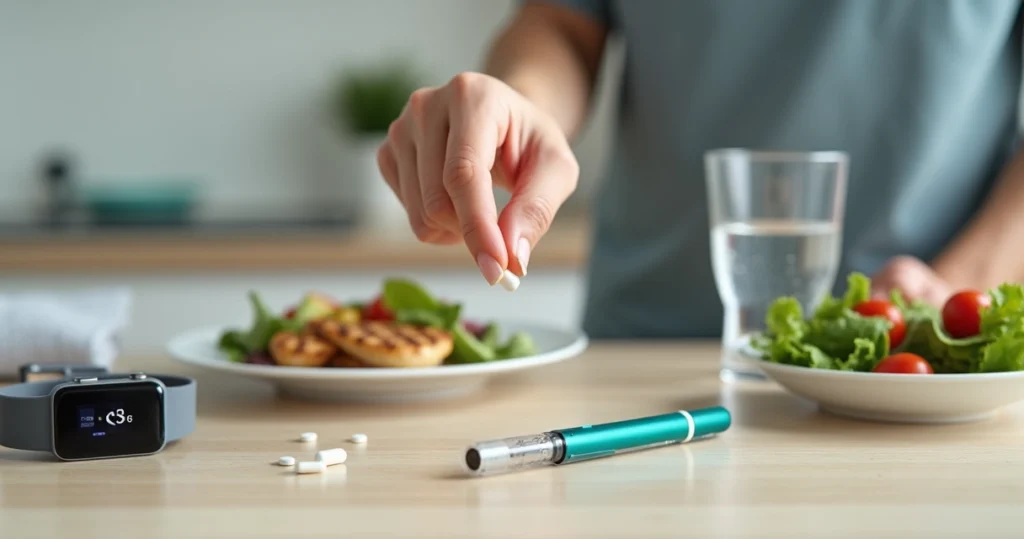
Obesity is a diagnosis that touches millions. With new treatments surfacing, the landscape shifts constantly, and yet, each step toward effective management brings its own set of questions and hopes. That’s how I first came across the so-called Wegovy pill—a treatment rooted in advances of GLP-1 receptor agonists, designed to target obesity in an innovative oral format rather than the older, familiar injections. Let me guide you through what I’ve learned, what users like me are asking, and the lived experience of moving through this journey with the help of digital tools like Mingo.
Understanding Wegovy and oral semaglutide
The emergence of GLP-1 therapies like the oral Wegovy form is part of a growing movement to expand options for those with obesity, offering a flexible route for those who may prefer not to take injectable medications. The Wegovy pill (oral semaglutide) brings the pharmacological benefits of its injectable counterpart into an easier-to-swallow daily tablet. For people like me, who value simplicity and privacy, this option often removes much of the stigma or anxiety sometimes associated with injections.
The key difference is in the method of delivery. Injectables are periodic (usually weekly), while oral semaglutide is taken daily. The mechanism, though, is fundamentally similar: it mimics the GLP-1 hormone, which controls glucose, suppresses appetite, and slows stomach emptying. By mimicking this natural hormone, the medication helps reduce hunger and increase feelings of fullness.
Same science, simpler routine.
Clinical experience and guideline reviews consistently highlight this convenience factor as an advantage for the pill, especially for those hesitant about injections or looking for a discreet, go-anywhere solution.
The mechanism: How oral semaglutide helps with weight loss
What drew me to the Wegovy pill isn’t just convenience. The science is robust and exciting for anyone hoping for reliable, sustainable results. Oral semaglutide, like its injectable counterpart, works as a GLP-1 receptor agonist. This means it acts on the same biological pathway as a natural peptide hormone produced in the gut.
Here’s how GLP-1 receptor agonists work:
- Increase insulin production when glucose levels are high
- Suppress excessive glucagon (another hormone that raises blood sugar)
- Slow gastric emptying so you feel fuller for longer
- Trigger the brain’s satiety center, leading to less food intake
By addressing appetite, glucose control, and metabolic rate in a single therapy, these agents not only help with weight loss but can also improve metabolic health and lower risk of related conditions, such as diabetes.
Real world studies and systematic reviews both highlight the clear metabolic improvements beyond just the scale.
How to use Wegovy pill: Dosing and administration
I found that proper dosing and administration are key to the success, safety, and comfort of oral semaglutide. The instructions aren’t complicated, but following them is crucial.
The typical starting dose for the Wegovy pill is “low and slow” to help your body adapt and minimize digestive side effects. Most guidelines and manufacturers suggest:
- Beginning with a very small dose daily for a few weeks (often 3 mg each day)
- Gradually increasing dosage every 4 weeks, following your prescriber’s advice
- Reaching a target maintenance dose (usually 14 mg/day, though new studies are investigating higher doses)
You should take the pill first thing in the morning, on an empty stomach, with a small amount of water (no more than 120 ml or 4 oz). After swallowing, wait at least 30 minutes before eating, drinking anything else, or taking other medications. Skipping this separation can reduce the medication’s effect.
Missing doses occasionally isn’t disastrous, but regular adherence is pivotal for predictable and safe results.
If you have questions about usage, I recommend checking out the Wegovy pill usage guide from Mingo, where step-by-step help is always accessible.
Expected results: What to look for based on studies and real-world experience
In my research, real-world effectiveness and consistent clinical trial results stand out. According to the OASIS-4 randomized trial, adults taking daily oral semaglutide (25mg) achieved an average of 13.6% body weight lost over 64 weeks, compared to 2.2% in the placebo group. That’s not trivial—especially considering this was paired with standard lifestyle advice and not extreme interventions.
Supporting this, a large real-world cohort study (over 8,800 adults) found an average weight reduction of about 15.7 kg (roughly 34.6 lbs) over one year from oral and injectable semaglutide regimens.
Results may vary, and not everyone will see double-digit percentage loss. Factors like adherence, diet, physical activity, metabolic rate, and genetics all play roles. Some may experience rapid changes early on, leveling off as their body adapts. Others move more slowly or meet plateaus, but benefit in other metabolic ways. Consistency and combination with healthy lifestyle changes remain the bedrock of success—something the Mingo app is designed to track and reinforce.
Progress, not perfection, is what matters most.
For more perspectives and lived experiences, Mingo offers a growing library of Wegovy results and user stories that I found both honest and encouraging.
Side effects and safety considerations
Any effective medication may bring risks or unwanted effects. The majority of people taking oral semaglutide for weight loss will experience side effects at some stage, typically in the first couple months as the body adapts. Based on reviews and my own experience, the common effects are gastro-intestinal:
- Nausea
- Vomiting
- Diarrhea
- Constipation
- Indigestion
These effects are usually mild to moderate and fade as the body adjusts. However, for some users, they can persist or significantly disrupt daily life. Rare but serious side effects can include:
- Gallbladder disease
- Pancreatitis
- Bowel obstruction or slow stomach emptying (gastroparesis)
- Rare eye conditions (e.g., NAION)
Most serious adverse events are rare, but should be watched for and reported to your care team immediately. In fact, recent Harvard Health data underscores that emergency events are uncommon, affecting fewer than 4 people per 1,000 users.
The best approach? Stay in regular contact with your healthcare provider, keep an updated record of your symptoms, and don’t be afraid to ask questions or advocate for a dosage change if needed. Mingo’s ability to track side effects, moods, and timing can help you present a complete story at your next appointment.
For more detail on what to expect, Mingo has a comprehensive overview of side effects that digs into what is common, rare, and what to watch for.
Who is eligible? Getting started with a prescription
I remember wondering if I’d qualify for oral semaglutide, and the answer is usually based on body mass index (BMI) and health history. Most prescribing guidelines recommend the medication for:
- Adults with BMI ≥ 30 kg/m2 (obesity)
- Adults with BMI ≥ 27 kg/m2 and at least one obesity-related comorbidity (like type 2 diabetes, hypertension, or sleep apnea)
However, suitability also depends on several other factors:
- Your medical history, including medications, allergies, and prior weight loss attempts
- Risk of pancreatitis, severe gastrointestinal disease, or certain hereditary thyroid cancers—which may preclude use
- Current pregnancy or plans to become pregnant (not recommended for use)
The decision is never one-size-fits-all. Qualified providers will consider your full health status before starting the Wegovy pill or adjusting your dose.
Your unique health goals deserve personalized support.
As always, the journey begins with a conversation—either face-to-face or virtually—so both provider and patient are confident in the plan.
Why lifestyle changes matter—more than ever
Even with breakthrough medications, research and experience tell the same story: medicines are most effective when combined with dietary changes, physical activity, and behavioral support. I saw both in myself and in studies that structure and tracking create accountability and support lasting results.
According to both practical dosing guides and the WHO practice statement, people prescribed GLP-1 receptor agonists should also receive counseling on healthy behaviors right from the start. For best results, this includes support in:
- Building a meal schedule that highlights protein, fiber, and nutrient density
- Drinking plenty of water
- Moving more and sitting less daily
- Monitoring progress and mood
Apps like Mingo play a major role in supporting this journey—allowing anyone to log meals by voice, scan foods, set reminders for medications, track symptoms or side effects, record water and activity, and even journal mood. For me, consolidating all my weight management data in one secure, local place made the process feel less scattered and more empowering.
Access, cost, and follow-up: What you need to know
Getting started with the Wegovy pill usually begins with a conversation with a primary care provider or specialist. They will assess eligibility, explain expected benefits and risks, and provide the prescription. It’s important to remember that coverage for GLP-1 medications, including oral semaglutide, can vary greatly.
Factors like insurance, country, and even clinic policy all play roles in determining the out-of-pocket expense, which remains significant for many patients. From my research and guideline summaries, strategies to improve access may include broader insurance coverage, advocacy for price negotiation, or expansion of programs that subsidize these medications.
Regardless of where you live, regular follow-ups with a provider are necessary—not just to monitor progress and safety, but to help you adjust your lifestyle plan, address barriers, and maintain motivation over the long term. For many, this is where digital tools like Mingo become irreplaceable allies by making sure that the journey is always on track.
Summary guides on the health impact and broader benefits of Wegovy are readily available, and I found them helpful in understanding how everything fits together.
Conclusion: Empowering your weight loss journey
Learning about, starting, and staying committed to the Wegovy pill involves more than just taking medicine. It’s about making intentional choices that add up over time: working with your provider, tracking your journey, and leaning on the right tools for support. The science is promising but your experience will be uniquely your own.
If you’re ready to take control of your weight loss journey and want less confusion, give Mingo a try. Track your entire experience with ease and create your personalized plan today—everything protected with your privacy in mind.
Frequently asked questions (FAQ)
What is the Wegovy pill used for?
The Wegovy pill (oral semaglutide) is used for weight management in adults with obesity or those overweight with weight-related health problems. It works as a GLP-1 receptor agonist, helping reduce appetite, manage blood glucose, and achieve substantial weight loss. It is intended for long-term use, always as part of a broader plan that includes lifestyle adjustment and regular check-ups with healthcare professionals.
How do I take the Wegovy pill?
You take the Wegovy pill once daily, first thing in the morning, on an empty stomach, with a small amount of water—no more than half a glass. Wait at least 30 minutes after taking the pill before eating, drinking, or taking any other medications, as this helps maximize absorption and effect. Follow your prescriber’s instructions for dose escalation and never change your dose without talking to your provider.
What are Wegovy pill side effects?
Common side effects include nausea, vomiting, diarrhea, constipation, and indigestion. Most of these symptoms are mild and fade with time, but serious reactions (like pancreatitis or gallbladder issues) are rare and warrant immediate medical attention. Always communicate new or bothersome symptoms with your provider and keep a record of side effects if possible.
How soon can I see results?
Some people start to lose weight within the first few weeks of starting the Wegovy pill, but significant progress (more than 5-10% of body weight) usually takes several months. Most clinical trial participants reached their main result after about a year of consistent treatment, combined with lifestyle changes. Your progress may vary based on adherence, diet, physical activity, and other individual health factors.
Is Wegovy worth it for weight loss?
For many individuals with obesity or significant weight-related health risks, Wegovy (oral semaglutide) offers a powerful and evidence-based way to reduce weight and improve health outcomes. Clinical trial and real-world results consistently show average weight loss over 10% of starting weight for most users, with additional metabolic benefits. Close follow-up and lifestyle changes enhance results and help manage costs and side effects, making it a valuable part of a long-term obesity care strategy.