
Obesity is a reality for millions, and it’s complex. Over recent years, medical science has brought truly meaningful advances—among them, injectable therapies targeting the GLP-1 pathway. If you’re curious about how these medicines work, who should use them, their protocols, and what it takes to maximize their benefits, you’re not alone. Here, I’ll walk you through what I’ve researched and observed, grounded in the real needs of people aiming for a sustainable, healthier weight, and always putting user experience and evidence first. Along the way, I’ll show where solutions like Mingo support this journey by making tracking easier, safer, and more effective. Let’s get started.
Understanding GLP-1 injections and their rise in weight management
In my experience as a health-focused writer, there’s rarely been as much buzz in obesity care as around GLP-1 receptor agonist injections. Originally meant for type 2 diabetes, these therapies quickly proved useful for weight management too. CDC data from 2024 underscores this shift: 26.5% of adults with diagnosed diabetes used a GLP-1 injectable for blood sugar or weight, with even higher rates in people aged 50-64 and those with higher BMIs. By 2025, about 11.8% of US adults had used GLP-1 agonists and 14% were interested—especially middle-aged women. That’s a remarkable rise, and it mirrors what I’ve noticed: demand, interest, and access have exploded CDC data (2024), 2025 survey results.
These medicines—semaglutide, liraglutide, tirzepatide, and others—are backed by careful research and evolving guidelines. I’ve seen them recommended for adults who’ve struggled to lose weight with usual lifestyle strategies, particularly if their body mass index (BMI) signals clinical obesity. GLP-1 injections are not a shortcut or a magic fix but a powerful tool for some people’s journey. Informed, long-term treatment changes the outlook for many who once felt stuck.

How GLP-1 injections work in the body
Let’s break down the mechanism. GLP-1 is a hormone that helps control blood sugar and influences appetite. Drugs like semaglutide and liraglutide mimic or enhance this hormone’s effect, slowing stomach emptying and promoting a sense of fullness—so people eat less and don’t feel deprived. Tirzepatide combines GLP-1 and another hormone called GIP, adding another layer to appetite and metabolic control.
What’s truly striking about these agents is their impact in well-designed studies. As seen in major reviews, weekly semaglutide at therapeutic doses resulted in an average of 17.3% body weight loss over 68 weeks; tirzepatide has shown, in diabetes studies, even stronger glycemic and weight effects systematic review. With liraglutide, one broad study found that 76.4% of patients achieved at least 5% weight loss, and over 40% lost at least 10%, with duration of use making the biggest difference to outcomes multicenter national study.
GLP-1 injections reduce appetite, delay gastric emptying, and can help people lose a significant percentage of their body weight over time. This weight loss is not just about appearance—it improves multiple health risks linked to obesity.
Are GLP-1 injections right for you? Understanding indication and eligibility
The standard medical guideline is clear: these are generally prescribed for adults with a BMI of 30 or greater. In rare cases, people with slightly lower BMI but with obesity-linked health problems may also qualify. Still, not everyone is a candidate—individual health profile, any history of certain rare cancers, and medication compatibility must be considered.
For anyone considering this path, the starting place is always a thorough clinical assessment. I’ve spoken to many who found that the right dose, close monitoring, and a committed provider make all the difference. If you’re unsure whether these medicines make sense for you, it’s vital to talk to your doctor.
Protocols and practicalities: beginning and maintaining injectable GLP-1 therapy
Let’s go step by step through the usual protocols, drawing on evidence and practical know-how.
How and when are GLP-1 injections administered?
Most GLP-1 receptor agonists, including semaglutide and tirzepatide, are given once weekly, usually via a simple, prefilled pen. Liraglutide is unique in being a daily injection. Starting doses are low and gradually increased—this “titration” helps the body adjust and minimizes side effects.
Typical sequence when starting GLP-1 injections:
- Initial dose set by doctor (often the lowest available for the drug chosen)
- Gradually increase, usually every 2-4 weeks, if side effects are manageable
- Monitoring for weight, glucose, side effects, blood pressure, and other markers at each step
- Full dose continues as long as the benefit outweighs the risks and goals are met
- Adjustment or stopping, always under medical supervision, if needed
Personalized, periodic monitoring of treatment response and possible side effects is absolutely essential to maximize success and to minimize risk.

Monitoring your journey: the role of tracking and technology
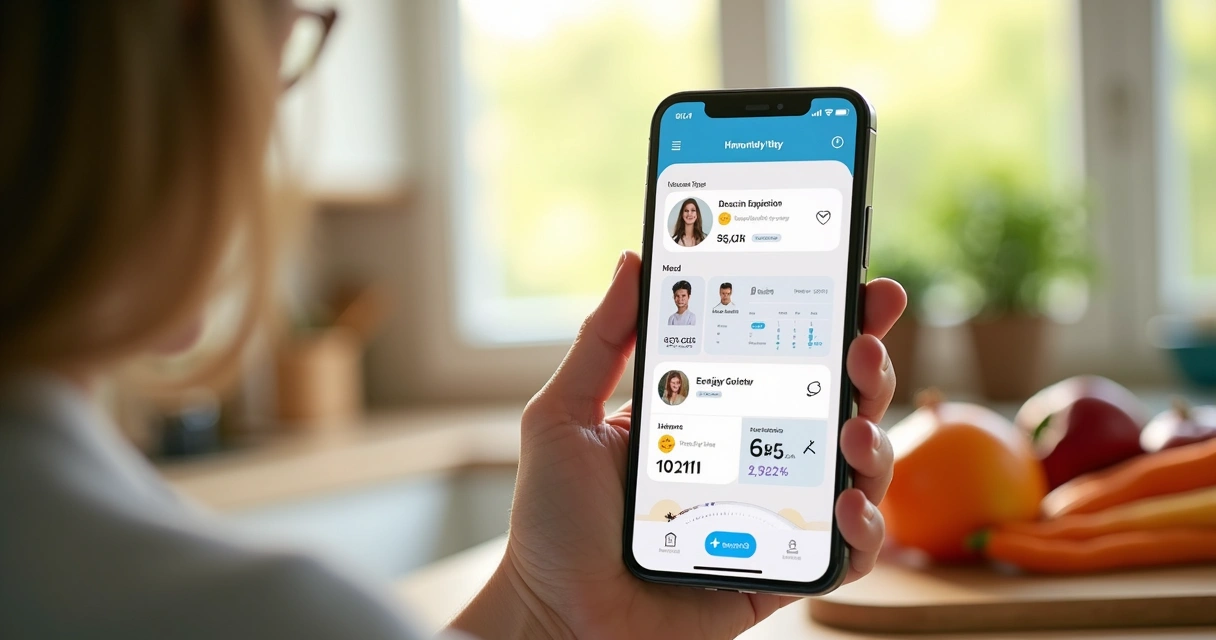
Medication journeys don’t happen in a vacuum. In daily life, tracking injection days, recording side effects, and integrating data on meals, water, protein, mood, and activity build a clearer picture. That’s why I see tools like the Mingo app making a real impact for people on GLP-1 therapies. Mingo stores everything safely on your device, making privacy a non-issue. Automatic reminders, voice-activated meal logging, and sync with Apple Health truly simplify the experience, support accountability, and even help in conversations with your care team.
If you want practical tips on how to use these injectables in your day-to-day routine, a guide like How to use GLP-1 injections can be a useful reference for new users.
Combining GLP-1 injections with lifestyle changes: the full recipe for success
Successful, lasting weight loss is nearly always multi-faceted. In analysis after analysis, adding structured behavioral, activity, and nutritional changes (intensive behavioral therapy, or IBT) to GLP-1 medications produced greater improvements in weight and health than medication alone. And it makes sense. Injectable therapies work best as part of a blended care plan—tracking, setting goals for physical activity, managing food choices, and addressing barriers with professional help.
Behavioral counseling on healthy diet and activity isn’t just for “starters.” It’s a fundamental pillar throughout the entire journey. The goal is to support gradual, sustainable changes rather than short-lived fixes. I like to approach each topic with realistic expectations, since radical overhauls cause more stress than progress.
- Increase movement: Gentle activity works, too. Find what fits your body.
- Monitor food and water: The more consistently you log, the more data you gather for smart changes.
- Prioritize protein, fiber, hydration, and regular meals: These all help keep you fuller, longer.
- Pause and track mood: Emotional awareness supports better choices and well-being.
- Talk to your medical team regularly, especially during dose changes or life transitions.
If you’re interested in actionable tips, this guide on healthy strategies bundles up proven, simple advice for sustainable progress.
Tools that track your injections, meals, and feelings transform your momentum and clarity.
The science behind synergy: why combining approaches works
Guidelines from global health organizations stress that the right care combines lifestyle support, medication (when indicated), and ongoing follow-up. While counseling by itself may not make a major difference in medication efficacy, behavioral routines lessen side effects and help people keep the benefits. Personalized, stepped approaches (for instance, starting with regular check-ins and moving to more in-depth therapy if progress stalls) suit most people best.
You can take practical bounds forward by using digital platforms or apps. They fill gaps between office visits, offering day-to-day support, reminders, and a much clearer record of your personal progress.
For holistic lifestyle advice, you might benefit from reading the healthy lifestyle guide—a resource devoted to simple daily improvements.
Navigating benefits, side effects, and safety of GLP-1 therapy
I’ve noticed readers have two major questions: what positive results to expect, and what safety issues or side effects to watch for. Let’s address both with specifics.
Benefits beyond the scale
Clinical trials show that GLP-1 therapy can support 5-16% body weight loss over 6 to 24 months, depending on the medication and protocol. What does this mean in real life? If you weigh 100 kg, it’s a difference of 5 to 16 kilos, on average, maintained as long as the treatment continues systematic review. People living with obesity also report improvements in quality of life, blood pressure, cholesterol, and in some cases, blood sugar.
Understanding side effects and how to manage them
Side effects are real, but in my writing I’ve noticed that forewarned is forearmed. The most common side effects are gastrointestinal: nausea, vomiting, diarrhea, and constipation, affecting up to 50% of users at some point. The good news: these usually fade after the first days or weeks, especially if medication is started low and increased gently.
Occasionally, people experience more intense issues—like severe vomiting, gallbladder problems, or even a rare form of vision loss linked primarily to semaglutide. Thyroid tumors have been highlighted as a potential concern in animal research, but in humans this risk remains uncertain and is rare. Always talk to your doctor about personal and family medical history.
- Tell your provider about any new or sudden pain, especially in your abdomen, chest, or eyes.
- If you have unexplained changes in mood or unusual fatigue, mention it early.
- Rapidly worsening symptoms should always mean a quick call to your health team.
Starting slow, following up regularly, and reporting concerns early are the best safeguards against adverse events on GLP-1 therapy.

Safety, long-term use, and weight regain after stopping treatment
One question I get often is: what happens when you stop? In systematic reviews, participants regained up to two-thirds of lost weight after stopping semaglutide at 68 weeks. In real-world terms: continued benefit means continued use, for most people. Long-term safety data is growing, but the largest studies so far only follow people for up to two years. For now, most expert groups recommend “long-term” use for obesity, meaning at least six months and often much longer, with medical supervision at all times.
Every decision to stop, adjust dose, or take a “medication holiday” should be discussed in advance with your medical team. There isn’t yet a clear, evidence-based “exit ramp”; lack of data means care must be individualized.
Unregulated, off-label injections (those not prescribed or those bought without appropriate oversight) pose real dangers—unsafe dosing, contaminants, unpredictable results. I always advise readers: “Stay with approved, regulated medicines and work closely with qualified health professionals.”
Regulatory approvals are critical: US FDA and many other authorities have separately approved liraglutide, semaglutide, and tirzepatide for weight management and/or diabetes, based on robust trials and years of post-marketing surveillance.
Costs, access, and equity: broader issues in weight management
In recent years, spending on these medications in the US alone surged from $13.7 billion to $71.7 billion between 2018 and 2023, with semaglutide and tirzepatide accounting for 70% of expenditures. While advances are outstanding, affordability and availability remain major barriers for many U.S. spending analysis. There is wide variation in coverage and cost-effectiveness country by country, forcing tough choices for individuals and health systems alike.
Making GLP-1 injectables work: tools for tracking and sustaining your plan
I’ve seen firsthand how structure and accountability predict success. For people using injectable therapies, the difference between just taking the medicine and truly thriving often comes down to support in the “ordinary days”: tracking, remembering doses, logging food and feelings, and staying motivated.
That’s where Mingo fits in. The simplicity of tracking—whether it’s meals with your voice, keeping water, protein, and fiber targets visible, or linking physical activity automatically—translates into better results, fewer missed doses, and lower stress. Privacy matters deeply; Mingo keeps data local, without sending it to anyone else, making it safe.
Integrated health apps can be the difference between confusion and confidence for people using GLP-1 therapies.
Putting it all together: real-world strategies for users
Here’s what I advise based on research, conversations with experts, and listening to people living the journey:
- Work closely with clinicians from the very first step—don’t try to start or adjust doses on your own.
- Introduce routines slowly: make one or two small food or activity changes at a time.
- Track, track, and track. Mingo and similar platforms support not just medical safety but real insight.
- Prepare for adjustment: most injectable programs are changed several times for best results.
- Give yourself time—true results can take 6 to 12 months or more.
Most of all, remember: There’s no one-size-fits-all. Your journey, your pace, your choices matter.
The bottom line: embracing a sustainable approach with GLP-1 therapies
GLP-1 weight loss injections have become an important and effective tool in obesity treatment. They deliver significant and lasting results for many people, but the right outcome is a true partnership—with health professionals, with your technology, and above all, with yourself. If you’re considering this path, look for sources and systems that elevate your own confidence and safety.
If you want to take control of your plan, experiment with meal tracking, injection schedule reminders, and activity logging, there’s no better time to get to know Mingo. Download for free and try crafting your own, personalized pathway. It’s never just about the numbers: it’s about seeing the whole, human side of your journey.
Frequently asked questions
What is a GLP-1 weight loss injection?
A GLP-1 weight loss injection is a medication delivered by subcutaneous injection that mimics or enhances the effects of the natural hormone GLP-1. This hormone influences both insulin production and appetite control. Medicines such as semaglutide, liraglutide, and tirzepatide are well-known in this category, and they’re approved by regulatory agencies for use in managing obesity or type 2 diabetes. These injections are prescribed and designed to support sustained weight loss and metabolic improvements in eligible adults.
How does the injection help with weight loss?
GLP-1 injections help people lose weight by reducing appetite, slowing stomach emptying, and affecting metabolic hormone signals to the brain. Most people eat less, feel fuller sooner, and are less driven by hunger cues. Large studies have found average losses between 5% and 16% of starting body weight with consistent, long-term use, especially when combined with personalized behavioral changes and support.
Are there side effects to these injections?
Yes, the most common side effects are gastrointestinal—mainly nausea, vomiting, diarrhea, and constipation. These are typically mild and improve over time. Less commonly, users may experience more severe issues including pancreatitis or rare vision problems. Rarer still, some people face increased risks based on personal or family medical history, so screening and careful monitoring are always recommended. Discussing side effects promptly with your healthcare provider is vital for safety.
How much do weight loss injections cost?
Costs vary widely depending on the medication, country, and your insurance or health system. In the US, spending on these therapies has grown rapidly, and affordability remains a major concern for many. Some people find partial or full coverage through health insurance, but many face significant out-of-pocket costs. Checking with your care provider and your insurer is always the best first step.
Is a prescription needed for weight loss injections?
A prescription is always necessary for approved GLP-1 weight loss injections. Using medications purchased without a prescription or outside valid healthcare channels is unsafe and discouraged due to potential risks. Legal, regulated injections are available only under the care and supervision of medical professionals, who will determine if this approach fits your medical history and needs.