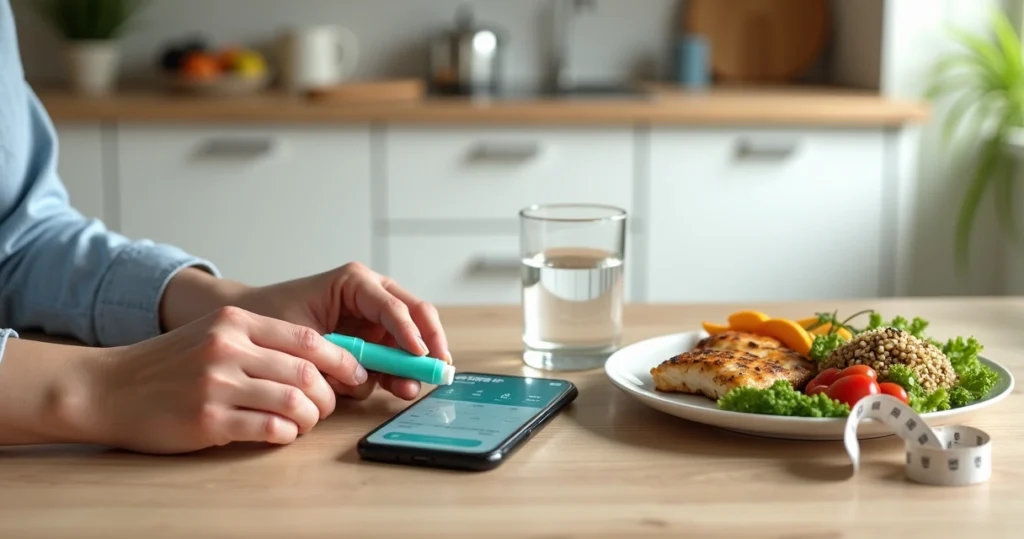
It’s rare that one discovery changes the daily lives of people living with obesity as much as the arrival of GLP-1 based medications. In my experience, they’ve shifted expectations, brought hope, and, importantly, demanded a lot more dialogue about what real, lasting change looks like. Here, I want to share a practical guide that brings clarity into Ozempic (semaglutide) usage as part of a structured weight management journey, weaving together science, the lived reality of treatment, and the strategic use of modern tools like Mingo.
Why GLP-1 medications matter in weight management
Here’s something that changed my view on treating obesity: it’s a chronic, progressive condition, not a simple result of ‘bad habits.’ Recognizing this unlocks new ways to think about treatments like Ozempic and other GLP-1 receptor agonists. This class of medications mimics a natural hormone in your body: glucagon-like peptide-1. That hormone has several jobs, it helps control your appetite, slows stomach emptying, and impacts blood sugar regulation, among other roles. When semaglutide (the key ingredient in Ozempic) enters the picture, it stimulates these pathways, leading to reduced appetite and earlier feelings of fullness. For many, the impact on daily food intake is noticeable within days or weeks.
Research consistently highlights the effect: In clinical studies reported by Cleveland Clinic, people using higher-dose semaglutide alongside lifestyle changes lost about 15% of their body weight over 68 weeks, that’s around 34 pounds, compared to the modest six pounds among non-users. Cleveland Clinic clinical studies. It’s a significant shift, but not magic, and the changes are best sustained when they’re paired with real lifestyle adaptations.

The difference between Ozempic and Wegovy: Clarity matters
I’ve received countless questions asking, “Aren’t Ozempic and Wegovy the same thing?” Both contain semaglutide, but they serve different purposes in medicine. Ozempic is officially approved at lower doses to manage type 2 diabetes, whereas Wegovy was specifically developed and approved, often at a higher dose, for chronic weight management in people living with obesity or those overweight with related medical conditions. The dosing schedules can diverge, Wegovy uses a maximum dose of 2.4 mg weekly, while for diabetes, Ozempic doses are usually lower. This means the expected results and potential side effects can vary, and so do the official recommendations. Those nuances matter when discussing options with your healthcare provider. For more details on medication structure and changing regulations, it’s helpful to read a complete explanation of GLP-1 medications on Mingo’s blog.
GLP-1 analogs in daily life: Beyond the prescription
If you’re beginning treatment with a GLP-1 analog, you’ll likely be asked to set realistic goals, pay close attention to your routines, and remain open to gradual change. From my own vantage point and from evidence-backed guidance, here are key elements I always emphasize:
- Personalized monitoring of food, fluid, and activity becomes more meaningful as medication sometimes shifts hunger cues.
- Side effects, especially when titrating up, often require intentional dietary and lifestyle changes to improve tolerability.
- Tracking both medication timing and meal content reduces confusion, supports adherence, and makes troubleshooting easier, which is where digital aids like the Mingo app play their most valuable role.
- Behavior changes anchor the long-term outcome, the medication offers a jumpstart, not a destination.
In the WHO’s global guidelines, people living with obesity on GLP-1 therapy are urged to receive context-appropriate behavioral and lifestyle counseling (including, but not limited to, structured changes in diet and physical activity). Pharmacological support works best when paired with sustainable routine adjustments. More on this approach can be found in Mingo’s own resources on effective GLP-1 strategies at this practical guide.
Expected benefits and the real-world impact
Let’s talk results. Not just those seen in research labs, but those I’ve witnessed in actual users. People can lose from 5% up to 15% or more of their initial body weight over the first one to two years of chronic GLP-1 therapy. But those numbers, while impressive, are only one part of the journey.
I’ve seen that consistency, not perfection, drives the biggest change.
What stands out in user interviews and formal outcome studies is less about dramatic early drops, and more about steady, moderate losses that last. A recent analysis noted that 67% of Ozempic users reported reduced weight, diminished cravings or appetite, and around 55% shared meaningful weight reductions. Satisfaction? The median rating was a strong 8.5. Many prioritized real-world effectiveness over initial discomfort, choosing to stay on therapy when results matched their expectations[user review analysis].
It’s worth noting: the most obvious health improvements, lowered blood pressure, better glucose control, improved energy, align best when medication is matched with attention to healthy eating patterns, sleep, hydration, and movement.
Side effects and common barriers with GLP-1 use
Every medication comes with risks; here’s what’s commonly seen and supported by clinical reviews:
- Nausea (most frequent, often early during treatment or dose changes)
- Vomiting (typically mild and self-limited)
- Constipation or diarrhea (both commonly described)
- Less commonly: abdominal pain, gallbladder issues, rare risk of pancreatitis or thyroid issues, and some discussion about optic neuropathy (NAION), though this is exceptionally rare, especially with semaglutide
A Harvard and CDC collaboration analyzing side effects data found that serious adverse events are rare (under four ER visits per 1,000 users), and over 70% of these were for gastrointestinal symptoms. The large majority of unpleasant effects are mild, manageable, and fade with time, especially with proper support and dose adjustments, and ongoing dialogue with your healthcare provider helps prevent escalation[Harvard side effects study].
Barriers are not only medical; unpredictability in routines, social occasions, and stress are frequent hurdles. I’ve seen the best success when people actively plan for disruptions and use meal prep, reminders, and tracking aids to reduce decision fatigue.

Getting the most from medication: The ongoing nature of treatment
Here’s a reality check: GLP-1 therapy, including Ozempic, is recommended as a long-term treatment for those who benefit from it. There’s no universal target number of months; studies so far rarely cover more than two years, so large questions remain about lifelong use. What is clear is that stopping medication is often linked to weight regain, sometimes rapidly so if nothing else changes in the person’s lifestyle or environment.
One practical takeaway? If you’re committed to real, durable transformation, make sure to also commit to follow-up and periodic health checks. It’s not uncommon for clinicians to adjust your care plan over time as your needs evolve, as discussed in changing weight loss strategies for Ozempic users.
GLP-1s are a tool for continuous care, not a one-time fix.
Tolerability remains a big focus. There are ongoing discussions around minimizing muscle loss during rapid fat reduction, but emerging mouse-model studies suggest that decreases in lean mass may come from other tissues (not just muscle), and real-world monitoring helps address such concerns [mouse model muscle loss research].
Why behavior changes matter most: Nutrition, movement, and day-to-day structure
From everything I’ve seen, the sustainability of outcomes is linked strongly to everyday behaviors and routines. Here are the moves that stack up over time:
- Regular protein intake supports muscle health and satiety, aim for this non-negotiable foundation during substantial weight loss.
- Fiber isn’t just a cliché; it truly helps with both fullness and digestive comfort, countering common medication-related constipation.
- Hydration matters, especially since GLP-1 use can nudge down natural hunger cues, sometimes leading to lower thirst signals too.
- Tracking physical activity (even brisk walking or other moderate exercise) amplifies benefits, stabilizes mood, and guards against muscle loss.
- Structured meal tracking supports recognition of hidden calories and the impact of stress or emotional cues.
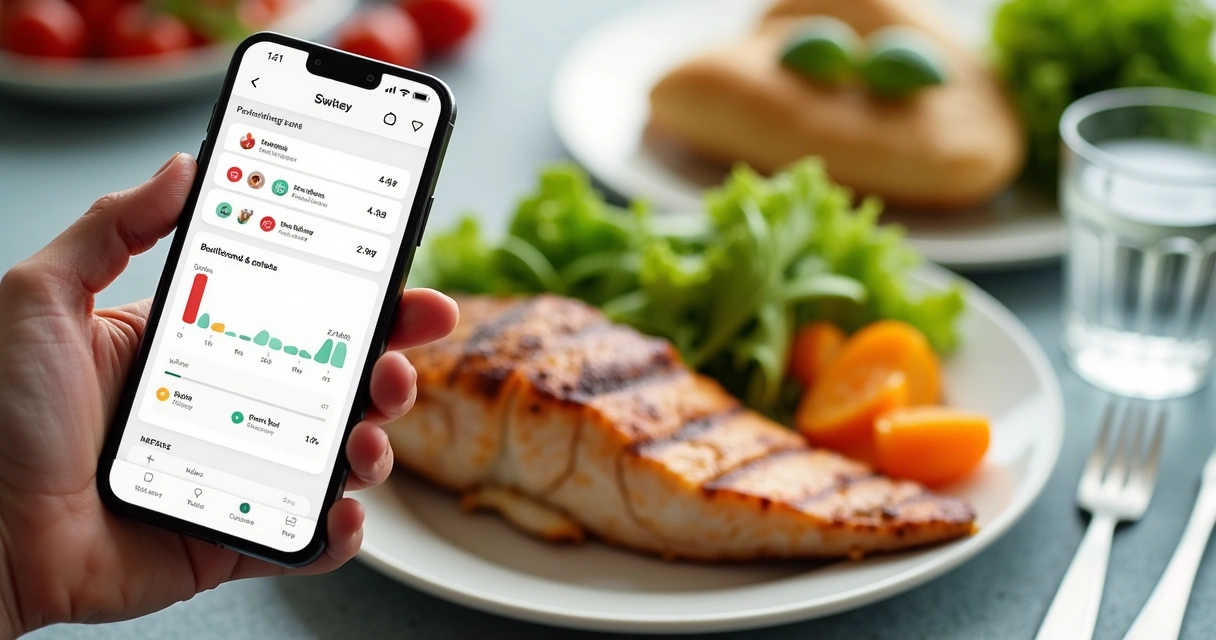
Routine is easier to build with digital support. In my experience, the ability to track meals by voice, photo, or barcode scan (as made possible with Mingo) gives immediate clarity and a sense of progress. I’ve noticed that when people see the data, like their days of medication use, water intake, or protein grams, motivation holds steadier across weeks and months.
Tracking application times and handling missed doses
GLP-1 medications are most effective when used at consistent, scheduled intervals (most commonly once a week, on the same day). In my experience, setting calendar reminders or using app-based notifications is vital, a missed dose can slightly decrease effectiveness, and repeated misses make it harder to see clear results.
- When a dose is missed, the standard advice is to take it as soon as possible, provided it’s within a few days of the intended day. Past that, skip and resume at the next scheduled time. Never double up.
- If you’re tracking in Mingo, you have a clear log to share with your healthcare provider or simply to review your patterns, building real-life accountability into your plan.
These tracking routines are invaluable, especially for people managing other medications, variable schedules, or busy work and family lives. Consistent recording liberates mental space, reduces stress, and ensures you get the full benefit from the medication.
The next step: Combining medication, diet, movement, and check-ins
The surest progress happens with a clear, repeating sequence:
- Set a realistic weight or health target, in partnership with your provider. For most, aiming for 5–10% weight reduction is both ambitious and achievable.
- Start GLP-1 therapy, titrating up as tolerated while tracking all effects, positive and negative.
- Pair the medication effect with intentional adjustments in eating patterns, water intake, and regular movement.
- Log meals, hydration, medication, and symptoms (apps like Mingo add structure and clarity at this stage).
- Schedule consistent check-ins for both encouragement and data review, celebrating wins is as essential as troubleshooting obstacles.
Several major guidelines and systematic reviews now state that pharmacological treatments, when matched with evidence-based behavioral change programs, offer the strongest and most lasting results.

Privacy, digital support, and why I recommend Mingo
People often worry about privacy when tracking sensitive health and wellness data. I appreciate that Mingo keeps all data stored locally, never uploads to the cloud, and never sends anything to external servers. This approach protects your information while still delivering practical support with automatic reminders, food and mood logs, and real-time review of your journey.
Digital support tools don’t just make logging easier, they build bridges between personal experiences and the guidance of healthcare teams. When you can quickly share accurate insight from your own day-to-day records (without privacy risk), your regular check-ins with doctors and nutritionists become far more productive.
Continuing the journey: Results, setbacks, and what comes next
Results come at different paces for different people. There will be weeks of motivation, periods of setback, and moments when the scale barely budges. But each adjustment matters. Feedback from people using GLP-1 medications is clear: those who keep tracking, learning from both wins and frustrations, and maintaining dialogue with their support network are the most likely to see real, sustainable progress.
Obesity is complex, but with effective use of today’s tools and therapies, you can make it manageable. If you’re starting a GLP-1 journey, or searching for new momentum, start by focusing on one small, repeatable behavior this week, whether it’s daily meal tracking, trying a healthy new recipe, or making your next doctor’s appointment, and see where it takes you. For more practical strategies or to try personalized tracking on your own terms, I invite you to get to know the Mingo app, designed for privacy, flexibility, and empowerment at every stage of your weight loss story.
Frequently asked questions about Ozempic weight loss
What is Ozempic for weight loss?
Ozempic is a prescription medication containing semaglutide, a GLP-1 receptor agonist, which mimics the action of the glucagon-like peptide-1 hormone to help regulate appetite, slow digestion, and reduce food intake. It was initially developed for type 2 diabetes management but is widely used off-label for weight loss, and its effectiveness is most pronounced when combined with lifestyle management (diet, activity, tracking).
How much weight can I lose?
Large studies indicate that users may lose around 10–15% of their body weight over 1–2 years when using semaglutide-based therapy in conjunction with lifestyle changes. In specific trials tracked by Cleveland Clinic, average weight reduction reached up to 34 pounds over 68 weeks. Individual success can vary depending on consistency, nutrition, movement, and medical oversight.
Is Ozempic safe for weight loss?
Ozempic and other GLP-1 medications have a well-documented safety profile, with most side effects such as nausea and mild gastrointestinal disturbances being common, mild, and temporary. Serious adverse events are rare, and ongoing studies monitor other risks such as gallbladder, pancreas, or thyroid issues. Always use under medical supervision, report side effects promptly, and discuss your context with a healthcare provider.
How long do Ozempic results last?
Weight loss is generally maintained as long as medication and healthy behaviors are continued. If the medication is stopped without compensatory lifestyle adjustments, weight regain is common. Longitudinal data is still limited for periods beyond two years, but current recommendations reflect use as part of ongoing, chronic care for best maintenance.
What are common Ozempic side effects?
The most frequently reported side effects are gastrointestinal: nausea, vomiting, constipation, and diarrhea. These are usually mild to moderate in intensity and improve with time or dose adjustments. More serious but rare events include gallstones, pancreatitis, and thyroid issues, although these are monitored with ongoing research. Check with your healthcare provider if experiencing adverse events.