
Ozempic (semaglutide) can lead to weight loss, but weight loss is not what it is approved for. The FDA approves Ozempic for adults with type 2 diabetes, to improve blood sugar control and to lower certain heart and kidney risks. Semaglutide at a higher dose is approved for weight management as Wegovy, and that label, not Ozempic’s, is where the weight-loss trial results come from. Your prescriber decides which medicine and dose suit you.
The approved uses are in section 1 of the Ozempic prescribing information. For a side-by-side of the two brands, see Ozempic vs Wegovy.
How semaglutide affects appetite
Semaglutide is a GLP-1 receptor agonist: it activates the receptor for glucagon-like peptide-1, a hormone involved in blood sugar and appetite (Ozempic label, section 12.1). Digestion also slows, which is why the drug can affect how other oral medicines are absorbed (label, section 7.2).

The Ozempic dosing steps
| Step | Weekly dose | How long |
|---|---|---|
| 1 | 0.25 mg | 4 weeks |
| 2 | 0.5 mg | At least 4 weeks |
| 3 (if needed) | 1 mg | At least 4 weeks after 0.5 mg |
| 4 (if needed) | 2 mg | At least 4 weeks after 1 mg |
Source: Ozempic prescribing information, section 2.2. Doses are given once a week, any time of day, with or without food, under the skin of the abdomen, thigh or upper arm. If a dose is missed, the label says to give it within 5 days of the missed dose (section 2.1). For how this affects timing of results, see how long Ozempic takes to work.
Where weight-loss numbers come from
The trial numbers people quote belong to Wegovy. In a 68-week trial in adults with obesity or overweight, who also had lifestyle support, the average weight change was -14.9% with Wegovy 2.4 mg and -2.4% with placebo. In adults who also had type 2 diabetes, it was -9.6% versus -3.4% (Wegovy prescribing information, Table 8). Results vary a lot between people, and averages say nothing about your own pace.
A systematic review of long-term trials describes a follow-up in which about two-thirds of the weight lost on semaglutide 2.4 mg was regained within a year after stopping, which is why prescribers treat these drugs as ongoing treatment (Weight Loss That Lasts, PMC). Talk to your prescriber before stopping.
Side effects
The label lists nausea, vomiting, diarrhea, abdominal pain and constipation as the most common reactions (5% or more of patients). They tend to come with dose changes, which is why the dose rises slowly. The warnings also include:
- A boxed warning about thyroid C-cell tumors seen in rodents; Ozempic must not be used with a personal or family history of medullary thyroid carcinoma or MEN 2.
- Acute pancreatitis and acute gallbladder disease.
- Diabetic retinopathy complications; tell your doctor if you have eye disease.
- Kidney injury from dehydration after vomiting or diarrhea.
- Low blood sugar when used with insulin or sulfonylureas.
- Severe stomach and bowel reactions; not recommended in severe gastroparesis.
- Aspiration risk during anesthesia; tell your care team before any procedure.
Call your prescriber for severe or lasting stomach pain, repeated vomiting, or any symptom that worries you. More in GLP-1 side effects: what to expect and how to manage them.

Food, movement and daily routine
Both semaglutide labels pair treatment with a reduced-calorie diet and more physical activity. Beyond that, we avoid giving targets, because needs differ. Things worth raising with your prescriber or a dietitian:
- How much protein and fluid suit you while your appetite is lower.
- Fiber and fluids if constipation shows up.
- Smaller meals if you feel full or nauseated quickly.
- Activity that fits your health and joints.
Tracking your treatment
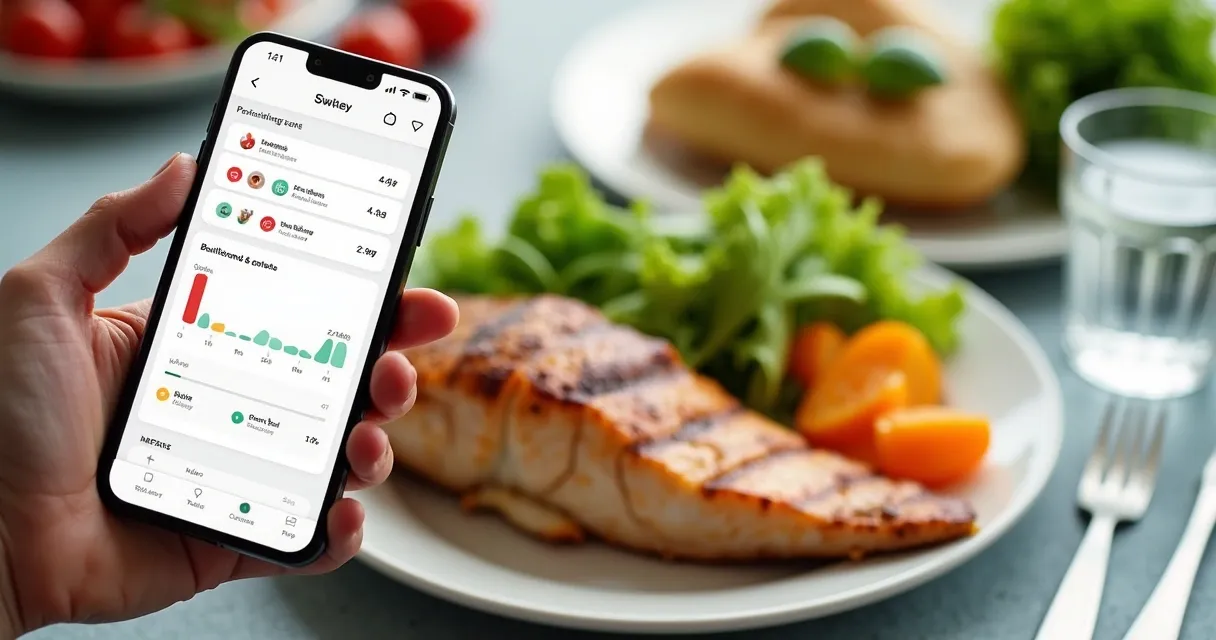
A record of injection day, dose step, side effects, meals and weight turns a vague “it’s not working” into something your prescriber can act on. Mingo is a GLP-1 tracker for iPhone and Android that logs shots and doses, food and protein, side effects and weight in one place. It doesn’t replace your doctor. Get the app. For a broader plan, see our GLP-1 weight loss medication guide.

Key takeaways
- Ozempic is approved for type 2 diabetes. Weight management is Wegovy’s approved use.
- Ozempic starts at 0.25 mg for 4 weeks, then 0.5 mg, with steps to 1 mg and 2 mg only if needed.
- Weight-loss trial figures come from the Wegovy label; results vary and the weight tends to return if treatment stops.
- Digestive side effects are most common; tell your prescriber about severe symptoms.
Frequently asked questions
Is Ozempic approved for weight loss?
No. Ozempic is approved for adults with type 2 diabetes. Semaglutide for weight management is sold as Wegovy. Using Ozempic for weight loss alone is off-label, so talk to a prescriber about the right product.
How much weight can I lose?
There is no single number. In the Wegovy trial, average weight change after 68 weeks was -14.9% versus -2.4% with placebo, with lifestyle support. Individual results vary widely.
Is Ozempic safe for weight loss?
Safety depends on your health history. The label lists boxed and other warnings, including thyroid tumors seen in rodents, pancreatitis and gallbladder disease. Use it only as prescribed and report symptoms promptly.
How long do the results last?
Weight tends to come back after stopping. A review of long-term trials reports that about two-thirds of the weight lost on semaglutide 2.4 mg was regained after stopping. Ask your prescriber about a long-term plan.
What are common Ozempic side effects?
Nausea, vomiting, diarrhea, abdominal pain and constipation. Call your prescriber if they are severe or do not improve.


