Person using a food tracker app with GLP-1 support on a smartphone beside a healthy meal

Food Tracker Apps: Monitoring Nutrients With GLP-1 Support

In my journey as a health writer, I have seen the role of technology in personalized wellness change profoundly. Today, I want to guide you through an innovative aspect of this evolution, the new era of food tracker apps that offer specialized support for those using GLP-1 medications like Ozempic, Wegovy, Mounjaro, Saxenda, and Victoza to promote weight loss and metabolic health. These apps are not just about calories anymore. They create a bridge between medication, nutrition, and habit formation, making a demanding process more accessible and even enjoyable for everyday people.

How food tracking transforms health journeys

When I first began researching digital nutrition tools, it became clear that the path to lasting change relied on making nutrition, hydration, and physical activity visible, actionable, and personal. In the context of GLP-1 therapies, injectable medications changing the landscape of obesity and diabetes care, this is even more vital.

GLP-1 medications work best when paired with good dietary habits, robust nutrient monitoring, and structured behavior support. Recent global studies highlight how more adults than ever are turning to these therapies, with over one-third of new type 2 diabetes initiations now involving GLP-1-based medications such as semaglutide or tirzepatide by late 2023, changing both the clinical and home care landscape (study data).

But how do these software tools really support the objectives of a medication-based weight loss journey? Let me break down the core benefits, features, and decision points I see as transformative for users and their healthcare professionals.

Beyond calories: macronutrients, micronutrients, and hydration

Food logging once meant tedious calorie counting, but that only scratches the surface of what the human body needs. In my experience, nutrient-dense eating is about so much more:

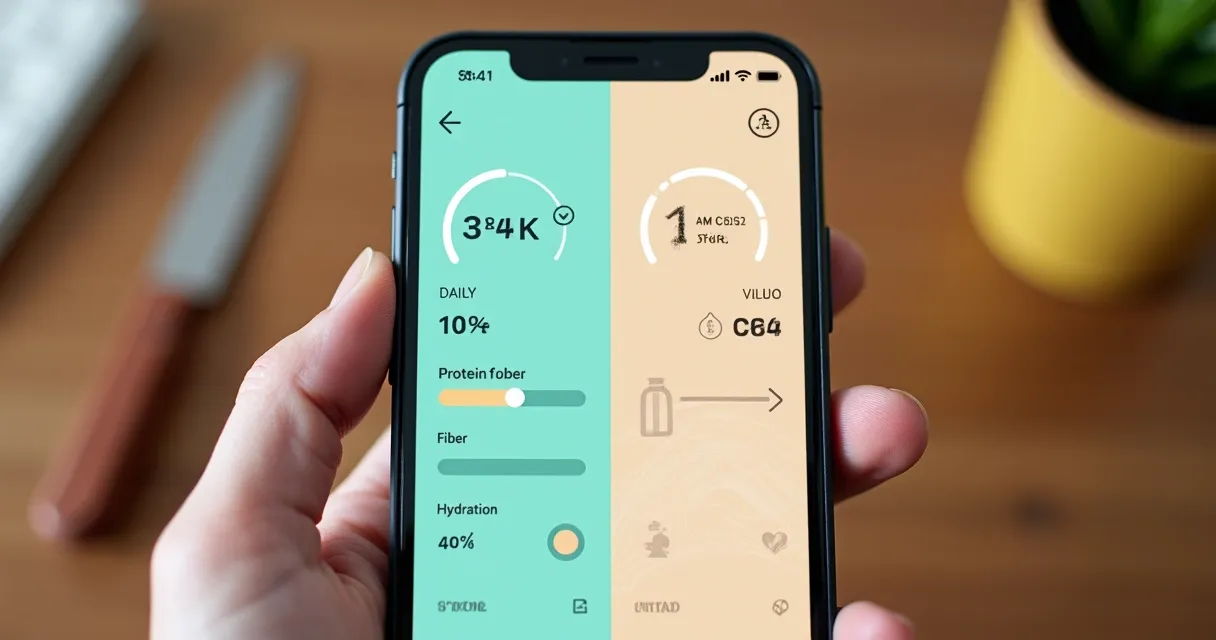
  • Tracking protein, for muscle support and satiety during fat loss, particularly critical on GLP-1s as appetite often drops.
  • Following fiber, for gut health and to help with some of the gastrointestinal side effects more common with GLP-1 agonists.
  • Fluid intake, easy to ignore but absolutely necessary as these medications can cause dehydration, and proper hydration is key for metabolism and general health.
  • Attention to micronutrients, vitamins and minerals can be more easily neglected during appetite suppression. An app that reminds and tracks these offers real value.

Small changes add up.

When working with Mingo, I appreciated that it brings everything into one space, from water intake and mood to protein and photo-based meal logs, making it feel less like a chore and more like a personal health dashboard.

Seamless logging: removing friction from food tracking

I have seen countless users give up on food tracking because the process interrupts their daily flow. This has led to new methods for capturing data, making logging feel natural:

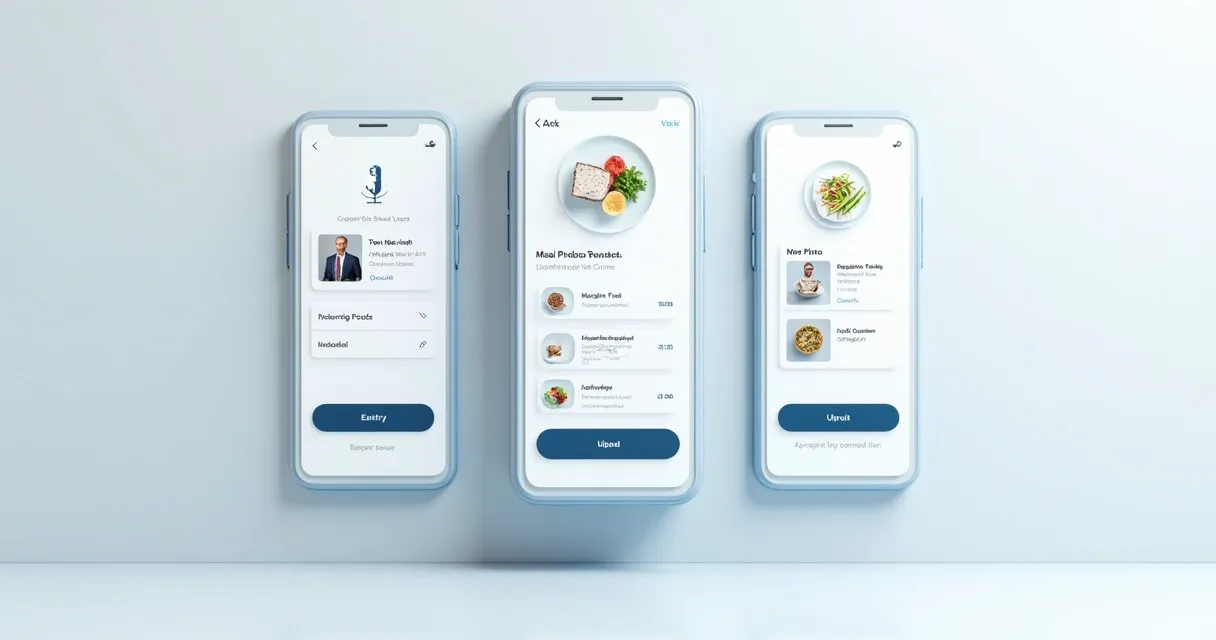
  • Voice-based meal entry captures a snack mentioned off-hand, so users don’t lose momentum or forget what they ate.
  • Barcode scanning for packaged foods helps with detail in busy or on-the-go moments.
  • Photo logging allows you to snap and go, making food diaries possible even when filling in detailed descriptions feels tiresome.

Meal logging using voice, barcode, and photo on a food tracking app

By lowering the barrier to entry, food tracker apps invite consistency and make tracking sustainable for people juggling busy schedules or unpredictable days. This consistency is especially meaningful for individuals taking GLP-1 medications, where the day-to-day can look very different depending on dosing schedules, appetite, and medication side effects.

You can read more about the everyday benefits of these innovations at why food tracker apps matter.

Robust food databases: the foundation for personalized guidance

Everything starts with the database. I believe the best nutrition apps are only as useful as their food libraries. Why?

  • They must recognize local and international foods for global usability.
  • Information should cover comprehensive macronutrient and micronutrient values.
  • Data must be current, with portion suggestions and measurement options relevant to the user’s daily life.

I find that the breadth of these databases determines how accurate, relevant, and actionable the nutrition coaching becomes. If you can’t find what you eat, you can’t track what matters. For GLP-1 users, accuracy is more than a preference: it is protection against hidden excesses, deficiency-induced fatigue, or missed nutrient targets at a time when their food volume is dropping but needs remain steady.

Integrations: connecting health data for a full picture

Wearable tech has revolutionized how we engage with our health, and integration with tools like Apple Health is a major leap forward for app-based tracking.

  • Steps and activity levels can be automatically pulled into nutrition and weight tracking logs, adding context to calorie needs and output.
  • Workouts and custom exercise entries appear alongside meal data, making it easier to evaluate progress and energy balance.
  • Vital health info, weight readings, heart rate patterns, and sleep data, can feed into personalized suggestions.

When I explored how Mingo connects with Apple Health, it was obvious that automated syncing saves users time, reduces manual data mistakes, and deepens their understanding of the relationship between food, activity, and medication effects in real-time.

See a more detailed discussion at practical tips for using a food tracker app.

GLP-1 support: unique features that make an impact

As someone invested in wellness outcomes, I was particularly interested in features designed for users of GLP-1 treatments. A modern app, like Mingo, recognizes the unique needs of this group:

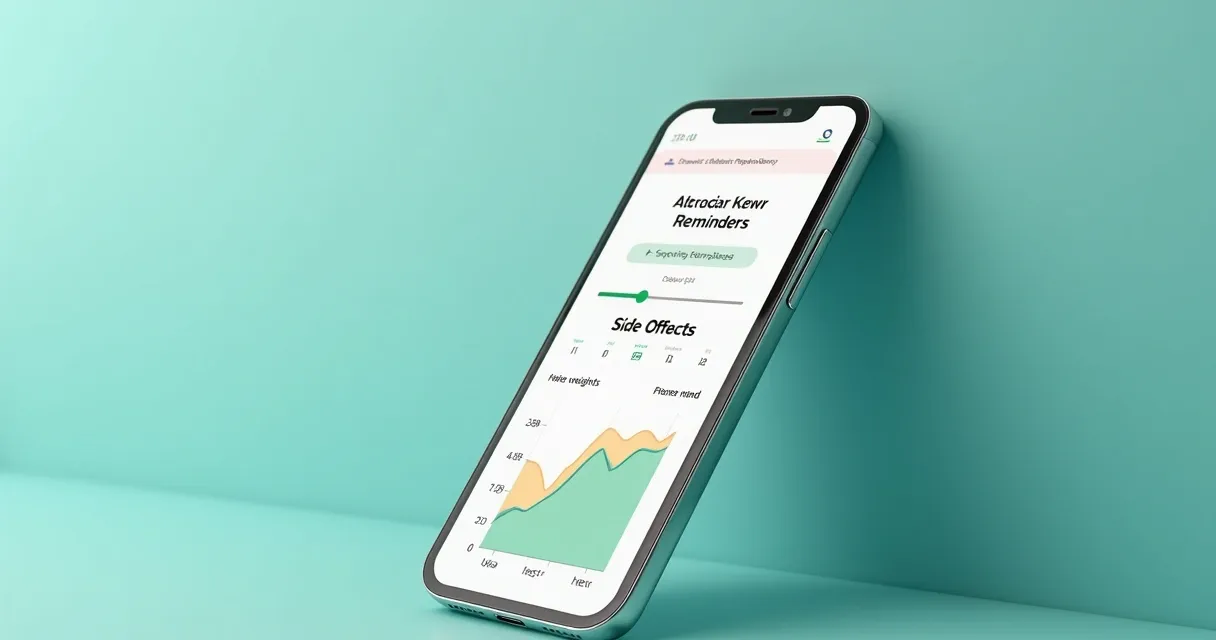
  • Custom reminders for medication timing help prevent missed doses that could disrupt the progress made with GLP-1 injectables.
  • Symptom and side effect tracking allows for the logging of gastrointestinal symptoms, headaches, or mood fluctuations, which is valuable for users to share with their doctors.
  • Weight and measurement entries that highlight medication milestones offer visual motivation and practical health feedback.
  • Personalized nutrition planning adapts as users report appetite changes or specific dietary needs, helping avoid deficiencies during periods of low intake.

GLP-1 medication tracking features on app

GLP-1 support features keep users empowered and in closer touch with their bodies and care teams, making it easier to adapt quickly and confidently as needs shift.

Privacy and data protection: keeping health personal

One question I am often asked is, “Are my sensitive health details secure inside a food tracker?” I believe privacy is non-negotiable in health technology.

With platforms like Mingo, all data stay on your phone by default, not on a cloud or external server. No data is sold to third parties. That brings peace of mind, especially for users concerned about sensitive medical data or who prefer a tech solution with total local privacy as a default.

Your health data belongs to you.

Transparency about where and how data is stored should always be a baseline expectation from any platform handling your medical information, especially as digital health becomes a norm.

Personalizing targets: mindful eating and structured planning

In my consultations with people on GLP-1 therapy, I’ve noticed many need new approaches to meal planning and eating habits. Appetite changes can happen rapidly. Sometimes, people find that what once felt like a simple habit, eating three meals daily, becomes confusing or even daunting.

What helps bridge this gap? The ability to adapt targets on the fly. Current food tracker apps allow users to:

  • Adjust calorie, protein, fiber, water, and micronutrient targets as needs shift.
  • Set and track custom goals, not just for weight and size, but also for consistency of logging or meeting hydration benchmarks.
  • Input behavioral goals, like “slow down eating,” “add one new vegetable per week,” or “log mood after meals” to promote mindful eating.

Personalized habit and nutrient tracking on health app

Rather than just following static plans, these functions encourage self-observation, trial and error, and ultimately, sustainable long-term change.

For a guide on how GLP-1 tracking and nutrient monitoring come together for maximum benefit, I recommend this nutrient tracking resource.

Habit tracking: building consistency and motivation

Lasting changes in body composition and health usually come from habits, not willpower or short-lived diets. I always encourage clients and readers to look for health apps that:

  • Offer streaks, badges, or visual encouragement for meeting daily or weekly activity, meal logging, or hydration goals.
  • Allow for small, realistic starting points, like logging just one meal a day or reaching for water at the same time each morning.
  • Provide gentle feedback or reminders anchored in positive reinforcement, rather than guilt or restriction.

Integrating medication tracking with these habit systems is particularly powerful for GLP-1 users, because the journey frequently lasts for months or longer. As chronic obesity management shifts toward long-term care plans, daily consistency becomes the cornerstone of reducing complications, muscle loss, and the frustration of mental or physical setbacks.

How food tracker functionality shapes user journeys

The impact of a well-designed food tracking platform goes beyond weight loss. In my reviews, I’ve seen that users on GLP-1 agents have three main types of goals:

  • Weight management, tracking meals, snacks, and activity in combination with GLP-1s where weight and wellness are monitored as a continuum over months.
  • Mindful eating, noticing appetite, hunger, satiety, mood changes, and emotional relationship to food in the context of these medications.
  • Specific nutrient targets, users with higher protein, fiber, or micronutrient concerns, which is vital for functioning well during periods of suppressed intake.

Personalization turns technology into transformation.

Tools like Mingo make these journeys less confusing, supporting users whether they’re new to GLP-1 therapy or returning after setbacks. I’ve noticed that robust food and symptom logging can make conversations with care teams more productive, more data means fewer unknowns, regardless of what phase you find yourself in along your health journey.

For readers interested in the science backing this approach, see the CDC’s data showing that in 2024, 26.5% of adults with diabetes were using GLP-1 injectables, with adoption highest among those aged 50–64 (further reading). Investment in digital and behavioral support for this growing population is already paying dividends.

GLP-1 medication surge and digital support

The use of GLP-1 medications is rising rapidly. Medicaid prescriptions have increased from 1.3 million in 2019 to 8.4 million in 2024, and spending has escalated to $8.6 billion. The relative increase in adults prescribed GLP-1 for obesity and overweight was nearly 600% in five years (pew study, healthcare finance news).

As clinical tools evolve, so do the resources we need to keep people engaged and informed across months and years, not just short sprints of enthusiasm. Digital platforms that bundle food, behavior, movement, and medication logging have become essential companions in this arena.

Conclusion: choose support that fits your journey

After two decades of covering nutrition and health technology, I am convinced that the best food tracker app is the one that fits your needs, protects your data, and evolves with your health journey. If you are using GLP-1 medications, having all your nutrition, symptoms, routines, and medication reminders in a single, privacy-first platform like Mingo not only supports daily choices but brings confidence back to your health process.

Change is possible. Consistency is within reach. Your personalized, protected, and user-friendly nutrition tracking companion is waiting. Experience what a nutrient-focused, GLP-1-aware app can do, and take the first step to building habits that last a lifetime. Download Mingo today and start creating your own plan, your way.

Frequently asked questions

What is a food tracker app?

A food tracker app is software designed to help users keep a daily record of foods and drinks consumed, track nutrient intake, and observe habits related to health and wellness. Modern apps offer various input methods (voice, picture, barcode), deliver tailored nutrition feedback, and may integrate with wearables for a broader view of overall health.

How does GLP-1 support work in apps?

GLP-1 support means the app offers medication reminders, symptom loggers, and features like mood or hydration tracking that match the unique needs of people taking GLP-1 drugs for weight loss or diabetes. It may adapt nutritional recommendations and logging prompts to encourage safe, optimized use of medication and promote healthy eating during appetite suppression.

Which food tracking app tracks nutrients best?

The most effective apps feature extensive food databases, easy entry methods, and focus on all relevant nutrients, especially protein, fiber, water, and micronutrients. Apps that let you set custom targets and provide feedback according to your medication, age, activity, and weight management plan ensure coverage for a variety of health goals.

Are food tracker apps worth using?

Yes, based on my experience and user feedback, food tracker apps remove friction from monitoring nutrition, create clarity, and help build consistent healthy habits. They are even more valuable for those on medical interventions like GLP-1s, where specific support for side effects and medication routines leads to better health outcomes and confidence.

How much do food tracker apps cost?

Costs vary. Many platforms offer a free version with basic logging and upgrade options for advanced analytics, habit tracking, or device integration. Mingo, for example, is available for free, allowing anyone to start tracking their health journey without a financial barrier. It is best to review features and privacy before committing to paid plans.

Download the app for iOS and Android and track your GLP-1 journey!