
GLP-1 medicines support weight loss by acting on the GLP-1 receptor, which helps regulate appetite and food intake, and by slowing how quickly the stomach empties. In clinical trials, people taking the approved weight-management versions lost more weight than people on placebo, but results vary and weight tends to return after the medicine is stopped. Only some GLP-1 drugs are approved for weight management; others are approved for type 2 diabetes. Your prescriber decides which fits you.
This article explains how the drugs work, which ones are approved for what, what the trial data show, and what to keep track of. Doses and side effects are for your prescriber to manage; we only describe what the labels say.
How GLP-1 medicines work
GLP-1 (glucagon-like peptide-1) is a hormone the gut releases after eating. GLP-1 receptor agonists such as semaglutide activate the same receptor. The Wegovy label explains that GLP-1 is a physiological regulator of appetite and calorie intake, and that GLP-1 receptors are present in brain areas involved in appetite regulation (Wegovy prescribing information, section 12.1). The same label notes the drug delays gastric emptying, which is also why it can affect how other oral medicines are absorbed (section 7.2).
Tirzepatide (Mounjaro, Zepbound) activates both the GIP and GLP-1 receptors, according to the Zepbound label (section 12.1).
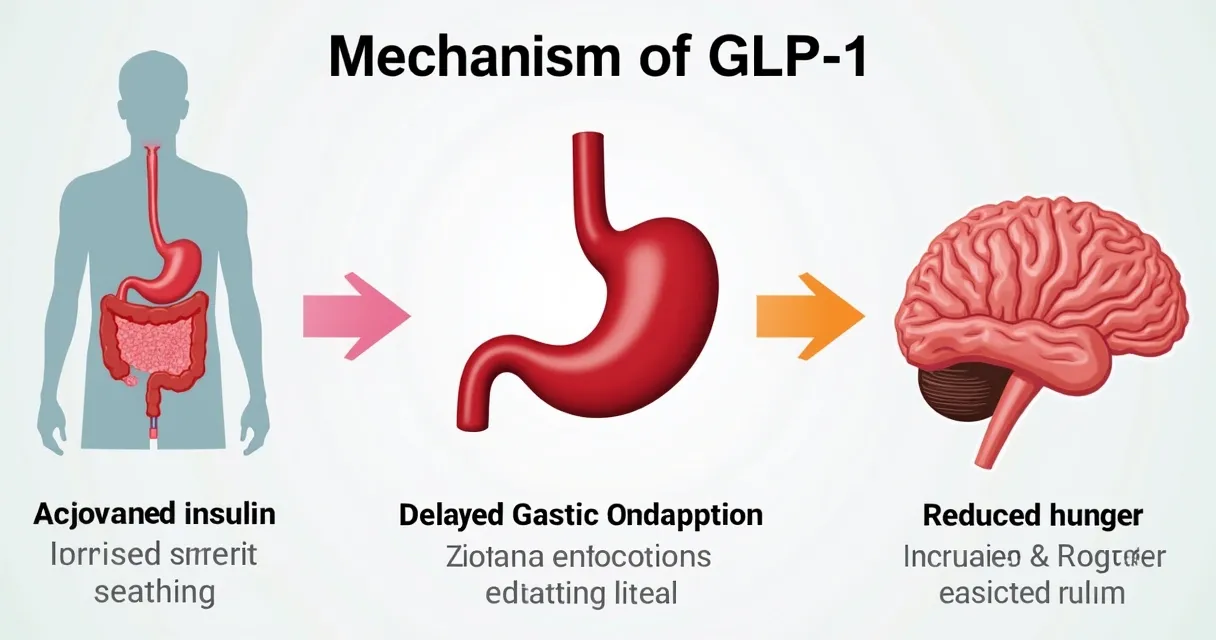
Which medicines use this pathway, and what are they approved for?
Brand names are often mixed up, so here is what each US label says. Ozempic and Wegovy contain the same ingredient but are approved for different uses.
| Brand | Active ingredient | Approved use (US label) | Dosing schedule | Form | Maker |
|---|---|---|---|---|---|
| Ozempic | semaglutide | Type 2 diabetes: blood sugar control; lower risk of major cardiovascular events and of kidney outcomes in certain adults with type 2 diabetes (label, section 1) | Once weekly | Injection | Novo Nordisk |
| Wegovy | semaglutide | Weight reduction and long-term maintenance in adults with obesity, or overweight plus at least one weight-related condition; lower cardiovascular risk in certain adults; MASH with liver fibrosis (label, section 1) | Once weekly injection, or a once-daily tablet | Injection and tablet | Novo Nordisk |
| Saxenda | liraglutide | Weight reduction and long-term maintenance (label, section 1) | Once daily | Injection | Novo Nordisk |
| Victoza | liraglutide | Type 2 diabetes (label, section 1) | Once daily | Injection | Novo Nordisk |
| Mounjaro | tirzepatide | Type 2 diabetes: blood sugar control; lower risk of major cardiovascular events in certain adults with type 2 diabetes (label, section 1) | Once weekly | Injection | Eli Lilly |
| Zepbound | tirzepatide | Weight reduction and maintenance; moderate to severe obstructive sleep apnea in adults with obesity (label, section 1) | Once weekly | Injection | Eli Lilly |
| Rybelsus | semaglutide | Type 2 diabetes (label, section 1) | Once daily | Tablet | Novo Nordisk |
| Foundayo | orforglipron | Weight reduction and long-term maintenance in adults with obesity, or overweight plus at least one weight-related condition (label, section 1) | Once daily | Tablet | Eli Lilly |
Weight loss with a drug approved for diabetes is an effect, not its labeled use; whether it’s appropriate for you is a decision for your prescriber. For the two semaglutide brands side by side, see Ozempic vs Wegovy, and for the tirzepatide equivalent, Zepbound vs Wegovy.
Who can use them?
Labels for the weight-management drugs describe adults with obesity, or adults with overweight who have at least one weight-related condition, used together with a reduced-calorie diet and more physical activity. The WHO defines obesity in adults as a body mass index (BMI) of 30 or higher (WHO). Wegovy and Saxenda also have indications for adolescents.
These drugs are not for everyone. Semaglutide and tirzepatide carry a boxed warning about thyroid C-cell tumors and are contraindicated in people with a personal or family history of medullary thyroid carcinoma or MEN 2. The Wegovy label says to stop it when pregnancy is recognized (Wegovy prescribing information, section 8.1). A prescriber has to check your history, medicines and goals.

What the evidence shows
Trial figures come from carefully selected groups who also received diet and activity advice. They are averages; individual results range widely.
| Drug and trial | Duration | Average weight change, drug | Placebo |
|---|---|---|---|
| Wegovy 2.4 mg weekly (adults with obesity or overweight and a condition) | 68 weeks | -14.9% | -2.4% |
| Zepbound 5 mg / 10 mg / 15 mg weekly (adults with obesity or overweight) | 72 weeks | -15.0% / -19.5% / -20.9% | -3.1% |
| Saxenda daily (adults with obesity or overweight and a condition) | 56 weeks | -7.4% | -3.0% |
| Foundayo 5.5 mg / 9 mg / 17.2 mg daily (adults with obesity or overweight and a condition, without diabetes) | 72 weeks | -7.4% / -8.3% / -11.1% | -2.1% |
Sources: Wegovy label, Table 8 (PDF); Zepbound label, Table 2 (PDF); Saxenda label, Table 4 (PDF); Foundayo label, Table 6 (PDF). Across different trials, results in people with type 2 diabetes were smaller; the Wegovy label reports -9.6% against -3.4% in that group.
Meta-analyses of randomized trials point the same way. A 2025 analysis of 47 trials (23,244 people) found GLP-1 drugs reduced weight by 4.57 kg more than placebo on average (Diabetes Care). A meta-analysis in adults without diabetes reported a pooled 12.79% greater weight reduction than controls, with tirzepatide (17.03%) above semaglutide (11.37%), but the trials differ widely in design (PMC). The figures in the tables come from separate trials, not head-to-head comparisons.
Why long-term use matters
Obesity is a chronic condition, and the evidence on stopping is consistent. In the STEP 1 extension, people who had lost 17.3% on semaglutide 2.4 mg regained 11.6 percentage points of that weight in the year after stopping, about two-thirds of the loss (Diabetes, Obesity and Metabolism). In the Zepbound label’s randomized withdrawal study, people switched to placebo after 36 weeks gained 14.0% on average over the next 52 weeks, while those who continued lost another 5.5% (Zepbound label, Table 6).
The WHO’s 2025 guideline treats obesity as a chronic, relapsing disease and conditionally recommends GLP-1 therapies for long-term treatment in adults, noting limited data on long-term efficacy and safety, maintenance and discontinuation (WHO). It also says behavioral support, including healthy diet and physical activity, may be offered with these medicines.
Side effects, briefly
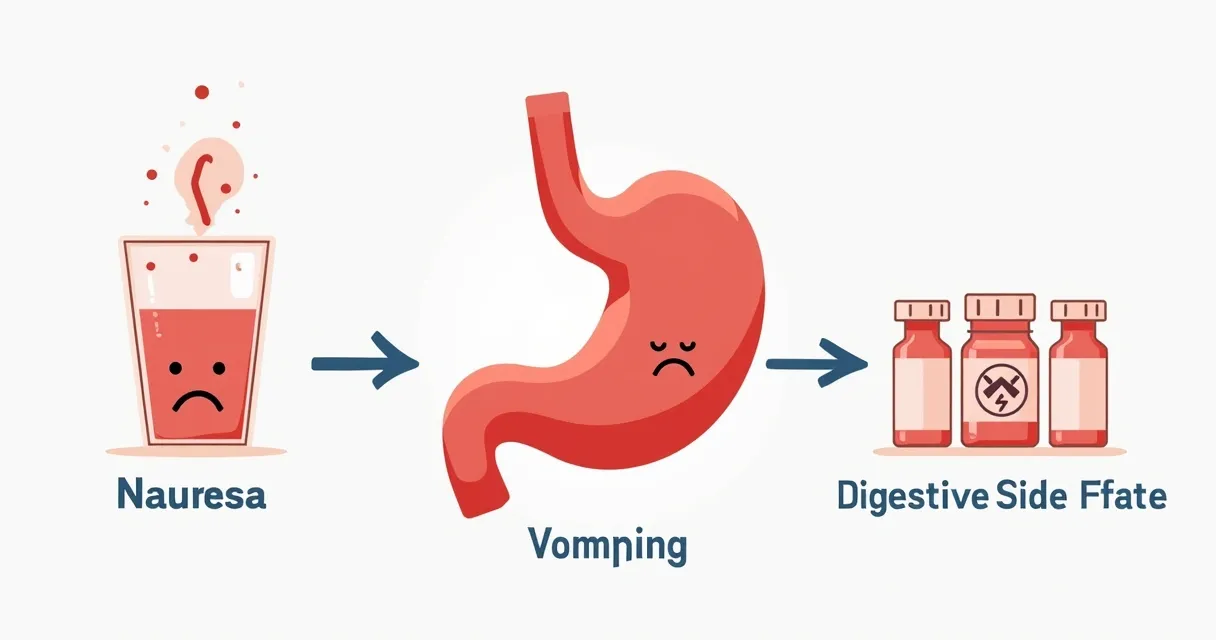
Digestive effects are the most common. In the Wegovy label’s weight-management trials, 44% of people on 2.4 mg weekly reported nausea (16% on placebo), 30% diarrhea (16%), 24% vomiting (6%) and 24% constipation (11%) (Wegovy label, Table 3). The label also lists warnings for pancreatitis, gallbladder disease, low blood sugar (mainly with diabetes medicines) and kidney injury from dehydration. Talk to your prescriber about anything severe or lasting. The full picture is in GLP-1 side effects: what to expect and how to manage them.
Cost, access and stigma
Price and coverage vary by country and insurer, and we don’t quote prices because they change. The WHO says current costs, health-system readiness and equity are reasons its recommendation is conditional, and projects these therapies will reach fewer than 10% of those who could benefit by 2030 (WHO). If cost is a barrier, ask your prescriber about the options available where you live.

What to track
A simple log gives your prescriber something concrete to work from: injection day and dose, side effects and when they started, meals with protein and fluids, and weight measured the same way each time.
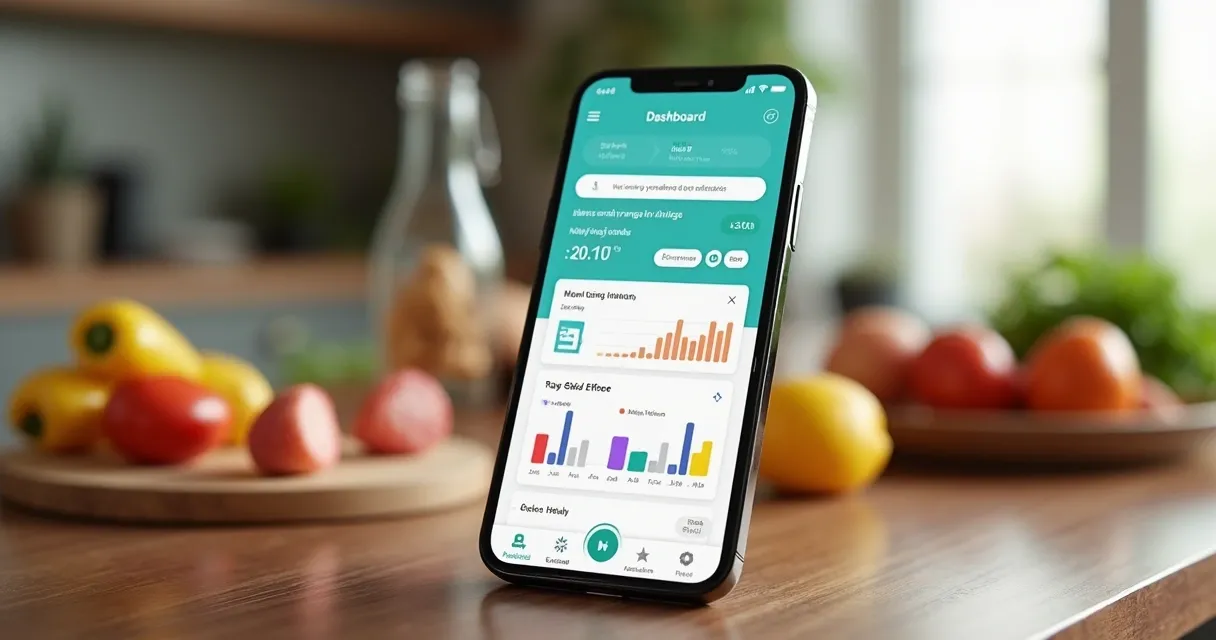
Mingo is a GLP-1 tracker for iPhone and Android where you can log shots and doses, food and protein, side effects and weight in one place. It doesn’t replace your doctor or give medical advice. Get the app, or see how a food tracker with GLP-1 support can work alongside it.



Key takeaways
- GLP-1 medicines act on a receptor that helps regulate appetite; tirzepatide also acts on the GIP receptor.
- Wegovy, Zepbound, Saxenda and Foundayo are the labeled weight-management options here; Ozempic, Mounjaro, Victoza and Rybelsus are labeled for type 2 diabetes.
- Trial averages are real but individual results vary, and weight tends to return after stopping.
- Digestive side effects are the most common; discuss anything severe with your prescriber.
- A log of doses, symptoms, food and weight makes appointments more useful.
Frequently asked questions
What is GLP-1 and how does it work?
GLP-1 is a hormone released by the gut after eating that helps regulate appetite and food intake. GLP-1 medicines activate the same receptor and also slow stomach emptying, which is why they reduce hunger and can cause digestive side effects.
How effective is GLP-1 for weight loss?
In the trials on the Wegovy, Zepbound and Saxenda labels, people on the drugs lost more weight than people on placebo, with Zepbound at its higher doses showing the largest average loss. Your own result will differ, and it depends on the drug, dose, how long you take it and your habits.
Are there side effects with GLP-1 medications?
Yes. The most common are nausea, diarrhea, vomiting and constipation, and the labels also warn about pancreatitis, gallbladder problems and dehydration-related kidney injury. Contact your prescriber about severe or persistent symptoms.
How much do GLP-1 treatments cost?
It varies widely by drug, country, insurance and whether the use is approved for your condition, and prices change often. Your prescriber or pharmacist can tell you current options.
Where can I get GLP-1 prescriptions?
These are prescription medicines. A licensed prescriber such as a primary care doctor or an endocrinologist can assess whether one is appropriate for you. Be cautious about sources that sell them without a prescription.


