
Zepbound (tirzepatide) is a once-weekly injection that activates both the GIP and GLP-1 receptors. The FDA has approved it, together with a reduced-calorie diet and more physical activity, to reduce excess body weight and maintain the reduction in adults with obesity, or with overweight and at least one weight-related condition, and to treat moderate to severe obstructive sleep apnea in adults with obesity. It is a prescription medicine with real warnings, so a prescriber decides if it is right for you (Zepbound prescribing information, section 1).
This guide covers what the label says about how it is used, what trials found, and the main safety points. It is general information, not medical advice.
How Zepbound works
Zepbound is a GIP and GLP-1 receptor agonist (label, section 1). In plain terms, it acts on two gut-hormone pathways involved in appetite and blood sugar. The label also notes that Zepbound delays gastric emptying (section 5.9), which is why it can affect how other oral medicines are absorbed (section 7.2) and why stomach side effects are common.
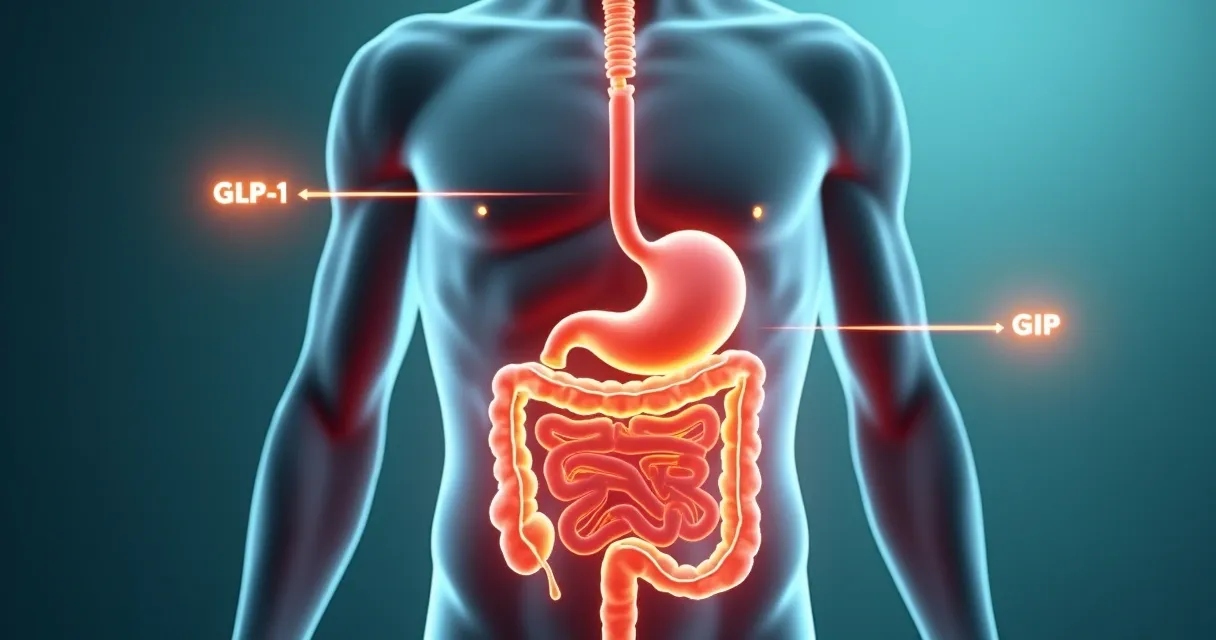
Tirzepatide is also the active ingredient in Mounjaro, which is approved for type 2 diabetes. For how it compares with a semaglutide drug, see Zepbound vs Wegovy, and for the drug itself in more depth, see tirzepatide: weekly injection for weight loss.
Who it is approved for
Per the label, Zepbound is indicated for:
- Weight reduction and long-term maintenance in adults with obesity, or adults with overweight who have at least one weight-related comorbid condition.
- Moderate to severe obstructive sleep apnea (OSA) in adults with obesity.
In the main weight trials, “obesity” meant a BMI of 30 or higher, and “overweight” a BMI from 27 to under 30, with at least one condition such as dyslipidemia, hypertension, sleep apnea or cardiovascular disease (label, section 14.1). Zepbound should not be combined with other tirzepatide products or any GLP-1 receptor agonist.
It is contraindicated with a personal or family history of medullary thyroid carcinoma, with Multiple Endocrine Neoplasia syndrome type 2, or after a known serious hypersensitivity reaction to tirzepatide or its ingredients (section 4). It may cause fetal harm, and the label says to discontinue it when pregnancy is recognized (section 8.1).
Dosing in brief
The starting dose is 2.5 mg injected under the skin once weekly for 4 weeks. The dose can then rise in 2.5 mg steps after at least 4 weeks on each dose. Maintenance doses for weight management are 5, 10 or 15 mg weekly, and 15 mg is the maximum (label, section 2). The full schedule, a table and the missed-dose rule are in the Zepbound dosage schedule guide. Injection can be in the abdomen or thigh (or the back of the upper arm, given by another person), and you rotate sites with each dose. Zepbound comes in single-dose pens and vials, multi-dose vials and a KwikPen, and your prescriber or pharmacist should train you on the form you receive.
What the trials found
In Study 1, adults with obesity or overweight without type 2 diabetes received Zepbound or placebo for 72 weeks, along with a reduced-calorie diet and activity counseling. Average body weight change from baseline was -15.0% at 5 mg, -19.5% at 10 mg and -20.9% at 15 mg, versus -3.1% with placebo. In adults with type 2 diabetes (Study 2), the figures were -12.8% at 10 mg and -14.7% at 15 mg versus -3.2% with placebo (label, Table 2).
These are averages in trial participants who received lifestyle support, and people differ widely. The label also reports a withdrawal study: after 36 weeks on tirzepatide, people who continued it lost a further 5.5% on average by week 88, while those switched to placebo regained 14.0% (Table 6). That is one reason weight management drugs are treated as long-term therapy, with the decision to stop made with your prescriber.
Side effects and safety
Gastrointestinal reactions were the most common. In the pooled weight trials, they occurred in 56% of people on Zepbound versus 30% on placebo, and most nausea, vomiting and diarrhea happened during dose escalation and decreased over time. The most common individual reactions at the 5, 10 and 15 mg doses were nausea (25%, 29%, 28%), diarrhea (19%, 21%, 23%), constipation (17%, 14%, 11%) and vomiting (8%, 11%, 13%), versus 8%, 8%, 5% and 2% on placebo (label, section 6.1). Other reactions reported in 5% or more of patients include abdominal pain, dyspepsia, injection site reactions, fatigue, hypersensitivity (allergic) reactions, burping, hair loss and gastroesophageal reflux.
The label’s warnings include:
- Thyroid C-cell tumors seen in rats (boxed warning). It is unknown whether this occurs in humans.
- Severe gastrointestinal reactions; not recommended in severe gastroparesis.
- Acute kidney injury linked to dehydration from vomiting or diarrhea.
- Acute gallbladder disease and acute pancreatitis. Persistent severe abdominal pain, sometimes spreading to the back, needs medical attention.
- Serious hypersensitivity reactions, hypoglycemia (especially with insulin or sulfonylureas), and worsening diabetic retinopathy in people with type 2 diabetes.
- Pulmonary aspiration during anesthesia or deep sedation: tell your care team before any planned procedure.
Females using oral contraceptives are advised to switch to a non-oral method, or add a barrier method for 4 weeks after starting and after each dose increase. Tell your prescriber about every medicine you take, and contact them if side effects are severe or lasting. For everyday coping tips, see GLP-1 side effects: what to expect and how to manage them.
Making the most of treatment
The label says to use Zepbound with a reduced-calorie diet and increased physical activity. In the trials, participants had a diet of about 500 kcal/day below their needs and at least 150 minutes a week of activity recommended, plus behavior counseling. Beyond that, the practical habits are ones you can discuss with your care team: enough fluids, since dehydration is a listed risk, regular meals with enough protein, and a record of how you feel after dose changes.
Tracking, costs and getting it safely
Mingo is a GLP-1 tracker for iPhone and Android that logs shots and doses, food and protein, side effects and weight in one place. It does not replace your doctor. Get the app.
Zepbound requires a prescription from a licensed provider. Cost depends on your country, insurance and pharmacy, and we do not quote prices. The FDA warns that illegally sold tirzepatide and semaglutide products can contain the wrong ingredients or too little, too much or no active ingredient, and urges buying only from state-licensed pharmacies (FDA).

Key takeaways
- Zepbound (tirzepatide) is a weekly GIP and GLP-1 receptor agonist approved for weight management and for moderate to severe sleep apnea in adults with obesity.
- Dosing starts at 2.5 mg and rises in steps; maintenance is 5, 10 or 15 mg weekly.
- Trials reported average weight loss of 15% to 21% at 72 weeks without type 2 diabetes, with lifestyle support; results vary.
- Stomach side effects are most common while the dose is rising; the label also lists pancreatitis, gallbladder, kidney and thyroid-related warnings.
- Use it under prescriber supervision, and get it only from licensed sources.
Frequently asked questions
What is Zepbound and how does it work?
Zepbound is a once-weekly injection of tirzepatide, which activates GIP and GLP-1 receptors. It is approved for weight reduction in adults with obesity or overweight plus a weight-related condition, and for moderate to severe sleep apnea in adults with obesity.
How safe is Zepbound for weight loss?
It has an FDA-approved label with a boxed warning about thyroid C-cell tumors seen in rats and several other warnings, including pancreatitis, gallbladder disease and dehydration. Whether it is safe for you depends on your history and your other medicines, which your prescriber reviews.
What are the main side effects of Zepbound?
Nausea, diarrhea, vomiting, constipation, abdominal pain, dyspepsia, injection site reactions, fatigue, allergic reactions, burping, hair loss and acid reflux were the most common in trials. Gastrointestinal effects mostly occurred during dose escalation and decreased over time. Contact your prescriber about severe or lasting symptoms.
How much does Zepbound cost?
It varies by country, insurance and pharmacy, and prices change. Ask your prescriber and pharmacist about coverage for your dose and form.
Where can I get Zepbound injections?
With a prescription from a licensed healthcare provider, filled at a state-licensed pharmacy. Avoid products sold online without a prescription: the FDA warns that illegally marketed versions can be counterfeit or contain the wrong amount of drug.


