
For a long time, I wondered about the conversation surrounding weight loss pills, prescription shots, and their true role in the treatment of obesity. I’ve spent years researching solutions that claim to help people manage their weight, and as new options appear—such as GLP-1 injectables like semaglutide and tirzepatide—I find even more questions from friends, family, and readers. Who meets the eligibility for these medications? What are the long-term expectations, real safety considerations, and why is tracking progress so pivotal?
In this article, I aim to give you a thorough and realistic look at the main types of weight management medications, weighing what science and clinical experience show. I include the latest on medications such as semaglutide and tirzepatide, discuss medical supervision and possible risks, and reinforce why lifestyle changes and tools, like Mingo, matter for lasting health.
Understanding weight loss medications today
Despite popular belief, there isn’t just one type of weight loss pill.
- Prescription oral medications—often simply called “diet pills.”
- Injectable therapies, with a focus on the GLP-1 class (such as semaglutide, liraglutide, and tirzepatide).
- Other options, including over-the-counter solutions and supplements (which I strongly caution about in terms of safety and efficacy).
Both pills and GLP-1 shots are designed for adults who have obesity or specific weight-related health issues, but they work differently and suit different people. At the same time, both are meant to be tools—used with lifestyle and behavioral changes—not “magic bullets.”
No medication replaces personal habits.
If you are considering pills or injections, medical guidance is non-negotiable, and a trustworthy data-tracking tool like Mingo can be a cornerstone of safe, ongoing management.
The science: Mechanisms of action
How oral weight management medications work
Prescription oral weight loss medications differ in their active compounds and biological targets. Generally, they may:
- Reduce appetite or increase satiety (fullness).
- Block absorption of fat.
- Sometimes, increase energy expenditure.
The main effect of most modern prescription pills is appetite suppression, often working in the brain to influence hunger hormones or neurotransmitters. The result? People tend to eat less, which can contribute to a calorie deficit and weight loss as part of a larger treatment plan.
How GLP-1 injections act in the body
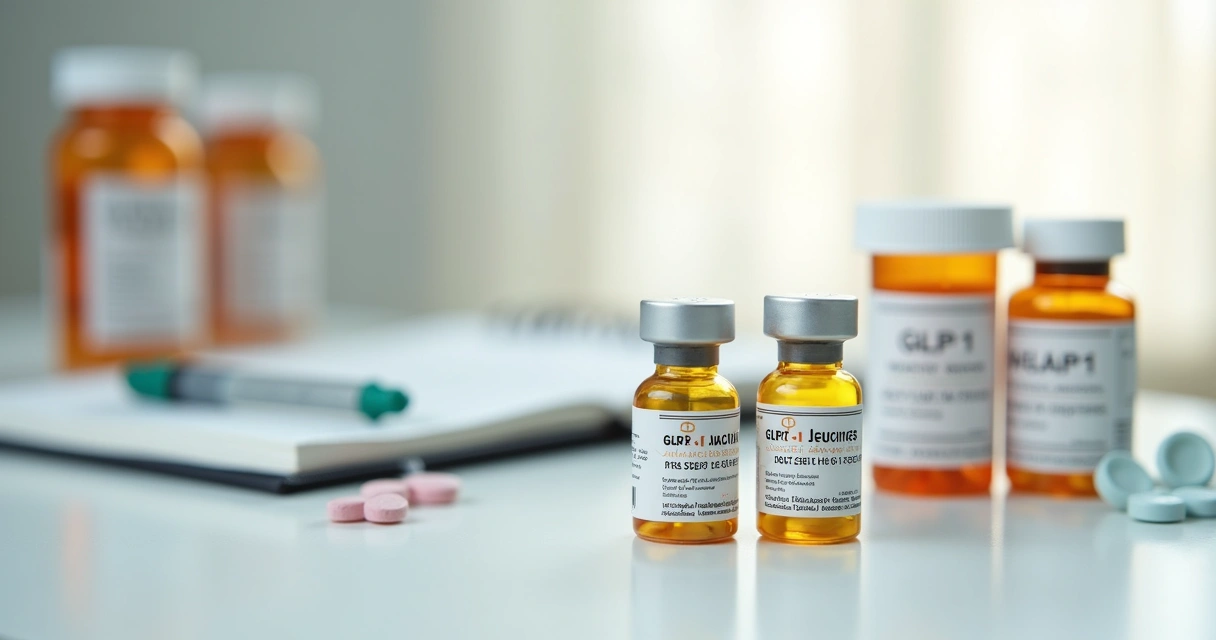
GLP-1 (glucagon-like peptide-1) receptor agonists are prescription-only injections originally developed to treat type 2 diabetes but now widely recognized for their significant impact on weight. They mimic a gut hormone that helps control blood sugar and appetite. These drugs slow digestion, increase feelings of fullness, and consequently help you eat less. Newly popular options include:
- Semaglutide
- Liraglutide
- Tirzepatide
Among GLP-1s, semaglutide has made headlines because clinical trials have shown weekly doses can lead to up to 17% loss of body weight at 68 weeks when supported by proper lifestyle modifications.
Eligibility criteria and intended users
I often hear confusion about who actually qualifies for weight reduction medication. The answer depends on current health, medical risks, and previous weight management attempts.
Prescription pills: Eligibility basics
- Usually recommended for adults with a Body Mass Index (BMI) of 30 or above (obesity).
- Sometimes allowed for those with a BMI of 27 or more who also have related health conditions, like type 2 diabetes, hypertension, or sleep apnea.
- Only prescribed after failing to achieve significant weight loss through diet and exercise alone.
- Full prescription requires close medical monitoring due to risks and side effects.
GLP-1 receptor agonists: Who should consider them?
- Generically, people with a BMI of 30 or above, or a BMI of 27 or above with weight-related complications.
- Individuals with type 2 diabetes who need better blood sugar control and additional weight management.
- Patients who have not achieved desired weight loss from non-pharmaceutical approaches alone.
- People at high risk of obesity-related diseases, aiming to reduce their risk with medication support.
GLP-1 agonists are not for people with certain health conditions, including a history of some kinds of thyroid cancer or pancreatitis, and they are not indicated for people trying to lose small amounts of weight for cosmetic reasons. Always discuss your history in full with a provider.
Weight loss expectations: What long-term studies show
One striking reality: No pill or injection is meant to be used forever without careful re-evaluation. Clinical trial evidence suggests a significant segment of weight lost during injectable therapy can be regained if treatment is stopped. A systematic review found that two-thirds of semaglutide-induced weight loss was regained after stopping the drug.
For oral medications, average weight loss is generally lower than for modern GLP-1 shots, but results can still be meaningful and are best maintained with sustained nutrition and exercise adjustments.
The key to lasting progress with any weight control therapy is a commitment to ongoing monitoring and lifestyle change, not just a course of pills or injections.
In my own experience with clients, I’ve found people do best when they use technology like Mingo in combination with medical advice to keep tabs on their dosages, side effects, and holistic health.
Consistent tracking makes staying on course much easier.
Effectiveness: How much weight can people expect to lose?
Here are the typical effectiveness results.
- GLP-1 injections: Weekly use of 2.4 mg semaglutide can produce roughly 17% weight loss in just over a year, according to clinical trial data. The benefit tends to be larger than what is seen for most prescription oral agents.
- Liraglutide, another injectable, has shown that more than 75% of users achieve at least 5% weight loss, with more than 40% reaching 10% or more—results that are significant in terms of risk reduction for diabetes and cardiovascular events. Data from a multicenter national study support these observations.
- Tirzepatide is very promising, with studies indicating moderate weight loss, but with some side effects still being clarified in ongoing real-world research.
- Prescription pills: Typically result in about 5-10% total body weight loss over 6-12 months if combined with lifestyle changes.
Surveys have found that among U.S. adults, more than 11% report using GLP-1 agonists, with the highest rates among people aged 50-64, especially women. Reports also show a sharp rise in overall use year-over-year since 2018, reflecting increased public and medical acceptance of these drugs in obesity care (CDC, 2024, PMC survey, NCBI/NIH analysis).
Mechanism and safety: How GLP-1 and weight loss pills differ
GLP-1 receptor agonists have a physiological effect that is different from older appetite suppressant pills: they mimic a gut hormone, slow gastric emptying, lower appetite, and can even affect how the brain perceives hunger and cravings . Oral drugs, on the other hand, often work through neurotransmitter changes at the brain or via interactions in the intestinal tract to reduce fat absorption or caloric intake.
This means the risk and side effect profile can be quite different. One example: GLP-1s often cause digestive symptoms, especially at the start.
Possible side effects and safety considerations
No medication is completely free from side effects. In fact, tolerability is a major reason for the close medical supervision required when using any prescription agent.
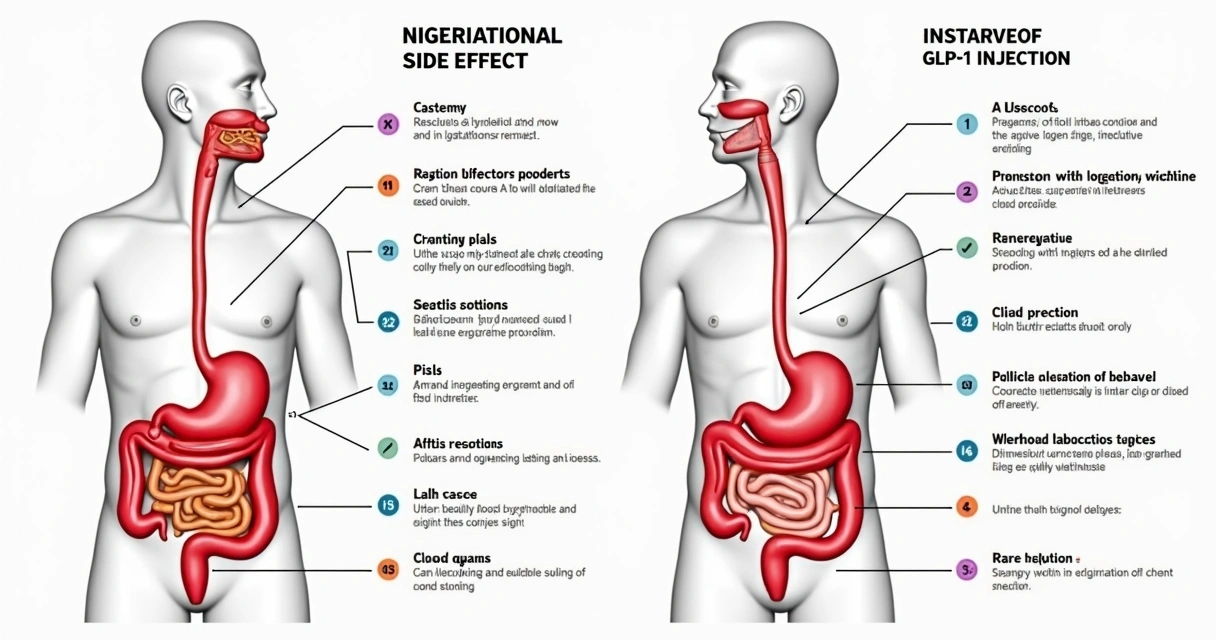
- GLP-1 injections can cause nausea, vomiting, diarrhea, and constipation. About half of people experience some kind of digestive upset, which commonly fades over time. Rarely, more serious events (like pancreatitis or possible thyroid issues) may be possible, but these are still undergoing extensive research. In extremely rare cases, a condition called non-arteritic anterior ischemic optic neuropathy (NAION) may occur, though incidence is estimated at less than 1 in 10,000, and it’s unclear which drugs truly raise this risk.
- Prescription pills vary, but often cause side effects such as dry mouth, insomnia, elevated heart rate, or gastrointestinal disturbances. Fat-blocking pills may cause oily stools or bloating. There is also a risk of elevated blood pressure or even heart complications in some users.
Any unusual or severe symptoms when starting a weight management medication should be reported to a doctor right away. Never continue self-treatment without ongoing medical input.
Long-term use, discontinuation, and maintenance
One consistent message I want to share: The long-term success of both weight loss pills and GLP-1 injections depends not only on the medication but on ongoing care and data monitoring. Clinical recommendations today emphasize use for 6 months or longer, typically as part of a multidisciplinary chronic care approach, especially for those with high BMI or weight-related health risks. Most studies are based on one year or more of use.
Stopping therapy is a nuanced discussion. For GLP-1s, evidence is limited, but a considerable portion of lost weight may come back after discontinuation without strong lifestyle support. The reality is that managing obesity is usually a lifelong process, even if the tools change over time.
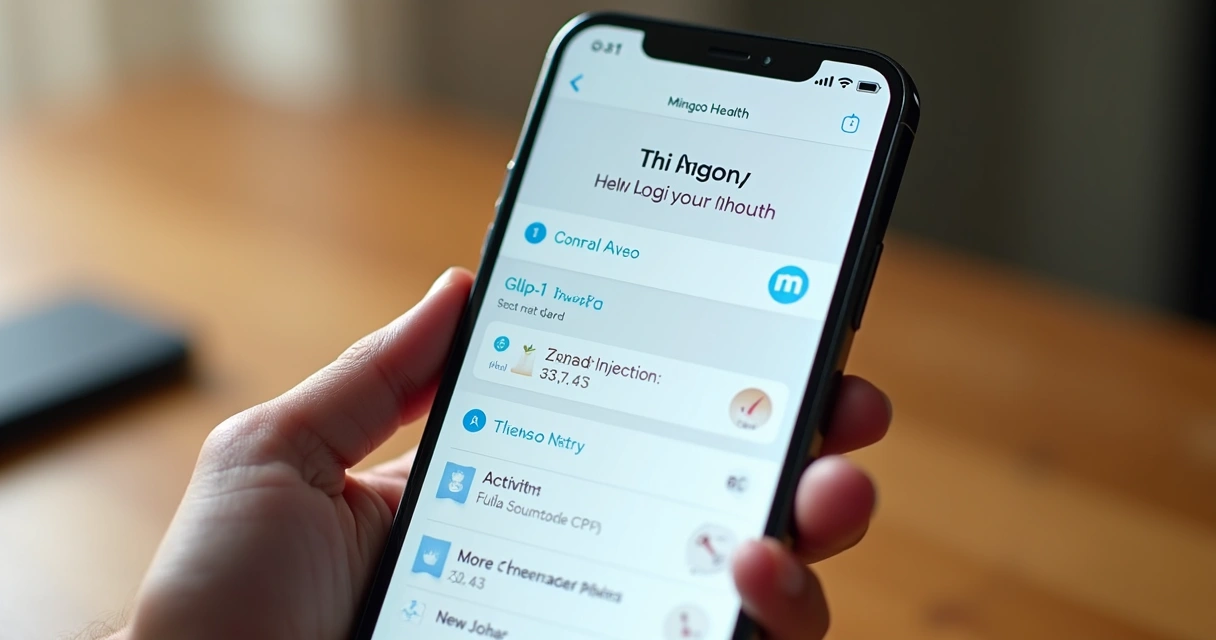
That’s why I see so much value in digital tools like Mingo, where users can document injections, meals, moods, and side effects. Tracking this information helps doctors and users spot patterns, avoid missed doses, and respond to concerning symptoms instantly, which is key for long-term safety and adherence.
Track, report, and adjust: repeat for true progress.
Practical guidance: Lifestyle changes and behavioral support
Both clinical evidence and my personal experience show that adding behavioral counseling and regular habit tracking is the cornerstone for real change, especially if you choose a medical aid like a weight loss pill or GLP-1 injection.
- Context-appropriate counseling about diet, daily movement, and emotional triggers remains fundamental—before, during, and after medication use.
- Regularly updating a food and side effects log, like in Mingo, gives both patients and providers a real view of what’s happening over time.
- Incorporating fiber, protein, water, and activity monitoring increases overall well-being and helps people stick to their new behaviors long after the initial treatment phase.
- Frequent follow-up visits ensure the right dosage, help address side effects, and guide slow adjustments as necessary.
Relevant resources on the core principles of a healthy diet and lifestyle are thoroughly covered in the World Health Organization guidance, but the most actionable step anyone can take is to begin now—track meals and activity, and work closely with your doctor whenever you’re starting, stopping, or adjusting medication.
For more on this, a great resource is my article about choosing weight loss aids, which walks through considerations around individual medications and behavioral change.
Important warnings: Non-prescribed and counterfeit drugs
It has become more common to come across non-prescribed “weight loss pills” or counterfeit injectables advertised online or through informal channels. These can be ineffective or even dangerous, containing incorrect doses or undisclosed substances. I strongly urge anyone seeking medical treatment to only use FDA or equivalent health authority-approved medications, prescribed by a licensed provider.
Counterfeit and counterfeit-like products can do harm, delay true progress, and even mask dangerous health conditions that require prompt medical care.
If you want to learn more about the differences between regulated supplements, prescription weight-control medications, and injectable therapies, see my comprehensive comparison at supplements vs. injections.
Semaglutide and tirzepatide: What’s new?
Over the past few years, semaglutide and tirzepatide have become some of the most discussed injectable agents in obesity management. What’s remarkable about semaglutide is the high percentage of people achieving weight loss comparable to bariatric surgery outcomes, when paired with strong medical and lifestyle support. Tirzepatide is also gaining fast interest, showing potent effects with possibly manageable side-effect profiles, but more data are still accumulating about its long-term safety and relative benefits.
For those looking to understand more about these new medications and what role they might play in personal weight care strategies, the GLP-1 injections guide on my blog provides a helpful walkthrough of mechanisms, real-user stories, and common questions.
Why use a tracking app with medication?
This is a question I get almost every week. Keeping precise records of doses, side effects, and daily health changes has several key benefits:
- Enhances safety by reducing the risk of missed or incorrect doses.
- Improves adherence to doctor’s instructions and scheduled visits.
- Empowers the user to spot early signs of problematic reactions (digestive issues, mood changes, etc.).
- Helps maintain focus on habits that support sustained progress (sleep, mood, water intake).
- Provides real evidence that can guide medication adjustments, minimize side effects, and boost effectiveness.
Mingo was built to address these needs, offering features for injection reminders, meal tracking, water and protein intake, activity, mood monitoring, and seamless connection with Apple Health—all while keeping your data fully private and local to your phone.
With more people turning to prescription medications, keeping an eye on the big picture of health matters more than ever.
Who should avoid these treatments?
Not everyone is a candidate for a weight loss pill or a GLP-1 injection. People with a personal or family history of certain cancers (like medullary thyroid carcinoma), those with existing or recurring pancreatitis, or those with severe gastrointestinal diseases are generally advised against these therapies. Pregnant or breastfeeding women should also not use GLP-1s or most prescription pills for weight loss. The same caution applies to anyone taking medications that could dangerously interact with prescribed weight control agents—always provide a complete medication list to your provider.
Cost, access, and health equity
The cost and access to prescription medications—including GLP-1s—vary dramatically across countries and even within local healthcare systems. Many insurance plans may not cover newer therapies, and out-of-pocket costs can be substantial, sometimes limiting who is able to access these drugs. Discussions around health equity and fair pricing are ongoing in both clinical and policy circles worldwide.
If finances are a barrier, don’t hesitate to seek input from your provider on alternative care strategies and to check eligibility for coverage plans and voucher programs where available.
My conclusions and advice for your next steps
In my 20 years researching and writing about medical weight management, I’ve seen advances that truly improve the lives of people living with obesity, especially those at higher risk of weight-related health problems. GLP-1 injectables and prescription pills are both effective, but only when combined with lasting lifestyle change and attentive medical tracking. The right choice is always individual, guided by a physician, and supported by reliable tracking tools like Mingo.
If you want to deepen your research, check out my article on the benefits and risks of weight loss pills for a grounded look at what to expect and how to optimize your chances for safe, sustainable results. If you’re ready to gain control with a practical, privacy-focused app, try Mingo today and see the difference in your own weight management journey.
Frequently asked questions
What are weight loss pills?
Weight loss pills are prescription or over-the-counter drugs designed to help reduce body weight. They work in various ways (such as by suppressing appetite or blocking fat absorption), most often as part of a supervised program for people with obesity or certain weight-related conditions.
How do GLP-1 injections work?
GLP-1 injections mimic the action of a natural gut hormone, increasing feelings of fullness and reducing hunger, while also promoting lower blood sugar. They are usually taken once weekly and have been shown to cause significant weight loss for many users when combined with lifestyle changes.
Are weight loss pills safe?
Prescription weight loss pills, when used under medical supervision, are generally safe for their intended audience, but all medications carry some risk of side effects. Common ones include nausea, insomnia, and stomach discomfort. Unregulated or counterfeit pills can be dangerous and should never be used.
Which is better, pills or injections?
Neither is universally “better”—choice depends on individual health needs, response to therapy, potential side effects, and access. GLP-1 injections typically deliver greater average weight loss but may not suit everyone. The decision should always be made with a healthcare provider.
How much do weight loss pills cost?
Cost varies widely: some pills are generic and affordable, while newer injectables can be expensive and may not be fully covered by insurance. Always check with your provider and insurance. Financial aid or coupon programs may be available in some locations.