
Neither is simply better. Prescription weight loss pills and GLP-1 injections are both approved for adults with obesity, or with overweight plus a weight-related condition, and both are meant to be used with a reduced-calorie diet and more physical activity. They differ in how they work, how often you take them and what risks they carry. Which one fits depends on your health history, so the choice belongs with your prescriber. The labels below show how they differ.
“Pill” is not one category. It covers older appetite or fat-absorption drugs and, more recently, oral GLP-1 medicines: semaglutide as Wegovy tablets and orforglipron as Foundayo. “GLP-1 injection” covers a daily drug (liraglutide), weekly semaglutide, and weekly tirzepatide, which acts on GLP-1 and GIP receptors. Mixing these up is where most confusion starts, so this guide compares them side by side and sticks to what the FDA-approved labels say.
Side-by-side comparison
| Drug | Active ingredient | Approved use | Dosing | Form | Maker |
|---|---|---|---|---|---|
| Wegovy tablets | semaglutide | Weight reduction and cardiovascular risk reduction in adults (label, sections 1 and 2.3) | Once daily; starts at 1.5 mg, steps up every 30 days to 25 mg | Oral tablet | Novo Nordisk |
| Wegovy injection | semaglutide | Weight reduction and cardiovascular risk reduction; also other labeled uses (label, section 1) | Once weekly; starts at 0.25 mg, usual maintenance 2.4 mg | Injection pen | Novo Nordisk |
| Foundayo | orforglipron | Weight reduction in adults with obesity, or overweight plus a weight-related condition (label, section 1) | Once daily, with or without food; starts at 0.8 mg, steps up after at least 30 days on each dose, maximum 17.2 mg | Oral tablet | Eli Lilly |
| Zepbound | tirzepatide | Weight reduction in adults with obesity or overweight plus a comorbidity; moderate to severe sleep apnea in adults with obesity (label, section 1) | Once weekly; starts at 2.5 mg, maintenance 5, 10 or 15 mg | Injection (pen, vial, KwikPen) | Eli Lilly |
| Saxenda | liraglutide | Weight management (label) | Once daily; recommended dose 3 mg | Injection pen | Novo Nordisk |
| Rybelsus | semaglutide | Type 2 diabetes, not weight loss (label, section 1) | Once daily; 3 mg, then 7 mg, then 14 mg if needed | Oral tablet | Novo Nordisk |
| Contrave | naltrexone + bupropion | Weight reduction in adults (DailyMed label, section 1) | Twice daily; reaches 2 tablets in the morning and 2 in the evening by week 4 | Extended-release tablet | Nalpropion Pharmaceuticals |
| Qsymia | phentermine + topiramate | Weight reduction in adults and in patients 12 and older with obesity (DailyMed label, section 1) | Once daily in the morning; starts at 3.75 mg/23 mg for 14 days, then 7.5 mg/46 mg | Extended-release capsule | Vivus |
| Xenical | orlistat | Obesity management and reducing weight regain (DailyMed label, section 1) | One 120 mg capsule three times a day with main meals containing fat | Capsule | H2-Pharma |
Rybelsus is in the table because it is often mistaken for a weight loss pill. Its label lists blood sugar control and cardiovascular risk reduction in adults with type 2 diabetes, and the same label now also covers Ozempic tablets (1.5, 4 and 9 mg), which are likewise for type 2 diabetes. The oral semaglutide approved for weight is Wegovy tablets; see Wegovy pill: use, benefits and side effects and Rybelsus: how it works.
How they work
GLP-1 and GIP/GLP-1 drugs. Semaglutide and liraglutide are GLP-1 receptor agonists; tirzepatide activates both the GIP and GLP-1 receptors (Zepbound label, section 1). They mimic gut hormones involved in appetite and blood sugar, and they delay gastric emptying, which is why the labels warn about gastrointestinal effects and about absorption of other oral medicines.
Older pills. Xenical blocks fat-digesting enzymes in the gut (the label calls it a reversible inhibitor of gastrointestinal lipases). Contrave combines naltrexone, an opioid antagonist, with bupropion, an antidepressant ingredient. Qsymia combines phentermine, a sympathomimetic amine, with topiramate. Each has its own contraindications, so a prescriber has to review your history and your other medicines.
What the trials show
Trial results are not directly comparable across drugs, because the studies differ in design, length and population. These are label figures from placebo-controlled trials in people without type 2 diabetes unless noted:
- Wegovy injection 2.4 mg: average change of -14.9% of body weight at 68 weeks, versus -2.4% with placebo (Wegovy label, Table 8, Study 2).
- Wegovy tablets 25 mg: -13.6% at 64 weeks versus -2.4% with placebo (Wegovy label, Table 11, Study 7).
- Foundayo: -7.4%, -8.3% and -11.1% at 5.5, 9 and 17.2 mg at 72 weeks, versus -2.1% with placebo (Foundayo label, Table 6, Trial 1).
- Zepbound: -15.0%, -19.5% and -20.9% at 5, 10 and 15 mg at 72 weeks, versus -3.1% with placebo (Zepbound label, Table 2, Study 1).
We did not find label-based average figures we could verify for Contrave, Qsymia or Xenical for this comparison, so we do not quote numbers for them. Ask your prescriber what to expect on the drug you are considering. Averages hide a wide range, and all of these trials included diet and activity counseling.
Stopping treatment
Weight management medicines are designed for long-term use alongside lifestyle changes. In a Zepbound trial, people who lost weight on tirzepatide for 36 weeks were then randomized to continue it or switch to placebo. By week 88, weight changed by +14.0% from week 36 on placebo and by -5.5% on tirzepatide (Zepbound label, Table 6, Study 4). The takeaway is that stopping can mean regaining weight. Talk with your prescriber before you stop or change anything.
Side effects and safety
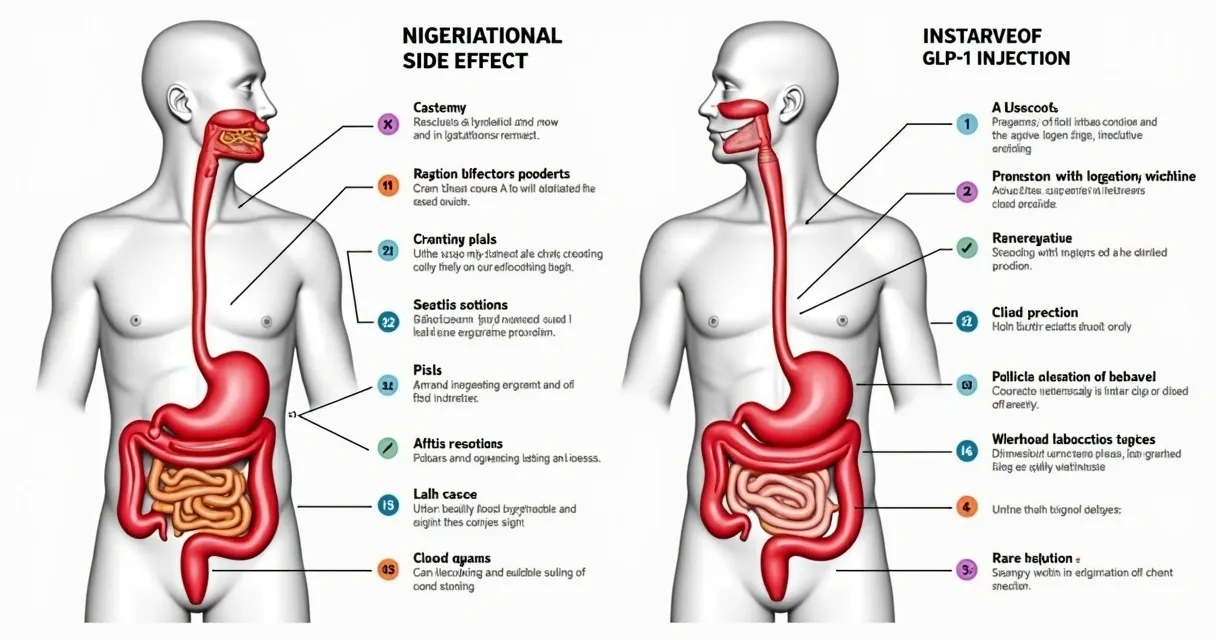
The most common reactions on the injectable and oral GLP-1 drugs are gastrointestinal. In the Zepbound label, nausea was reported in 25% to 29% of people on tirzepatide versus 8% on placebo, diarrhea in 19% to 23% versus 8%, and vomiting in 8% to 13% versus 2% (Zepbound label, Table 1). The Wegovy label reports nausea in 44% of adults on the 2.4 mg injection versus 16% on placebo (Wegovy label, Table 3). Both labels carry a boxed warning about thyroid C-cell tumors seen in rodents and contraindicate use with a personal or family history of medullary thyroid carcinoma or MEN 2, and both list pancreatitis and gallbladder disease among their warnings.
The older pills have different risk profiles:
- Contrave carries a boxed warning about suicidal thoughts and behaviors, because it contains bupropion (DailyMed label).
- Qsymia lists paraesthesia, dizziness, altered taste, insomnia, constipation and dry mouth among its most common adverse reactions in adults (DailyMed label). Its label recommends a negative pregnancy test before starting in people who can become pregnant, and monthly during treatment.
- Xenical causes gastrointestinal events such as oily spotting and fatty or oily stools, and the label advises a multivitamin containing fat-soluble vitamins (DailyMed label).
Report severe or lasting symptoms to your prescriber. For GLP-1 specific effects, see GLP-1 side effects: what to expect and how to manage them.
Counterfeit and unapproved products
Not every product sold as a weight loss pill or GLP-1 is what it claims to be. The FDA has warned that counterfeit Ozempic is on the U.S. market and that illegally sold semaglutide and tirzepatide products may contain the wrong ingredients or too little, too much or no active ingredient (FDA). The FDA advises buying only from state-licensed pharmacies, with a prescription from a licensed provider.
Tracking whichever treatment you choose
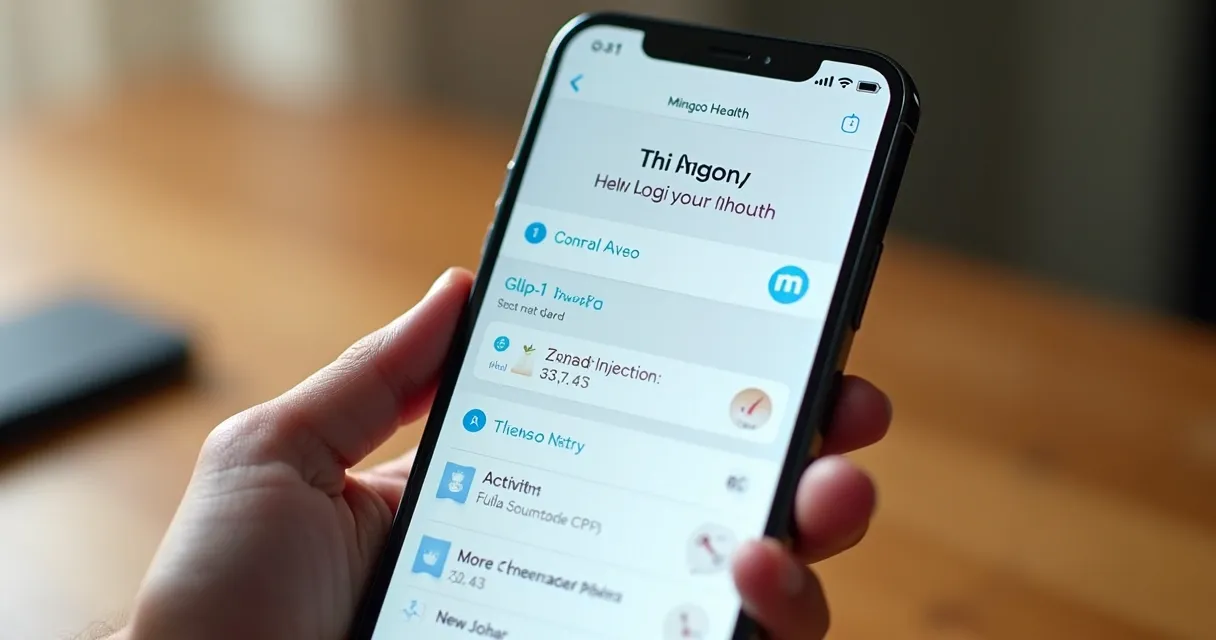
Pills and shots both leave you with things to remember: a daily schedule or an injection day, side effects that show up after a dose change, and changes in appetite and weight. Mingo is a GLP-1 tracker for iPhone and Android where you can log shots and doses, food and protein, side effects and weight in one place. It does not replace your doctor. Get the app. If you are earlier in the decision, the GLP-1 weight loss medication guide covers the basics, and Zepbound vs Wegovy compares the two injections in detail.
Key takeaways
- “Weight loss pill” covers very different drugs. Wegovy tablets (oral semaglutide) and Foundayo (orforglipron) are oral GLP-1 medicines approved for weight; Rybelsus is for type 2 diabetes.
- GLP-1 injections and the oral Wegovy tablet report double-digit average weight loss in label trials, but trials are not head-to-head and individual results vary.
- Older pills such as Contrave, Qsymia and Xenical have their own, different warnings.
- Weight may return after stopping treatment, so plan the long term with your prescriber.
- Buy only prescribed medicines from licensed pharmacies; counterfeit products exist.
Frequently asked questions
What are weight loss pills?
They are medicines taken by mouth that help reduce body weight, used with a reduced-calorie diet and more physical activity. Prescription examples include Wegovy tablets, Foundayo, Contrave, Qsymia and Xenical. Their active ingredients and warnings differ, so each needs its own conversation with a prescriber.
How do GLP-1 injections work?
They mimic gut hormones that affect appetite and blood sugar, and they slow gastric emptying. Semaglutide and liraglutide act on the GLP-1 receptor, and tirzepatide acts on both GIP and GLP-1 receptors. Most are weekly; Saxenda is daily.
Are weight loss pills safe?
Approved prescription pills are authorized for specific groups, and each label lists contraindications and warnings, for example the suicidality boxed warning on Contrave and the pregnancy testing advice for Qsymia. Safety depends on your history and your other medicines, which your prescriber reviews. Unapproved or counterfeit products are a separate and serious risk.
Which is better, pills or injections?
Neither is better for everyone. Trials of the injections and of Wegovy tablets report meaningful average weight loss, but they are not head-to-head comparisons, and your health, preferences and access matter. Your prescriber can help you decide.
How much do weight loss pills cost?
Prices vary by country, insurance and pharmacy, and we do not quote figures. Ask your prescriber and pharmacist about coverage and savings programs for the specific drug.


