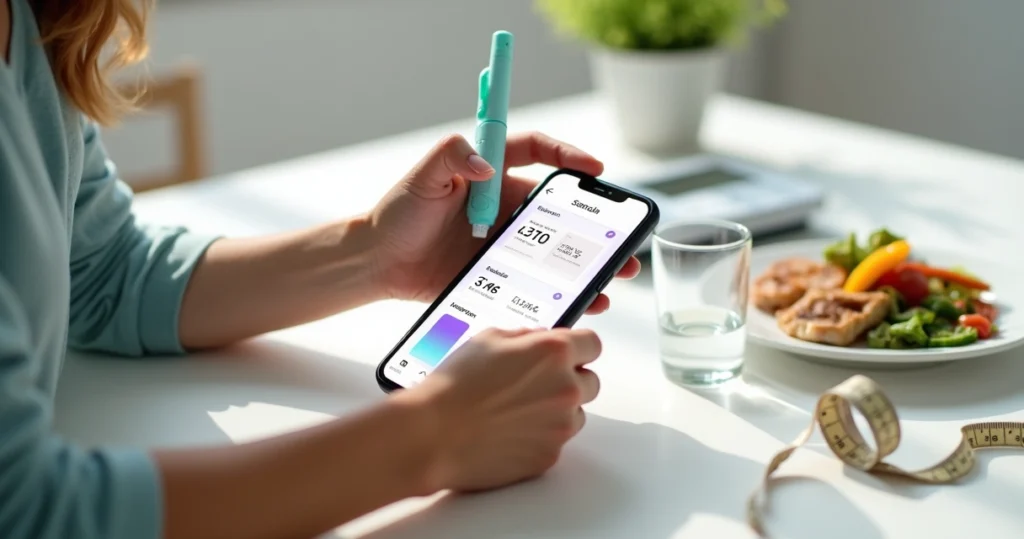
When I first started reading about new weight loss medications, Saxenda caught my attention for many reasons that go far beyond the headlines. If you’re navigating the challenges of weight management, understanding Saxenda and its role is no small thing—especially with so much changing in this field. Below, I’ll explain what makes Saxenda unique, who it helps, and how you can empower your own health journey.
What is Saxenda and how was it approved?
Saxenda is an injectable medication whose active ingredient is liraglutide. In 2014, the U.S. FDA approved Saxenda for chronic weight management. The approval came after rigorous studies, and shortly after, more countries adopted its use. Patients with a BMI of 30 or greater qualify, and it’s also available for those with a BMI of 27 or above when certain weight-related health conditions are present. In 2020, the approval expanded to adolescents aged 12 and older who fit similar criteria—a response to the alarming rise in childhood obesity that I’ve observed globally.
Saxenda brought a new option to people struggling to control their weight when lifestyle changes alone weren’t enough. This wasn’t just about an extra tool; it gave hope for those needing extra support.
The science behind Saxenda: How does it really work?
Saxenda belongs to a class known as GLP-1 agonists. In short, it mimics a hormone called GLP-1 that helps regulate appetite. By acting on areas of the brain involved with hunger, it can help you feel full with less food and slow down how quickly your stomach empties. That same action can trigger some common side effects, such as nausea—especially in the first weeks of use.
Liraglutide, the core of Saxenda, works throughout the day because it’s meant for daily injections—different from the weekly schedules of other options like semaglutide-based medications. Many people I’ve spoken to say this daily habit takes some getting used to, but they eventually incorporate it into their routine successfully.

It’s always necessary to use a fresh needle with each injection. Reusing needles can increase risks of infection and dullness, and I make it a point to remind people: new injection, new needle.
Who benefits most from Saxenda?
I’ve found that Saxenda is intended for adults and adolescents who are dealing with chronic obesity, with or without coexisting conditions like high blood pressure or type 2 diabetes. The guidelines are clear: BMI ≥ 30, or between 27 and 29.9 with conditions such as hypertension, dyslipidemia, or sleep apnea.
The approval for teens as young as 12 came after an increase in childhood obesity. It was a necessary move—something echoed by the growing community of families and healthcare professionals who saw limited progress with behavioral changes alone.
Saxenda versus other GLP-1 medications: What’s different?
In my research, I consistently read comparisons between Saxenda and once-weekly medications based on semaglutide. While both target GLP-1 receptors, Saxenda requires daily injections, whereas semaglutide requires weekly dosing. Despite the perceived convenience of weekly injections, many still select Saxenda, especially when other products face shortages.
In terms of effects, clinical trials show that all GLP-1 medications can support significant weight loss. One large study on liraglutide found that patients lost an average between 5% and 10% of their starting weight over one year, with some going even further. Not everyone responds the same way—some people see modest results, but for most, it’s enough to make a substantial medical difference.
Every journey has side effects
Gastrointestinal symptoms are the most common. Nausea, vomiting, diarrhea, and constipation affect up to 50% of people, though they usually fade after a few weeks. Rare effects include gallbladder problems and, in extremely rare cases, pancreatitis. Safety studies continue, and in my opinion, the ongoing monitoring is both reassuring and necessary.
There are subtle differences among GLP-1 medications regarding side effect frequency, but, overall, the experience is similar. One guideline I follow is that if nausea arises, smaller portions and bland foods tend to help. If side effects last longer than a few weeks, a follow-up with a healthcare provider makes sense.
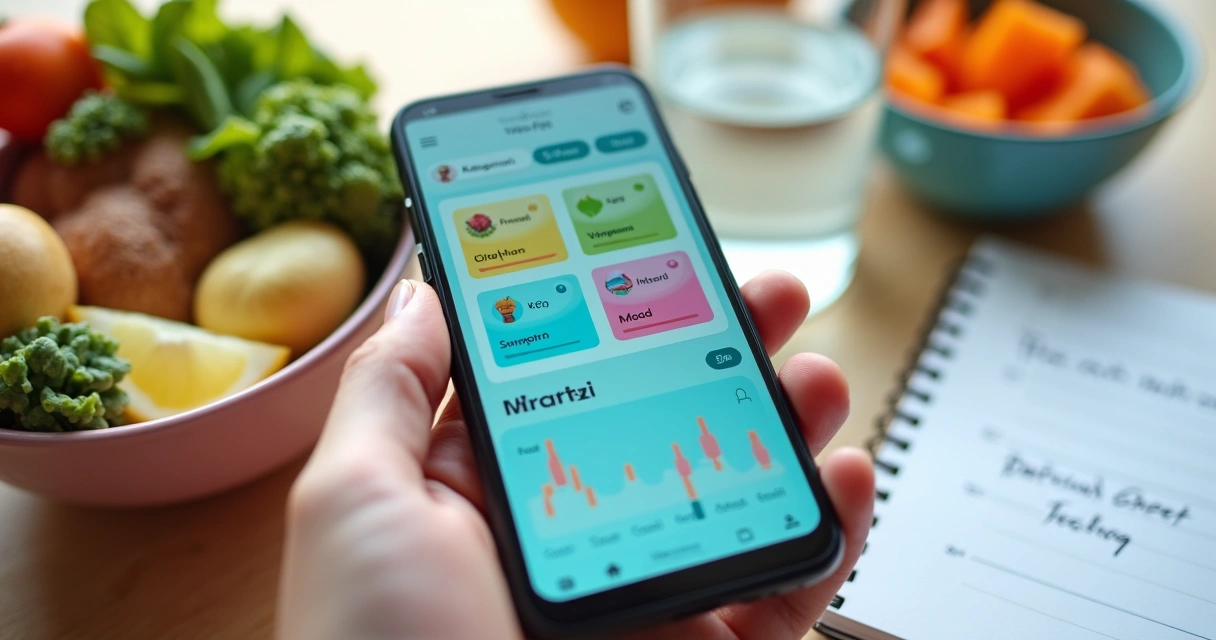
That’s where proper tracking tools—like Mingo, which allows for easy logging of meals, symptoms, and moods—can make a big difference, especially when you’re starting with a new medication or juggling multiple changes. I recommend reading this deeper guide on Saxenda weight management for step-by-step details.
Shortages, supply problems, and cost: The real-world challenges
The popularity of GLP-1 agonists for weight loss has led to supply chain problems and shortages worldwide, especially for some options intended for weekly use. This is frustrating for patients who rely on regular access. The manufacturer has acknowledged the problem and made efforts to stabilize supplies, but it’s still a work in progress.
Saxenda, due to its longer presence and established production, has been more consistently available in many regions. I’ve talked with people who switched to Saxenda purely due to this reliability, even if their initial preference was different.
Cost remains a major barrier for most U.S. patients. Currently, prices in the U.S. can be multiple times higher than in other countries. A quick check on GoodRx shows monthly out-of-pocket prices frequently between $1,300 and $1,600 USD. Insurance rarely covers Saxenda unless the patient meets strict requirements. This contrasts sharply with European systems, where partial public funding is more common. In the end, access can depend greatly on your insurance, location, and ability to pay out of pocket.
I’ve heard some public debate over whether demand for GLP-1 medications by people without diabetes is to blame for the shortages. It’s a complicated question. In truth, the boundary between obesity and diabetes is often blurry—patients frequently overlap, and both diagnoses deserve dedicated care. Shaming isn’t helpful. What matters is ensuring broad and equitable access as supply improves.
For a broader perspective, you might want to read more about the different types of weight-loss medications and how each fits within a holistic plan.
Real success needs habits, not just a prescription
While Saxenda and similar medications give a tangible push, no one should count on them alone. In every guideline I’ve read, there’s a clear message: sustainable change stems from healthy daily habits. This means:
- Finding simple ways to add physical activity—like daily walks or at-home exercises
- Drinking enough water and not skipping meals
- Building meals around protein and healthy fiber
- Practicing mindful eating and pausing while full
- Connecting emotions and food patterns—tracking mood with tools like Mingo can help
Behavioral and lifestyle support, even if just small manageable steps, should always come first—medication is a tool, not a substitute for changing how we live day to day. That’s how real, lasting weight loss feels possible and less overwhelming.
For more concrete ideas, there’s a very practical list of tips for effective weight management built on this philosophy.
Healthy weight management is a journey, not a sprint.
Conclusion
Saxenda stands out as a well-established GLP-1 agonist that has brought a new level of hope and support to adults and adolescents seeking real, sustainable weight loss. It’s been backed by clear, careful research but, like all medications, isn’t magic on its own. Pay close attention to your routines, get support when you need it, and don’t be afraid to use digital tools like Mingo to keep your motivation up and your progress clear.
If you want a more seamless way to track your journey and make every step count, try Mingo for free and see how it fits into your routine. Knowledge is empowering, but action changes lives.
Frequently asked questions
What is Saxenda used for?
Saxenda is a prescription injectable medication approved for chronic weight management in adults and adolescents aged 12 years and older. It’s meant for those with a BMI of 30 or above, or a BMI of 27 and above if weight-related conditions like high blood pressure or diabetes are present. It’s not just for short-term weight loss, but for ongoing management of obesity.
How does Saxenda help with weight loss?
Saxenda works by mimicking a natural hormone called GLP-1, helping to reduce appetite and calorie intake. This makes you feel full sooner and longer, helping people to eat less and gradually lose weight. It also delays how quickly your stomach empties, which can both reduce hunger and—sometimes—cause some initial digestive side effects.
How much does Saxenda cost?
The price can vary depending on location, insurance, and pharmacy, but in the United States, Saxenda commonly costs between $1,300 and $1,600 per month without insurance coverage. Other countries may offer lower prices, sometimes through healthcare systems or insurance support. Checking with multiple pharmacies and exploring coverage options with your provider is recommended.
Are there side effects with Saxenda?
Yes, the most common side effects are digestive, affecting about 1 in 2 users. These include nausea, constipation, vomiting, and diarrhea, though these usually improve after the first few weeks. Rarely, some people may experience gallbladder problems or more severe effects. Always start Saxenda with a healthcare provider’s guidance, and report any persistent or severe symptoms right away.
Is Saxenda worth trying for weight loss?
If you have chronic obesity or weight-related health problems and haven’t had the level of success you want with lifestyle changes alone, Saxenda may be a strong option to consider. It’s best used alongside healthy routines and should always be guided by a healthcare professional. Tracking progress and side effects with an app like Mingo can help maximize results and maintain motivation.