Doctor showing a patient an injectable weight loss medication and body weight chart on a tablet

Retatrutide: What You Need to Know About GLP-1 for Weight Loss

Every now and then, science offers a new answer to one of my most persistent questions: What actually works for weight loss, long-term? Recently, research and news have turned to a fresh contender in the area of metabolic health and obesity—retatrutide. This medication, while still making its way through clinical trials, has drawn remarkable attention for the results seen in early studies, offering hope and practical insight for those seeking a real breakthrough in their personal journey.

As someone who believes in evidence-based medicine, clear explanations, and the power of supportive technology like Mingo, I want to provide you with a solid understanding of what makes this new injectable stand out from what came before. Readers deserve straightforward, up-to-date guidance—with context and practical tools that genuinely support the process of using GLP-1 medications and monitoring health changes.

What is retatrutide and how is it different from current treatments?

To many who track health and weight loss breakthroughs, GLP-1 medications are no longer new. In my research—and personal experience with clients and in clinical discussions—these drugs have become the gold standard for both diabetes and obesity management in recent years. Yet, most people know about medications that act on a single hormone receptor, or possibly two. Retatrutide’s mechanism is different, and that’s where the hope and excitement come in.

3D illustration of a molecule connecting three distinct receptor sites with background graphics showing metabolic pathways.

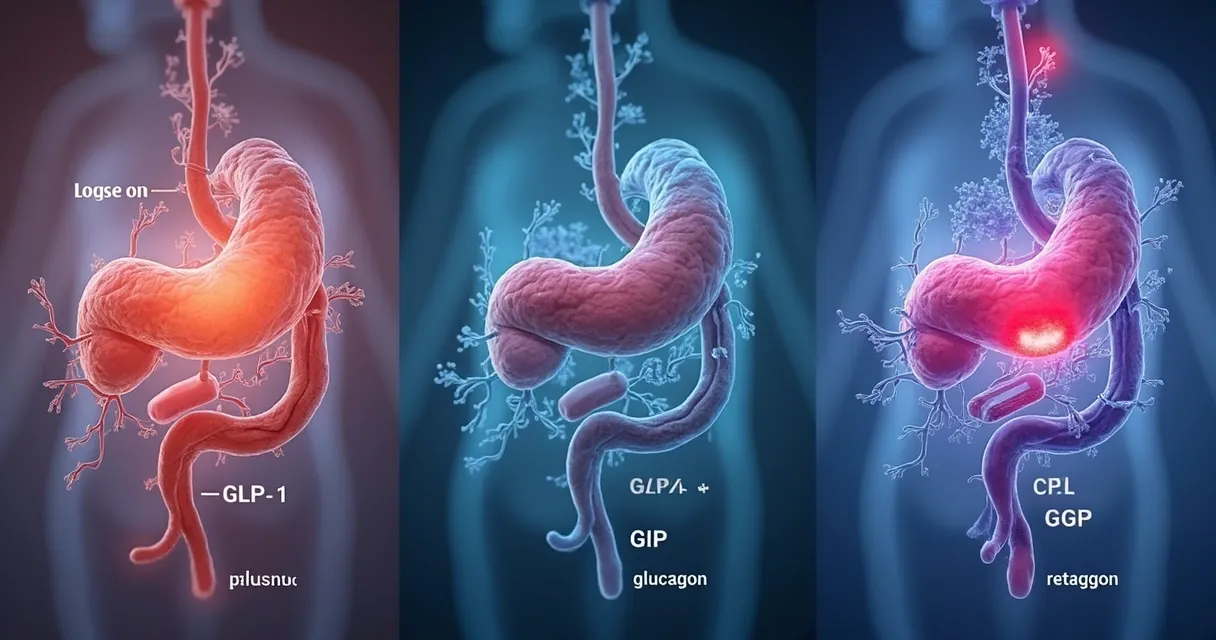
Retatrutide is best described as a triple hormone receptor agonist. It activates three key hormonal pathways: GLP-1 (glucagon-like peptide-1), GIP (glucose-dependent insulinotropic polypeptide), and glucagon receptors.This is a deliberate expansion over existing medications, which typically work on GLP-1 alone, or both GLP-1 and GIP. Why is this detail so important? Each hormone pathway influences weight, blood sugar, appetite, and energy use, but activating all three seems to result in a kind of metabolic synergy that could produce greater effects than any single or dual-action alternative.

Retatrutide’s triple-action affects appetite, blood sugar, fat storage, and even energy burning—offering a broader metabolic effect than previous GLP-1 and GIP-based therapies.

If you’re interested in a technical explanation, activating GLP-1 and GIP receptors can reduce hunger and help the pancreas secrete more insulin when blood sugar is high, leading to better appetite control and blood sugar management. When you add glucagon receptor activity, the body may also burn more fat and increase energy use. This, in theory, could help address those frustrating plateaus where weight loss slows or halts.

For a detailed background on how this medication works, there’s a helpful post on how retatrutide works that I recommend checking for more science details.

Why did researchers try a triple agonist for weight loss?

After seeing the steady improvements with GLP-1 and GIP dual agonists, scientists wondered if they could push even further. For people living with obesity, past medications often resulted in moderate weight loss—enough to help, but not always to match personal goals or fully address related health issues. In my view, what sets retatrutide apart is its ambition: not just to regulate blood sugar and blunt appetite, but to attack the biological resistance that makes long-term weight loss so challenging for so many.

  • GLP-1 activation signals fullness, slows stomach emptying, and reduces food intake.
  • GIP also helps with insulin secretion and may support fat burning and energy balance.
  • Glucagon receptor action can boost how quickly the body uses energy and help decrease fat mass.

Combining these effects offers a novel way to target metabolic resistance, which often causes weight loss to plateau with other drugs.

Compared to what we previously saw with GLP-1-only medications, dual therapy already improved results—but the addition of a third pathway is the bold leap scientists believed might be missing to truly change the landscape for people struggling with obesity.

How effective is retatrutide for weight loss?

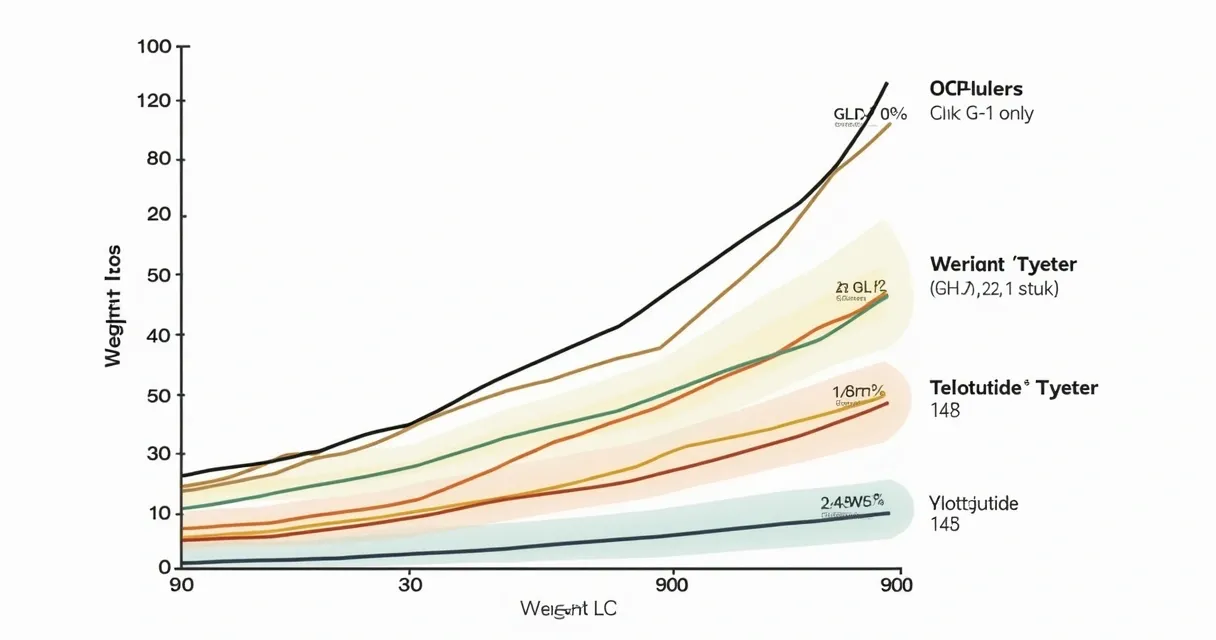
This is the question I get the most. Recently published Phase 2 studies have generated genuine excitement, showing weight reductions larger than anything seen before in this class of drugs. According to the American Diabetes Association’s summary of late-breaking clinical trial results, people using the highest dose of retatrutide experienced an average weight reduction of up to 24% of their starting body weight after 48 weeks.

To put this in perspective:

  • GLP-1 only treatments often result in 10-15% body weight loss in clinical studies.
  • GLP-1/GIP dual agonists can go a bit higher, frequently in the 15-20% range.
  • Retatrutide’s average loss of 24% at its highest dose is the largest documented in a late-stage trial for an injectable medication for obesity so far.

Line chart comparing weight loss percentages from GLP-1, GLP-1/GIP, and triple agonist medications over time.

These numbers are not the end of the story, of course. Clinical trials were run under close supervision, with extensive support, and results in real-world settings can be impacted by environmental, social, and psychological factors. Still, when I read these numbers, I see a major step forward for people who have previously struggled to lose more than a fractional amount of their weight even with prescription therapies.

Results beyond weight loss: What else can retatrutide improve?

The promise of retatrutide extends beyond the scale. In my review of published trial reports, users not only lost significant weight—they also showed improvements in several areas of metabolic health. The American Diabetes Association’s analysis highlighted some of the underappreciated benefits:

  • Blood sugar (HbA1c) improved, especially in participants with Type 2 diabetes.
  • Studies documented decreases in liver fat (a concern for those with or at risk for fatty liver disease).
  • Many saw improvements in cholesterol, blood pressure, and other cardiac risk markers.

From my perspective and what I’ve heard from clinicians, these improvements matter as much as the weight on the scale. They target the underlying risks of heart disease, diabetes, and non-alcoholic fatty liver disease that often coexist with obesity.

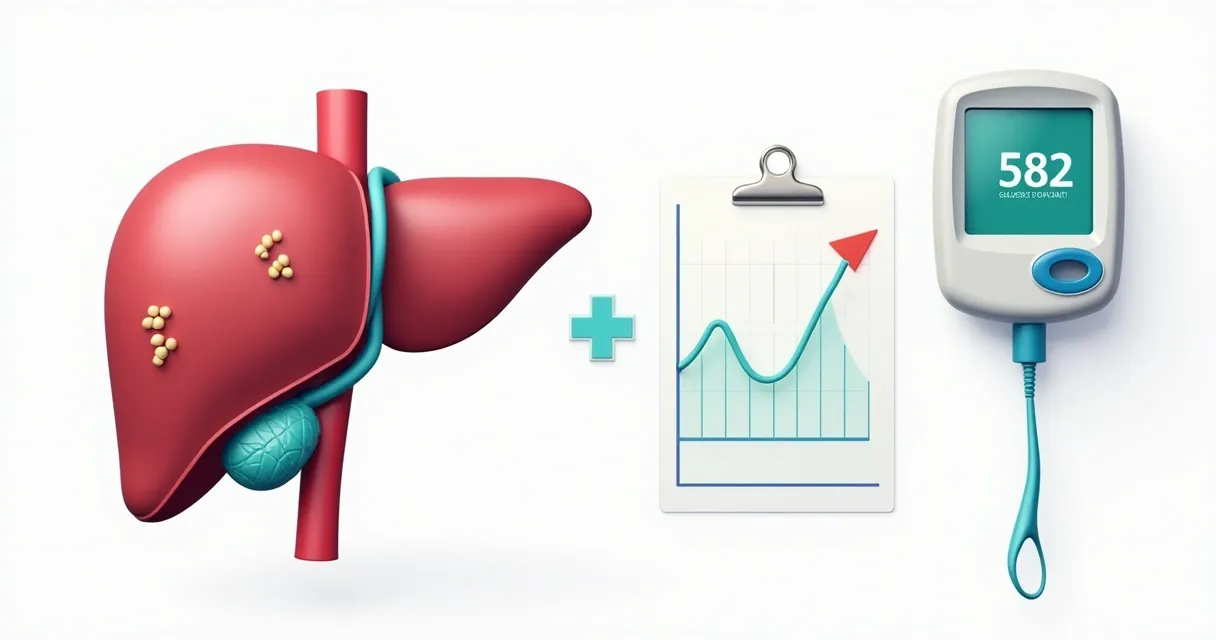
Medical illustration showing decreased liver fat, improved blood glucose, and better cholesterol after medication.

Fatty liver disease, known as metabolic-associated steatotic liver disease (MASLD), affects a significant segment of people with obesity and diabetes. Retatrutide’s mechanism may help reverse or limit progression of fatty liver in addition to driving weight reduction.

For those already tracking health markers—for instance, anyone using an app like Mingo that collects daily nutrition, application times, blood sugar readings, or mood—these benefits are easier to notice in real time. The numbers can shift in weeks to months, motivating continued progress.

Researchers also looked into sleep apnea severity, need for additional diabetes or blood pressure medications, and quality of life. Early signs point to possible improvements in these areas, too, though more time and data are needed to confirm.

If you’re interested in the full rundown of benefits linked to this class, I recommend exploring more on GLP-1 advantages via the comprehensive summary at GLP-1 benefits for weight loss.

How does retatrutide compare to other injectable weight loss medications?

With obesity medications often compared side by side, it’s fair to ask: Does retatrutide really change the game? In my research and experience, comparison points typically include three main areas:

  1. Degree and speed of weight loss achieved.
  2. Spectrum of health improvements (sugar, lipids, liver, blood pressure).
  3. Side effect tolerability and quality of life during treatment.

I already mentioned earlier that retatrutide’s average weight loss in clinical studies—especially at the top dose—set a new benchmark. Here’s how it shapes up relative to other modern GLP-1 class medications:

  • Single-hormone (GLP-1) drugs often result in average losses of 10-15%, and typically require at least a year or more for maximum effect.
  • Dual-action agents, targeting both GLP-1 and GIP, frequently achieve 15-20% average reductions.
  • Retatrutide’s 24% average loss (highest dose, 48 weeks) stands out for its magnitude and speed.

Most notably, a higher proportion of retatrutide users reached clinically meaningful milestones like 10% or 20% weight reduction—figures that previously might have required surgical interventions. For people above BMI 35 or 40, these losses move them from severe obesity toward more manageable ranges, even approaching “normal” weight in some cases.

Of course, real-world results depend on sustained use, ongoing lifestyle adjustments, and support systems—ingredients well-served by tracking solutions like Mingo. If you’re considering or already using GLP-1 medications, it can be helpful to see a side-by-side guide, like the one available from the Mingo weight loss medications guide.

How does retatrutide’s mechanism differ?

The big difference, again, comes from its triple action. Rather than focusing only on reducing hunger or blunting blood sugar spikes, this medication also increases baseline calorie burning through the glucagon receptor. It’s a triple threat—suppress appetite, improve insulin activity, and boost energy expenditure.

No other currently available injectable for weight loss includes all three mechanisms in one therapy.

Comparison graphic showing triple-agonist retatrutide, dual-agonist, and single-agonist mechanisms.

So far, what I see is a unique molecular approach: one injection, three potent biological signals, and the possibility of higher, faster, and more sustained results for those who respond.

What are the main side effects?

Whenever a medication becomes more powerful in its effects, it’s essential to watch for more pronounced side effects. In clinical data I’ve reviewed, retatrutide shares many similarities with other GLP-1 class medications, especially during the first weeks of titration when doses are gradually increased.

  • The most common side effects are gastrointestinal: nausea, vomiting, diarrhea, and constipation.
  • These symptoms are usually most noticeable in the first few weeks and often settle with time or dose adjustments.
  • A small proportion of users may experience headaches, fatigue, or mild injection site reactions.

In most people, GI side effects get milder as the body adapts.

A minority stop medications due to these effects, but many continue as long as symptoms remain manageable. During clinical trials, a methodical dose-escalation, along with close follow-up, helped reduce dropout rates due to intolerable symptoms.

Serious side effects remain rare. Some risks, like acute pancreatitis, gallbladder disease, and changes in thyroid markers, are still being monitored. These appear infrequent, but it’s too soon for final conclusions, as the medication is not yet in widespread, long-term use. As with other GLP-1 medications, anyone considering therapy should discuss personal risks and medical history with a health professional.

Non-cardiovascular complications are being tracked through ongoing studies, and so far, there are no strong signals of major harm at the population level.

Medical illustration representing gastrointestinal and mild side effects from injectable medication.

Most side effects can be minimized by slow dose increases and monitoring. Careful tracking of symptoms, using an app or notebook, helps differentiate between normal adaptation and concerns that require medical advice.

How does retatrutide impact metabolic conditions like diabetes or fatty liver?

It’s becoming clear that advanced obesity medications are about more than just weight loss. Retatrutide, due to its broad mechanism, appears especially helpful for metabolic diseases that often complicate obesity—primarily Type 2 diabetes and fatty liver (MASLD).

According to available Phase 2 data, patients with Type 2 diabetes prescribed retatrutide saw both weight drops and significant improvements in HbA1c, the long-term marker for blood sugar control. Many participants were able to reduce other diabetes medications during the study period, though individual results varied.

  • Blood sugar often stabilized or improved further as weight declined, regardless of the starting A1c.
  • Fatty liver, as measured by specialized imaging and markers, improved in multiple trial participants. This is particularly promising given the lack of approved drugs for fatty liver disease.
  • There’s early indication that triglycerides and LDL cholesterol also shift downward with retatrutide therapy.

Based on clinical conversations and the data available, those who have both significant overweight and either diabetes or MASLD may see the greatest overall health rebound with a medication like this. The effects stretch beyond the number on the scale—they’re holistic, and they impact the risk of future complications.

You can follow the real-world impact of these improvements more closely with a day-to-day tracking approach. I recommend tools that centralize all health data (like Mingo), so when your next medical visit rolls around, you have a detailed record of how your numbers respond to therapy.

If you want a deep dive into clinical effects, a dedicated overview of retatrutide benefits is available for advanced readers and curious minds.

Who is eligible, and how can someone access retatrutide legally?

This medication has not yet received broad regulatory approval for weight loss or diabetes—its use is currently limited to participation in approved clinical trials. I feel it’s especially important to emphasize this, because the buzz around dramatic weight loss results always creates a wave of interest, and, unfortunately, a parallel wave of counterfeit and online “grey market” products.

At present, the only legal, safe way to use retatrutide is by enrolling in an official clinical trial through recognized research institutions.

Participants discussing with researchers at a clinical trial center, paperwork and medical charts on a table.

Enrollment criteria for these trials typically include:

  • Adults (usually age 18+)
  • BMI above a certain threshold (often 30+ or 27+ with an obesity-related condition)
  • Medical stability and the ability to attend regular follow-up visits and tests
  • Exclusion of certain serious medical histories (like pancreatitis, some cancers, or very high cardiovascular risk)

If you are interested in enrolling, I encourage you to consult your local teaching hospital or look up listings on major clinical trial registries. Never attempt to purchase this medication online or from unregulated sources, as safety and purity cannot be guaranteed and legal risks are significant.

Counterfeit or unauthorized medication is a real risk—wait for approved, safe channels.

Tracking success: How Mingo helps users on GLP-1 therapies

When people first start injectable medications for weight loss, I often see two major hurdles: remembering applications and systematically tracking what happens over time. If you’re like most people I’ve seen on this journey, you want both simplicity and security.

The Mingo app was built for exactly this process. It allows you to:

  • Log injections and reminders so no dose is missed
  • Track meals by voice, scanning, or photos—making nutrition monitoring less frustrating
  • Monitor water, protein, fiber, and physical activity side by side with medication use
  • Note and review side effects (GI or otherwise), energy levels, and mood changes
  • Connect with Apple Health for broader monitoring without sharing data externally

A complete, private record makes conversations with your doctor far more productive.

Because progress is rarely a straight line, the ability to see patterns, recognize setbacks, and spot improvements can keep you on track even when immediate results are slow.

Whether you are already using a GLP-1 therapy, considering enrolling in a clinical trial, or simply researching future options, digital tools strengthen your ability to maintain safe, sustained changes over time.

A smartphone showing the Mingo app with daily medication and nutrition logs on the screen.

You can even create a personalized plan and review your progress without exporting data or worrying about privacy—because everything is stored only on your device. In my opinion, this kind of control and overview empowers healthier decisions and reduces guesswork between doctor appointments.

The future outlook: Approval timeline and what to expect next

As of mid-2024, retatrutide is in advanced (Phase 3) clinical trials in North America, Europe, and parts of Asia, following highly promising Phase 2 results. If all goes well—and no unexpected safety signals appear—regulatory submissions for weight loss and diabetes may occur in late 2024 or early 2025. Market availability could follow about a year later, depending on review speed and regional guidelines.

It is not available for general prescription, and the medical community is watching closely for any surprises as more diverse populations begin using it at scale.

For those eagerly waiting, it’s a matter of staying up to date on new trial results, keeping in contact with healthcare teams, and preparing for a thoughtful conversation about which medication, if any, fits into your long-term obesity or metabolic health plan.

If you’re looking for updates, the Mingo blog features regular posts on medication timelines, news, and options as the approval process advances and guidance evolves.

You can also follow published analysis from major medical associations. For instance, the American Diabetes Association’s newsroom coverage regularly compiles the latest trial outcomes and metabolic health findings.

Conclusion: Is retatrutide the next step in weight management?

After reviewing the evidence, my answer is: For many, it may be. The results in clinical trials are ground-breaking—especially for people who haven’t achieved the results they sought with older injectables or lifestyle interventions. By boosting three hormone pathways, this medication tackles the toughest challenges in obesity medicine: plateauing weight loss, stubborn metabolic dysfunction, and related conditions like diabetes and fatty liver.

It’s not a magic answer, but it provides another validated option for those stuck in the frustrating cycle of losing and regaining weight.

It’s also clear that the best and safest experiences happen when users track their therapy, nutrition, activity, and well-being. This is precisely why Mingo exists—to give you a complete, privacy-first tool for every step of this long-term health process. If you’re considering this medication, or another in the same class, I recommend building solid habits and records today.

Change comes from hope, action, and sustainable tracking—one day at a time.

Ready to build a foundation for better health, with support and accuracy? Download Mingo for free, take control of your data, and discover just how powerful your own journey can be.

Frequently Asked Questions

What is retatrutide used for?

Retatrutide is currently being studied as an injectable medication for the treatment of obesity, metabolic syndrome, and related conditions like Type 2 diabetes and fatty liver disease.Its primary target population includes adults with clinically significant overweight or obesity, with or without additional metabolic health complications. The broad effect of activating three hormone pathways sets it apart from current single- and dual-agonist therapies.

How does retatrutide help with weight loss?

Retatrutide supports weight loss through its unique triple-action mechanism, stimulating GLP-1, GIP, and glucagon receptors.The combined effect leads to reduced hunger, slower stomach emptying, improved insulin secretion, and greater energy expenditure through increased fat burning. Results from clinical studies show the highest average weight reduction reported in the class so far—around 24% of body weight at top doses in 48 weeks. This impact reaches beyond appetite control, combining multiple metabolic effects in one therapy.

What are the side effects of retatrutide?

Most commonly, users experience gastrointestinal symptoms such as nausea, vomiting, diarrhea, and constipation. These occur most often early in treatment and usually get milder over time or with gradual dose escalation. Other possible side effects include mild headache, fatigue, or injection site discomfort. Rare but more serious risks (like pancreatitis or gallbladder disease) are still being monitored but appear uncommon. Monitoring symptoms with an app like Mingo and working with a healthcare professional helps detect and address problems early.

How much does retatrutide cost?

Retatrutide is not yet approved or commercially available, so no official price has been set.Currently, access is limited to participation in clinical trials, which typically provide the drug and follow-up at no cost to participants. Future pricing will depend on healthcare system negotiations, insurance arrangements, and regional economic factors once the medication reaches the market.

Is retatrutide FDA approved for weight loss?

As of now, retatrutide is still in clinical trials and has not been approved by the FDA or other regulatory bodies for weight loss or any other use.Approval processes are ongoing, and if current results hold, submission for regulatory review and possible approval is expected within the next one to two years.

Download the app for iOS and Android and track your GLP-1 journey!