Person using a health tracking app on phone next to Trulicity injection pen

Trulicity: How This GLP-1 Med Helps Track Weight Loss and Health

I remember the first time I heard about GLP-1 medications for weight loss. There was a sense of hope, blended with questions. Could a weekly injection really help people not just manage diabetes, but also support lasting weight loss? Over the last few years, I’ve seen how these medications—including dulaglutide, the active ingredient in Trulicity—have shifted perspectives and improved lives for thousands of people working to reclaim their health and confidence. In this article, I want to break down how Trulicity works, why tracking is essential, real-user challenges, and the peace of mind that comes from secure, smart digital health tools like Mingo.

Understanding Trulicity: a GLP-1 receptor agonist you inject once weekly

Let’s start with the fundamentals. Trulicity (dulaglutide) is a long-acting injectable medication that belongs to a class of drugs called GLP-1 receptor agonists. It’s prescribed for adults with type 2 diabetes, but it’s grown enormously popular as an aid for weight management, too. The science behind it? That’s fascinating.

Dulaglutide mimics a gut hormone called glucagon-like peptide-1 (GLP-1). After you eat, your body naturally produces GLP-1 to help regulate blood sugar and appetite.When you inject Trulicity, you’re boosting this natural signal—so you feel full sooner, eat less, and your pancreas releases just the right amount of insulin to keep blood sugar under control.

This means people using Trulicity not only see lower A1c levels (the main blood test for type 2 diabetes), but many also experience meaningful weight loss, especially when combined with healthy eating and movement.

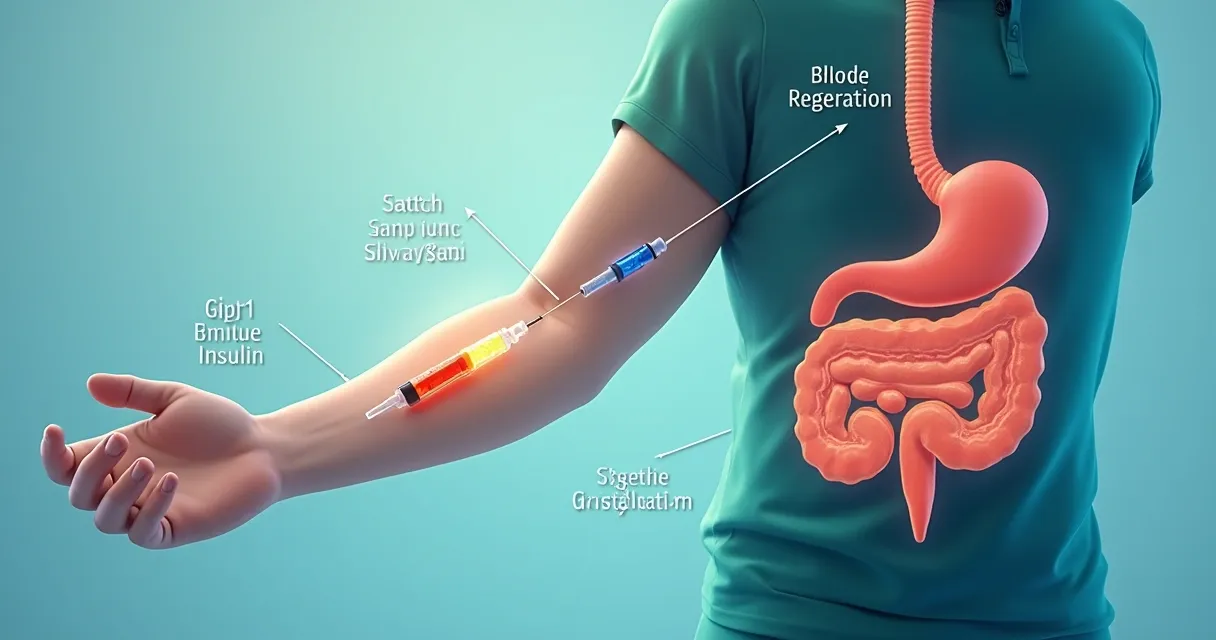
Illustration of hormone effects from GLP-1 injection

Why are GLP-1 receptor agonists so influential?

It’s not just the pounds on the scale. These medications, including Trulicity, deliver:

  • Reduced food cravings and binge urges
  • Improved glucose control
  • Lower risk of heart disease in people with diabetes
  • Long-lasting effects thanks to once-weekly dosing
  • A supportive structure for developing sustainable habits

The World Health Organization recognizes obesity as a chronic, relapsing disorder that’s best managed with long-term, structured care—including advanced medications like GLP-1 receptor agonists.These injectable drugs have changed the way we look at managing diabetes and excess weight. Studies demonstrate significant and lasting weight loss (5-16%) along with metabolic and cardiovascular benefits for many users, especially when accompanied by lifestyle support.

The science: How Trulicity helps with weight management and diabetes

I’ve read countless studies and patient stories. The mechanism always comes back to the hormone GLP-1. When you use Trulicity:

  • Your pancreas is signalled to release more insulin after meals.
  • Your liver makes less glucose.
  • Your stomach empties more slowly—so you’re naturally less hungry.
  • Your brain registers fullness sooner and with less food.

These effects work together: you eat less, your blood sugar remains steadier, and over weeks and months, excess weight can drop off without constant deprivation.But people are different. Some experience rapid hunger reduction, others notice a gradual shift in their relationship with food. There’s also a natural variability in how much weight each person loses, influenced by genetics, habits, and dedication to tracking routines.

For those managing type 2 diabetes, the benefits expand even further. Not only does dulaglutide lower fasting and post-meal blood sugar, but studies show a reduction in A1c that’s both substantial and lasting. And for many, the risk of cardiovascular events goes down too, which is a powerful motivator.

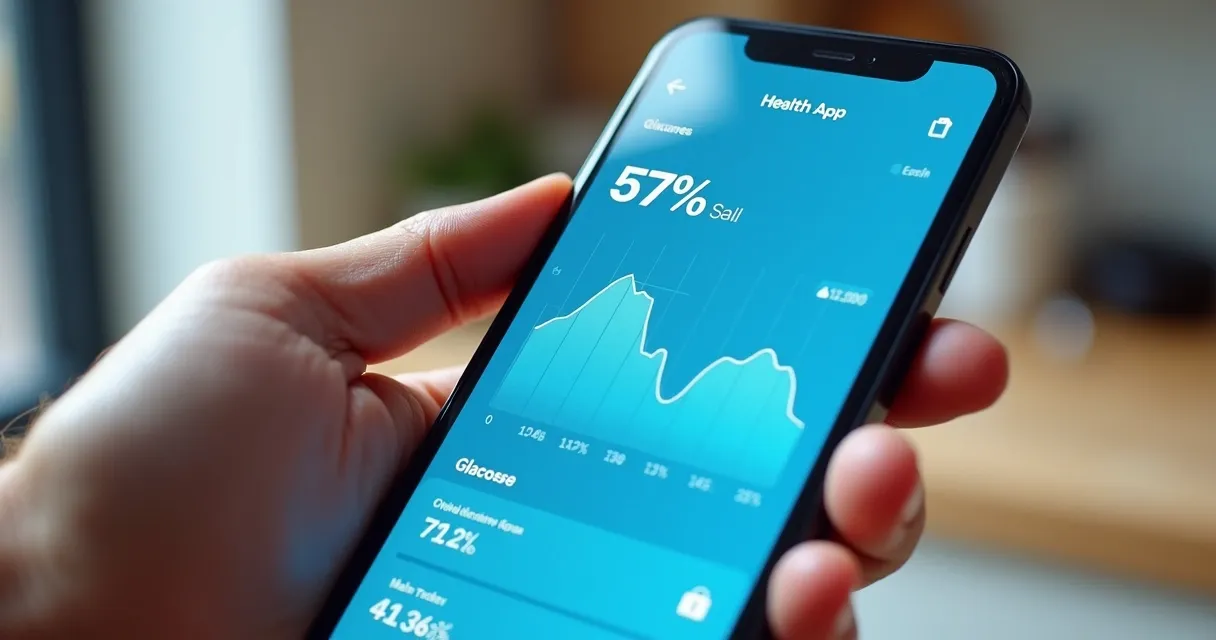
Digital app showing weight loss tracking chart

The power of consistent tracking with Trulicity

I can’t stress this enough: Tracking is what transforms effort into real progress. That’s why projects like Mingo exist—to streamline and simplify what used to be scattered notes and guesswork. When you start a weekly injection cycle, many life details start to shift too. That’s where a digital solution to recording doses, meals, effects and more becomes your strongest ally.

Here’s what effective tracking with a GLP-1 medication should absolutely include:

  • Dose and injection time for every week
  • Weight, tracked consistently (ideally once a week, same day and time)
  • Glucose numbers if you have diabetes, or want to monitor your response
  • Meal patterns, hunger levels, and food choices
  • Any side effects (nausea, fatigue, others)
  • Other wellness data: activity, mood, hydration, sleep

With Mingo, these details are quickly logged by voice, scan, or simple taps—no need to flip between multiple notebooks or worry about lost data. Over time, you build a personal health timeline that becomes incredibly useful for you and your care provider. You can actually see trends: how weight changes after injection days, how specific foods affect your mood or appetite, how side effects evolve throughout your treatment.

Why is tracking so effective?

A few reasons:

  • Accountability: When you track, you’re naturally more mindful and more likely to stick with your goals.
  • Pattern recognition: Apps can help you notice which habits work, and which don’t.
  • Troubleshooting: If new symptoms show up, you can review your log and adjust proactively.

In my experience, every small tracked detail can tip the balance between frustration and success.

How apps like Mingo transform medication routines and adherence

Before smart health apps, I watched people try to manage their medication schedules and health goals with calendars, alarms, or sticky notes. Too often, life got in the way—a missed dose here, forgotten weight there, vague memories of food choices three days ago.

With Mingo, this stress shrinks. All your health and medication data is collected in one secure space, on your own device, without sharing or uploading to external servers. That sense of privacy is empowering, especially for those feeling vulnerable about their health journey. Here are a few ways that digital health solutions help people embrace Trulicity and similar GLP-1 medications:

  • Automatic reminders for both weekly injections and logging meals or weight
  • Quick logging options like scanning a food label or using your voice after a meal
  • Graphical timeline displays that visualize trends, helping you understand what’s working
  • Notes and mood tracking for monitoring well-being, not just numbers
  • Apple Health integration to bring together activity, steps, sleep, and weight data automatically

Phone app giving medication injection reminder

I’ve chatted with users who say, “I would have forgotten half my injections if I didn’t have these reminders!” Others share how seeing their weight charted over months—ups, downs, plateaus—helps them stay motivated and compassionate with themselves. That’s where tracking with a thoughtful app becomes more than logistics. It’s reassurance. It’s guidance. And when side effects or new health concerns pop up, you (and your doctor) can spot them fast and respond thoughtfully.

User experience: What challenges do people face, and how does digital health help?

If you’re starting Trulicity—or thinking about it—you might be nervous. That’s completely normal. In my research and work with clients, three main hurdles come up frequently:

  1. Fear of injections (even though they’re weekly and often nearly painless)
  2. Unpredictable side effects, particularly at the start
  3. Difficulty sticking to new routines for food or medication

The most common side effects with GLP-1s are digestive: nausea, mild vomiting, constipation, or diarrhea. About half of users notice at least one of these—usually in the first few weeks. But almost always, these fade as your body adapts, and the benefits become clearer. For most, the hunger cues soften, and side effects settle down. Knowing this, and opening up tracking for symptoms, helps users stay calm and proactive—logging when symptoms start, what you ate, what might help.

From what I’ve seen, a digital tool that puts all of these challenges—dose reminders, symptom logs, mood notes, encouragement—on the same screen, drastically increases adherence and peace of mind. Suddenly, you’re not alone on your journey.

Real experiences, real outcomes

I’m consistently moved by stories of users who, after years of struggle, find steady progress by combining their medicine with consistent tracking and patient self-observation. They say things like:

I finally see the links between my routines and results.

That’s the core aim of health tech—making complexity invisible, and giving you visible control back.

What should you track, and why does it matter?

If you’re serious about using Trulicity for weight management or diabetes, I recommend tracking these key details:

  1. Injection timing: Always log date and time, to clarify any gaps.
  2. Weight (weekly): Same time, same scale, to reduce natural daily shifts.
  3. Blood sugar, especially if you have diabetes: This flags both progress and safety.
  4. Food intake: Use photos, scans, or quick notes, not just calorie numbers—understanding portions, protein, and fiber helps a lot.
  5. Mood and energy: These are as meaningful as physical symptoms, since well-being influences consistency.
  6. Any unusual symptoms: Side effects, yes, but also positive changes—like sleeping better or feeling less anxious about eating.

In my experience, people are amazed by how much insight they gain once all of these are tracked. Plateaus become less scary, setbacks feel more like data points than failures.

Features that make tracking easier (based on real feedback)

According to users of apps like Mingo, the following make a world of difference:

  • Fast data entry (especially with voice recognition or photo logging)
  • Accessible, jargon-free health analytics
  • Discrete, private logs with no outside data sharing
  • Integration with Apple Health for automatic syncing of steps, weight, and sleep

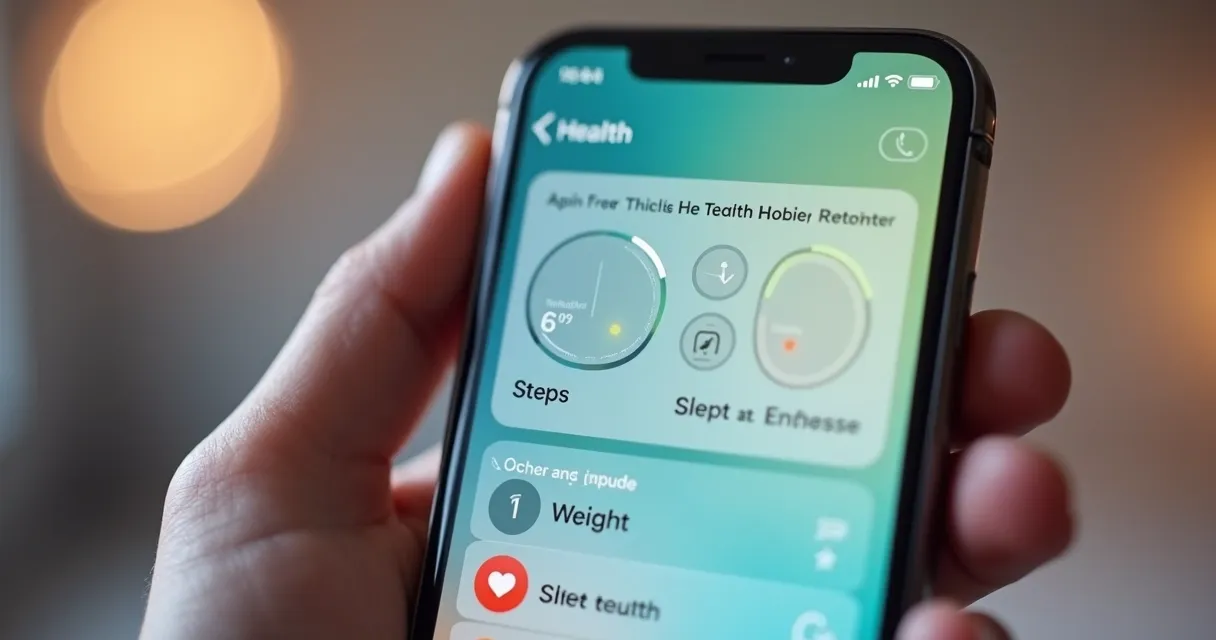
App synchronizing health data with Apple Health

Comparing Trulicity with other GLP-1 medications for user needs

I often get asked: How does dulaglutide stack up against other GLP-1 receptor agonists for weight loss and diabetes? The answer isn’t one-size-fits-all, because every GLP-1 option has a slightly different action, injection frequency, and side effect profile.

But when it comes to ease of use and adherence, Trulicity is often chosen for its:

  • Once-weekly dosing, which fits more seamlessly into busy lives than daily injections
  • Pre-filled, ready-to-use pen (no need to mix or load medication)
  • Generally mild side effects profile, especially after the first few weeks

Like other GLP-1s, the primary side effects are digestive, and weight loss effectiveness varies person-to-person. Studies show that combining these medications with behavioral strategies—daily lifestyle tracking, goal setting, and real-time feedback—boosts both satisfaction and results.

If you’re interested in deeper comparisons, or want to see the wider range of benefits and mechanisms, I’d recommend reading the overview of GLP-1 medications and how they support health, which covers more ground.

How privacy and security build trust in health tracking

Having worked alongside digital health teams and privacy specialists, I know one thing for sure: Health app users worry about their data. The thought of weight, mood, medications, or eating patterns being sent to a cloud or marketer can stop people from logging anything at all.

That’s why Mingo’s core promise is that all data stays on your device—never uploaded to outside servers, never shared without your consent.

This approach, to me, reflects respect. You can trust technology that puts your control above all else, and that matters, especially when you’re working through sensitive topics like weight, food, or chronic illness.

Visual representation of secure health data stored locally

Why does privacy matter so much?

It’s simple: When you feel safe, you engage more fully with tracking, sharing, and learning from your health journey. This creates a loop of better adherence, more insight, and eventually, stronger results.

How to start: actionable advice for those using (or considering) Trulicity

If you’re new to this journey, my advice is to start slow, track diligently, and stay connected with your healthcare provider. Here’s a checklist I recommend:

  1. Talk with your doctor about timing and proper injection technique. Use the pen right—every week, same time if possible.
  2. Set up an app like Mingo to keep all logs in one place.
  3. Track your baseline: weight, mood, glucose, and meals for a week before starting, so you can see your true starting point.
  4. Commit to three months of consistent tracking. The first few weeks are an adjustment, but patterns emerge after that.
  5. If side effects make you worry, log every detail and review after a couple of weeks. You’ll see improvement more clearly this way.
  6. Use digital reminders, but also make it a part of your routine (Friday mornings? Sunday nights?). The more automatic, the better.

You’ll find that the more you track, the more you understand about your body’s responses. There’s less guesswork and more clarity, week after week.

Extra resources for interpreting your progress

If you’re eager for deeper insights into tracking strategies, learn how to track weight loss effectively for better outcomes. And if you’re curious about the broader health benefits—beyond weight and glucose—see how GLP-1 medications improve other markers of health and well-being.

The proven health benefits of GLP-1 medications in the real world

Clinical research and real-world data both highlight that GLP-1 receptor agonists support not just weight reduction, but also broader health gains. These include better blood sugar control, reduced risk of cardiovascular disease, and improved overall energy for daily living.

In the United States alone, as of 2024, over 26% of adults with diagnosed diabetes report using a GLP-1 injectable medication. For people aged 50–64, this figure jumps even higher, and usage increases among those with higher BMIs—a sign that more and more people are finding tangible benefits in these therapies, both for diabetes and weight control (recent CDC data).

Person self-injecting medication on arm in bathroom

The broader picture: Motivation, counseling, and long-term care with GLP-1s

Years of international health research confirm that medication alone is only part of the journey. Guided counseling on lifestyle, consistent monitoring, and structured goal setting amplify the benefits of every GLP-1 medication, including Trulicity. Coaching helps people connect their choices with results and makes slip-ups easier to learn from rather than feel judged by.

In my work with individuals, I often suggest regular reviews of logs every two to four weeks. Not to critique, but to celebrate every win—big or small—and gently adjust directions when needed.

Why is long-term tracking so effective?

Because weight, blood sugar, and well-being fluctuate naturally. By recording these as ongoing trends rather than single numbers, you get a much more compassionate and accurate view of progress.

The best tracking isn’t a punishment. It’s a story you tell yourself—and share with your care team—about your evolving health.

Conclusion: Where to start your own GLP-1 journey

All of these details—mechanisms, side effects, digital solutions, research—point in a clear direction. Trulicity and other GLP-1 injectables offer a science-backed way to regain control over type 2 diabetes and weight, but real change happens when you consistently track, reflect, and act on what you learn. Digital health apps like Mingo were built to give you clarity, security, and support on every step.

If you’re ready to start seeing your progress mapped out before your eyes—or you want a private, encouraging place to organize your weight, meals, and health data—try Mingo today. Experiment with the tracking features, discover your patterns, and share your insights with those who support your journey. Your healthiest story starts with your first log and grows with every entry. Take action, learn about yourself, and let Mingo walk alongside you on the path to wellness.

Frequently Asked Questions

What is Trulicity used for?

Trulicity is prescribed primarily for adults with type 2 diabetes to help manage blood sugar. Increasingly, it’s also used as a support for weight loss, especially in people struggling with obesity or metabolic syndrome. Its once-weekly injection schedule makes it approachable for many people, and some doctors recommend it as part of a longer-term, comprehensive plan for managing both weight and blood sugar.

How does Trulicity help with weight loss?

Trulicity works by imitating the action of a gut hormone called GLP-1, which helps control appetite, fullness, and blood sugar. After use, most people feel less hungry, eat smaller portions, and—along with healthy habits—can steadily lose weight over time. The medication also slows how quickly food leaves your stomach, which supports these effects. Individual results vary, but clinical trials show that it leads to significant weight loss in many people when paired with lifestyle improvements.

What are the side effects of Trulicity?

The most frequent side effects include digestive issues like nausea, slight vomiting, constipation, or occasional diarrhea, especially within the first weeks of starting. These symptoms usually diminish as your body adapts. Rarely, more serious events can occur, such as pancreatitis or gallbladder issues, but these are very uncommon. If you have persistent or severe symptoms, consult your healthcare provider.

How much does Trulicity cost?

The cost of Trulicity varies widely depending on where you live, your health insurance, and pharmacy discounts. In some places, it can be expensive, but many insurance plans and patient assistance programs offer help. It’s wise to check with your pharmacy and insurance provider for specific costs and supports in your area.

Is Trulicity safe for long-term use?

For most people, Trulicity is considered safe for extended use, especially when monitored by a healthcare provider. Large studies support its benefits for blood sugar control and weight management, and long-term safety continues to be evaluated. Like any medication, some rare side effects may develop over time, so regular check-ins and tracking with tools like Mingo can help you stay on top of your health when using this medication for months or years.

Download the app for iOS and Android and track your GLP-1 journey!