The five steps behind your number
Most calorie calculators show one number and hide the rules. Here is every step the calculator, and the Mingo app, takes:
- Resting burn. The Mifflin-St Jeor equation estimates what your body burns at rest from your sex, age, height and weight. A systematic review found it the most accurate of the common equations in adults with and without obesity (Frankenfield et al., 2005). For “Other”, the calculator averages the female and male versions.
- Daily burn. That figure is multiplied by an activity factor (below), which gives an estimate of what you burn in a day. The calculator shows it as your maintenance number.
- Deficit. 750 kcal is subtracted, unless your BMI is 22 or lower.
- Limits. The target is held between a floor and an activity cap.
- Macros. The target is split into protein, fat and carbs. Protein comes from the GLP-1 protein calculator formula, fat is 27.5% of calories, and carbs fill the rest up to 150 g a day. The final number is the sum of those three.
| Activity level | Activity factor | Highest target |
|---|---|---|
| Sedentary | 1.2 | 1,800 kcal |
| Lightly active | 1.375 | 2,000 kcal |
| Active | 1.55 | 2,200 kcal |
| Very active | 1.725 | 2,400 kcal |
| Sex | Lowest target |
|---|---|
| Female | 1,200 kcal |
| Male | 1,500 kcal |
| Other | 1,350 kcal |
The floors match the low end of the calorie ranges in the US obesity guideline: 1,200 to 1,500 kcal a day for women and 1,500 to 1,800 for men (Jensen et al., 2014).
500 or 750: where the deficit comes from
The big trials that got semaglutide and tirzepatide approved for weight loss paired the weekly shot with diet counselling aimed at about 500 kcal a day below each person’s estimated burn, plus at least 150 minutes of activity a week (STEP 1; SURMOUNT-1 protocol, section 5.3). The US obesity guideline allows a deficit of 500 or 750 kcal a day (Jensen et al., 2014).
Mingo uses the 750 end. That’s a design choice, not a trial number: people on these medicines tend to eat less than a 500 kcal deficit implies, and a target close to what they actually eat is easier to track against. The floors stop it from going too low.
Why so many results land near 1,200 to 1,700 kcal
Try a few weights and you’ll notice the number barely moves. Two rules cause that:
- Carbs are capped at 150 g a day. When your calories leave room for more carbs than that, the extra isn’t moved to fat or protein; the total comes down instead. For larger or more active people this cap, not the 750 kcal deficit, sets the number.
- The floors. For most men below the “Active” level, and for many women, the result is simply the floor.
So a heavier weight raises your protein a little, and with it the total, but not by much. The example tables near the top of this page show it: read down a column to see how the target changes as weight comes off.
The BMI 22 rule from the tirzepatide trial
The SURMOUNT-1 protocol told dietitians to recalculate intake with no calorie deficit once a participant’s BMI reached 22 (protocol, section 5.3.1). The calculator does the same: at a BMI of 22 or below it drops the 750 kcal deficit.
Because of the 150 g carb cap, the result can still sit below your maintenance number, which the calculator shows next to it. If you’re at or near a healthy weight, ask your prescriber or a dietitian whether you should be eating closer to maintenance. Below a BMI of 18.5, the underweight range, don’t aim for a deficit at all.
When your appetite is far below the target
On a GLP-1 medicine the usual problem isn’t overeating; it’s eating so little that protein and other nutrients fall short. Nutrition experts put enough protein and nutrient-dense food first during GLP-1 treatment (joint advisory, 2025). If your appetite changes across the week, look at your weekly average rather than a single day, and:
- Eat the protein part of each meal first.
- Pick dense foods: Greek yogurt, eggs, fish, tofu or a protein shake.
- Use more, smaller meals when a normal plate is too much.
If you’re well under your target most days, or losing weight faster than your prescriber expects, tell them.
If you take insulin or a sulfonylurea
Eating less while on insulin or a sulfonylurea such as glipizide or glimepiride raises the risk of low blood sugar, and the semaglutide label warns that the risk is higher when these medicines are combined (Ozempic prescribing information, section 5). Talk to your prescriber before you cut calories; they may change those doses.
What this calculator doesn’t do
- It doesn’t change with your medicine or dose. We haven’t found guidance that sets calories by GLP-1 dose.
- It doesn’t use body fat or a measured resting burn, so it can be off for very muscular people or anyone whose burn differs from the equation.
- It isn’t for pregnancy, breastfeeding, eating disorders, kidney disease, or a diet your care team has set. In those cases their target comes first.
- It isn’t a substitute for a dietitian, who can look at what you actually eat.
Track it next to your doses
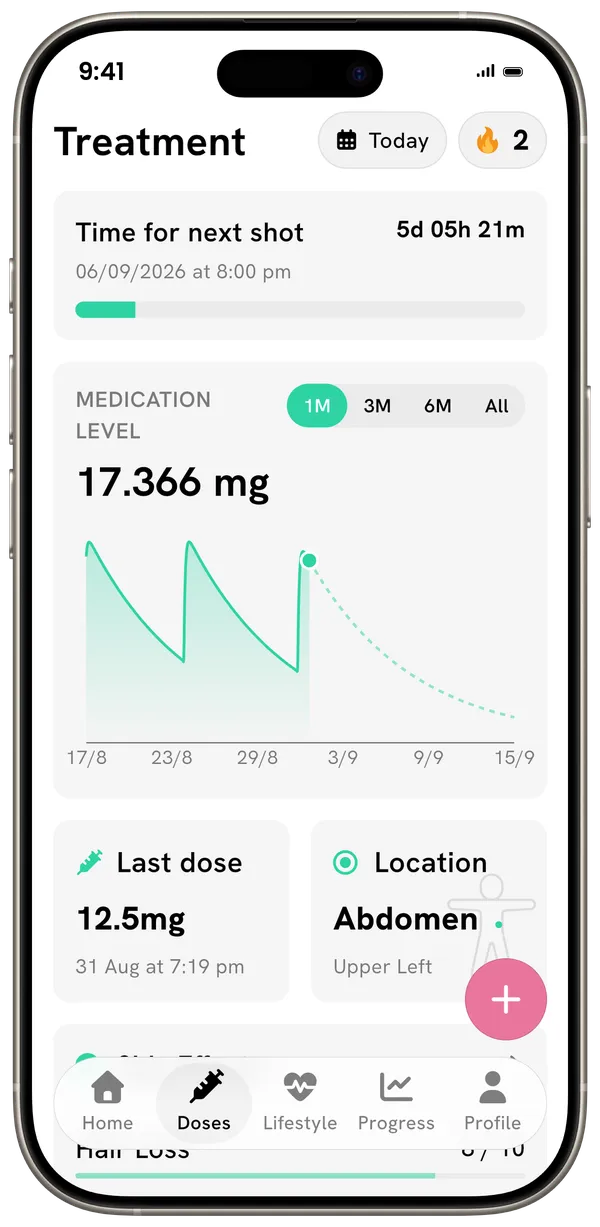
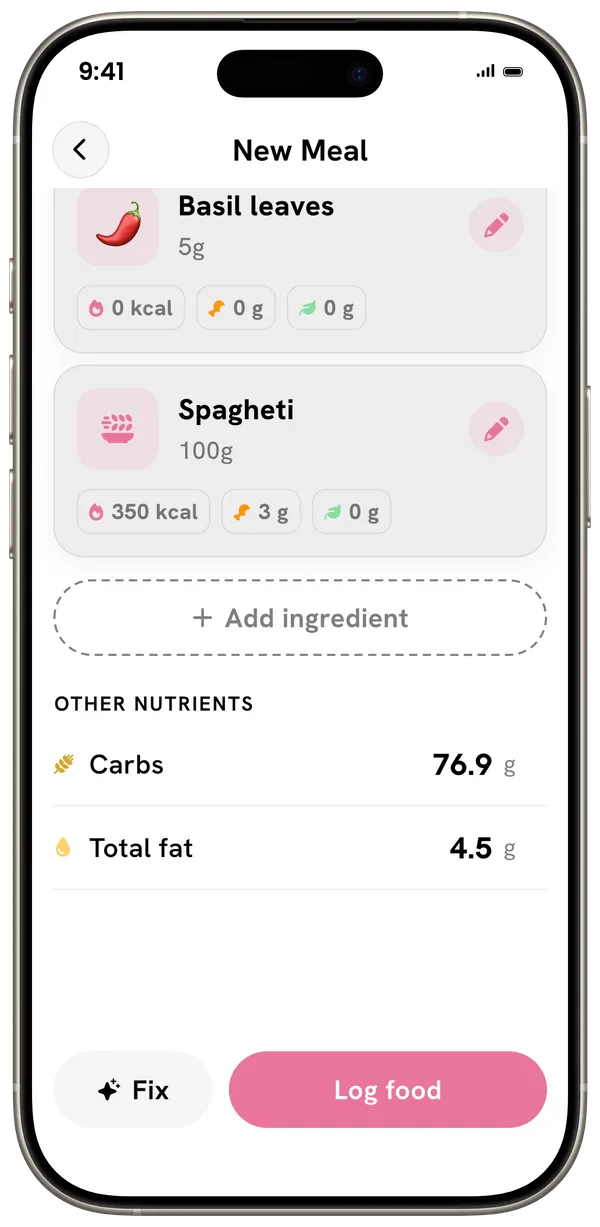
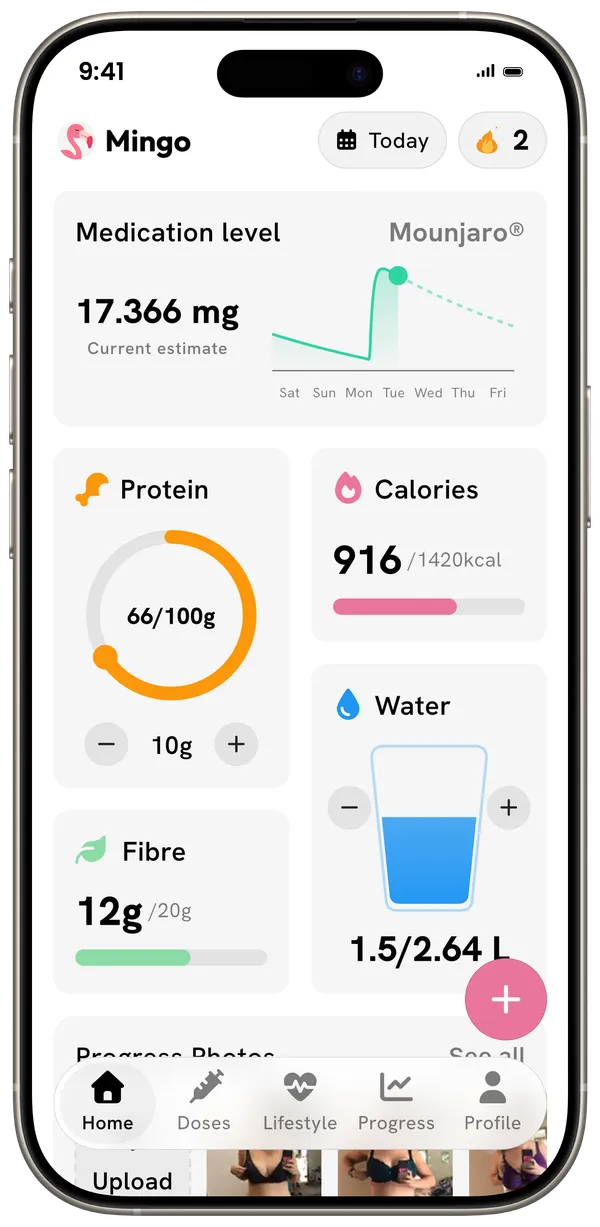
In the Mingo app this same calorie goal is set during onboarding from your sex, age, height, weight and activity. You log meals by photo, voice, text or barcode, and each day’s calories and protein show against the goal, next to your doses, side effects and weight.


